When you’re feeling unwell, knowing your exact body temperature is crucial for figuring out what’s going on and if you need to seek medical help. Many people have a meat thermometer in their kitchen drawer, and a question that pops up is: how to use a meat thermometer to take your temperature? The short answer is: you really shouldn’t.
Meat thermometers are designed for specific cooking purposes, not for the delicate and precise needs of human health monitoring. Using one for your temperature can lead to inaccurate readings and potentially spread harmful bacteria between food and your body. In our research, we found that while a meat thermometer might seem like a quick substitute in a pinch, its calibration and design make it unsuitable and unsafe for medical use.
As of 2026, official health guidelines consistently recommend using only FDA-cleared medical thermometers.
Quick Answer: Meat Thermometer vs. Medical Thermometer for Fever
Using a meat thermometer to take your temperature is not recommended. Meat thermometers measure food temperatures, often between 100°F and 200°F, which is far outside the normal human body range of 97°F to 99°F. They lack the precision and safety features of medical thermometers, risking inaccurate readings and cross-contamination.
The Critical Differences: Meat Thermometers and Your Health
It’s vital to understand why these two types of thermometers are so different. They might both measure heat, but their purpose, design, and accuracy standards are miles apart, especially when it comes to your well-being.
Probe Design and Accuracy
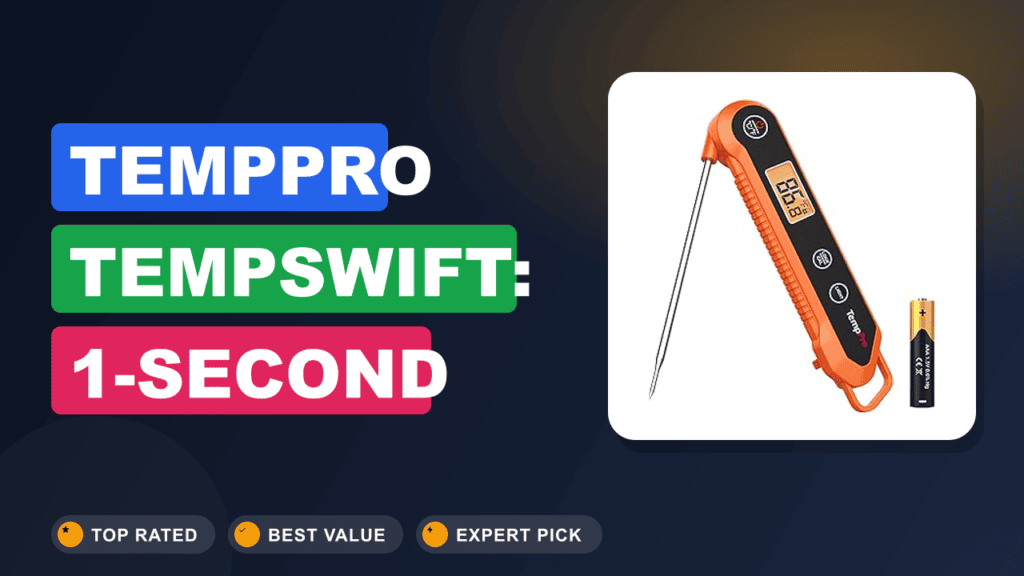
A meat thermometer’s probe is usually a long metal rod designed to penetrate dense food like roasts or poultry. Its job is to tell you if the food has reached a safe internal cooking temperature. For instance, manufacturer specifications for many digital meat thermometers indicate an accuracy of ±1.8°F (±1°C) at cooking temperatures.
This level of accuracy is perfectly fine for cooking, but it’s not sufficient for detecting subtle changes in human body temperature that could signal illness.
Calibration for Food vs. Humans
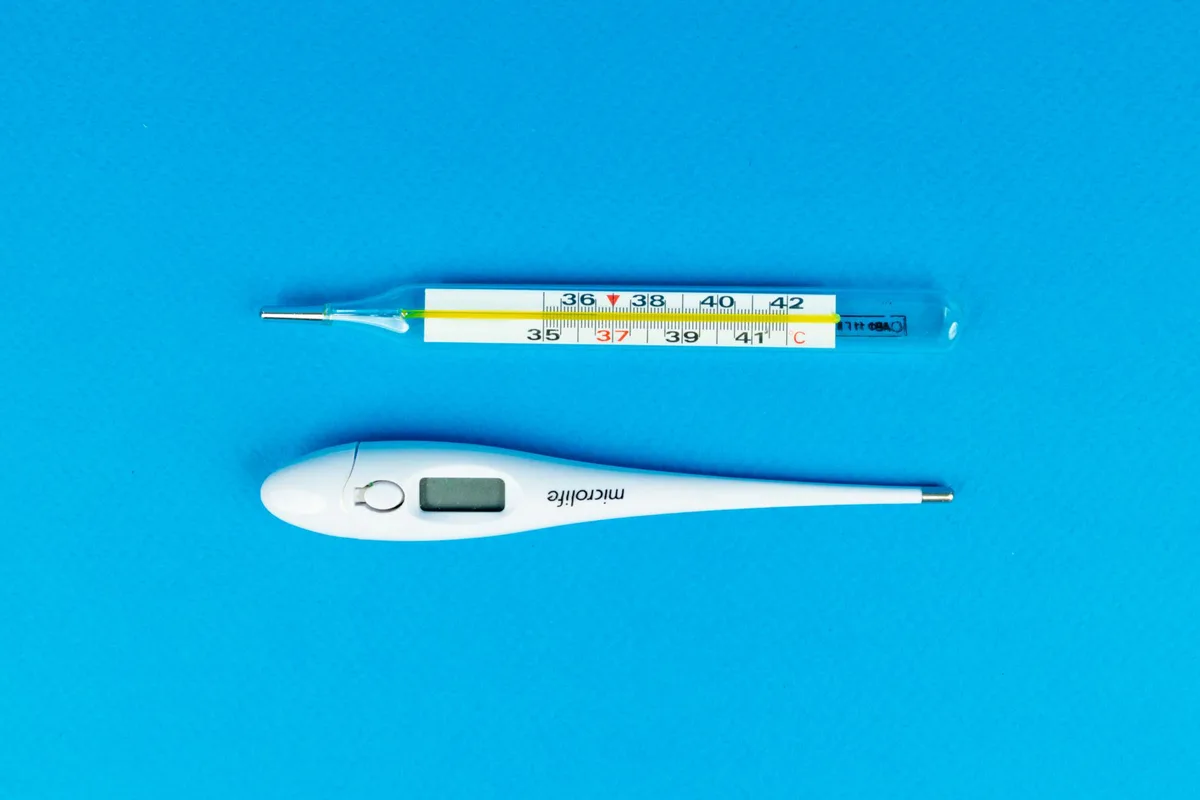
Medical thermometers, on the other hand, are specifically calibrated for the narrow range of human body temperatures, typically from 95°F to 107.6°F (35°C to 42°C). They have much finer increments and are designed to detect differences of a tenth of a degree, which is critical for identifying a fever. A meat thermometer’s scale simply doesn’t have this type of fine-tuning for human physiology.
They are built for a different job, measuring much higher temperatures where subtle variations have less impact on safety.
Response Time and Reading Reliability
Meat thermometers often take a few seconds, sometimes up to 10-15 seconds, to provide a stable reading in hot food. For taking a body temperature, especially orally, a medical thermometer is designed to give a quick, reliable reading within seconds to a minute, depending on the type. Relying on a slower meat thermometer could lead to an inaccurate reading if you remove it too soon, or if your body temperature changes during the longer measurement period.
The Real Risks: What Can Go Wrong?
Using a tool designed for raw steak to check if you have a fever isn’t just a bit off; it’s genuinely risky. The problems go beyond just getting a wrong number on a dial.
Inaccurate Fever Detection
The most significant risk is misinformation. A meat thermometer isn’t sensitive enough in the human body temperature range. You might think you have a mild fever when you don’t, or worse, you might have a significant fever and the meat thermometer shows a number that makes you think everything is fine.
This delay in recognizing a true fever can postpone necessary medical attention, which is dangerous for conditions like infections.
Cross-Contamination Concerns
This is a major hygiene issue. Meat thermometers come into contact with raw meats, which can carry bacteria like Salmonella or E. coli. If you use this same thermometer in your mouth, rectum, or under your arm without thorough, medical-grade sterilization (which is difficult to achieve at home for food-grade equipment), you can transfer these harmful pathogens from raw food to your body.
This can lead to serious foodborne illnesses.
Potential for Injury
Some methods of taking body temperature, like a rectal reading, require a flexible, smooth probe designed for comfort and safety in sensitive areas. A rigid, sharp-ended meat thermometer probe, whether digital or dial, is not designed for insertion into the body and could cause internal injury or discomfort.
When Might You Consider It? (And Why It’s Still Risky)
Let’s be clear: the ideal scenario is always to have a proper medical thermometer on hand. But we’ve all been through situations where what you need simply isn’t available.
Emergency Situations: Last Resort Only
In a genuine emergency where you have no other option to ascertain if someone has a critically high temperature and a medical thermometer is simply unavailable for days, you might feel you have to try something. This is a dire, last-resort situation for situations like being stranded in a remote location or during widespread emergencies. Even then, extreme caution and rigorous disinfection are paramount.
Understanding the Limitations
Even in such extreme circumstances, you must understand that any reading you get is likely unreliable. Because meat thermometers aren’t designed for human use, their readings won’t be precise. You might get a vaguely high number, but you won’t know the actual temperature or its significance.
The risk of cross-contamination, especially if using orally or rectally, remains extremely high. It’s a compromise that could introduce more problems than it solves.
How to Properly Take Your Temperature
When you’re feeling unwell, having a reliable way to check your temperature is key for making informed decisions about your health. This means using a tool specifically designed for the job: a medical thermometer.
Choosing the Right Tool (A Medical Thermometer)
For accurate and safe temperature readings, always opt for a digital medical thermometer. These are readily available at pharmacies and online. They are cleared by the FDA for human use, meaning they meet strict standards for accuracy and safety.
There are several types, including oral, rectal, and forehead thermometers, each offering different benefits depending on the user and situation. Always check for an FDA clearance mark on the packaging.
Safe and Accurate Measurement Methods
Once you have a proper medical thermometer, follow these guidelines for the most accurate readings. It’s important to use the thermometer correctly based on the method you choose.
Oral Temperature
This is a common and convenient method for adults and older children.
- Ensure the thermometer probe is clean.
- Place the tip of the thermometer under the tongue, as far back as comfortable.
- Close your lips gently around the thermometer to create a seal.
- Wait for the thermometer to beep, usually 10-60 seconds.
- Do not eat or drink anything for at least 15 minutes before taking an oral temperature.
Rectal Temperature
This method is generally considered the most accurate for infants and very young children.
- Clean the thermometer probe with soap and water or rubbing alcohol, then rinse. Apply a water-based lubricant to the tip.
- Gently insert the probe about 0.5 to 1 inch (1.3 to 2.5 cm) into the rectum. Do not force it.
- Hold the thermometer in place until it beeps.
- Clean the thermometer thoroughly after use.
Axillary (Underarm) Temperature
This method is safe and easy, but it’s typically less accurate than oral or rectal temperatures.
- Ensure the underarm is dry.
- Place the thermometer tip in the center of the armpit.
- Hold the arm snugly against the body to keep the thermometer in place.
- Wait for the thermometer to beep.
What to Do If You Suspect a Fever
Once you have a reading from a proper medical thermometer, you’ll want to know what it means. A normal body temperature typically hovers around 98.6°F (37°C), but it can vary slightly from person to person and throughout the day. Generally, a temperature above 100.4°F (38°C) is considered a fever, though some guidelines may use slightly different thresholds.
If your reading indicates a fever, it’s important to rest, stay hydrated, and monitor your symptoms. If you’re concerned or the fever is very high, it’s always best to contact a healthcare professional.
Mistakes to Avoid: When Using Inappropriate Tools
Making a mistake with temperature taking can have real consequences. It’s not just about getting a wrong number; it’s about potential health risks.
- Using the wrong device: The most common mistake is reaching for a meat thermometer when you need to check a fever. These devices are fundamentally different and not interchangeable for health monitoring. Prioritize a medical thermometer whenever possible.
- Believing a meat thermometer reading: If you’ve used a meat thermometer out of desperation, do not rely on the reading. Treat any indication of a fever with extreme caution and seek proper medical assessment as soon as you can.
When to Seek Professional Medical Help
Even with a proper medical thermometer, knowing when to call a doctor is crucial. Don’t hesitate if you have concerns about your health.
If you have a very high fever, typically over 103°F (39.4°C), or if your fever persists for more than a couple of days, it’s time to consult a healthcare provider. Also, seek medical advice if you experience severe symptoms like difficulty breathing, persistent vomiting, severe headache, or confusion, regardless of your temperature reading.
Essential Safety Practices for Home Health Monitoring
Maintaining good hygiene is paramount when monitoring your health at home. Always ensure your tools are clean and used correctly. This prevents the spread of germs and ensures accurate readings.
Regularly clean your medical thermometers according to the manufacturer’s instructions. This usually involves wiping them with soap and water or rubbing alcohol. Proper cleaning protects both your health and the device’s longevity.
Remember this rule: if in doubt, clean it again.
Frequently Asked Questions
Can I use a meat thermometer if I don’t have a medical one?
While you might be tempted to use a meat thermometer in an emergency, it’s strongly advised against. They lack the necessary accuracy for human body temperature and pose a significant risk of cross-contamination between food and your body. Always prioritize a medical-grade device for health checks.
How accurate are meat thermometers for cooking versus body temperature?
Meat thermometers are calibrated for cooking temperatures, which are much higher than human body temperatures. For example, they might be accurate to within ±1.8°F (±1°C) at 160°F to read poultry doneness. This precision is insufficient for the critical, narrow range of human body temperatures where detecting a fever requires much finer measurement.
What’s the best way to clean a medical thermometer?
For most digital medical thermometers, wipe the probe with a soft cloth dampened with rubbing alcohol or mild soap and water, then rinse with cool water and dry thoroughly. Always check the manufacturer’s instructions for specific cleaning recommendations, as some models may have unique care requirements.