A thermometer waterproof durability test checks how well a probe and its body handle water, steam, grease, and physical drops. Manufacturers run these tests to assign an IP rating or confirm a tool survives daily kitchen abuse. If you cook often, knowing what these ratings mean stops you from ruining a good tool on the first wash.
This article explains the standards behind water resistance, how drop testing works, and why some models fail faster than others. You'll also see which thermometer types hold up best in wet environments.
What Waterproof Ratings Actually Mean For Thermometers
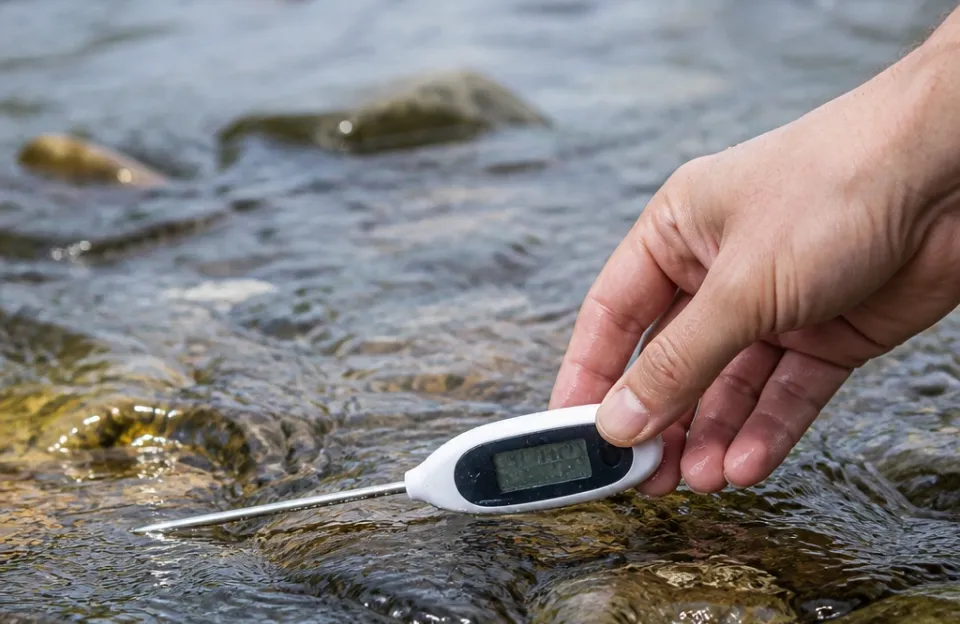
Water resistance is measured by an Ingress Protection code. The International Electrotechnic Commission sets these standards globally through IEC 60529. You will see it written as IP followed by two numbers.
The first number covers solid dust protection. The second number covers liquid.
For kitchen tools, that second digit matters most. An IPX5 rating means the device handles low-pressure water jets from any direction. You can rinse it under a tap.
An IPX7 rating means it survives being dunked in about three feet of water for half an hour. Most quality digital probes aim for IPX5 or higher.
Cheaper models skip this testing entirely. They might have a rubber gasket around the battery door, but no official certification. Washing one of those under running water usually shorts the circuit board within days.
When you look at a fast-reading digital model, check the packaging or manual for a specific IPX number before trusting it near the sink.
Why Steam Causes More Damage Than Liquid Water
Steam penetrates seals much easier than liquid water. The particles are smaller and carry heat. When you leave a probe resting on a pot lid or inside a closed smoker, hot vapor pushes past rubber O-rings.
Once inside the housing, it condenses back into liquid on the cooler circuit board.
This causes corrosion over time. A thermometer might survive fifty dishwashing cycles but die after ten heavy smoking sessions. High-end wireless units built for smokers use thicker silicone potting around their internal electronics to block this moisture.
If you frequently monitor long cooks, choosing a dual-probe setup with sealed transmitter ports prevents signal failure from steam buildup.
How Drop Testing Measures Kitchen Durability
Water isn't the only threat. Dropping a thermometer on tile floors happens constantly. Manufacturers test impact resistance by dropping devices from set heights onto concrete or steel plates.
A standard commercial test involves multiple drops from roughly four feet.
The weak points are always the screen, the battery door, and the hinge where a folding probe meets the body. Glass screens shatter. Plastic battery doors crack open, breaking the waterproof seal instantly.
Hinges snap if the plastic is too rigid.
Some brands wrap the entire housing in a thick rubber overmold. This absorbs shock and keeps the casing intact. Models designed for outdoor grilling tend to have heavier armor than delicate candy thermometers.
Even a sturdy rechargeable option needs a solid outer shell if it's going to bounce off patio pavers without losing calibration.
Probe Bending And Wire Fatigue Limits
Wired probes face constant stress. Every time you push a stiff probe through cold meat or bend the wire around an oven door, the internal copper strands flex. Over hundreds of uses, metal fatigue sets in.
The wire frays internally while the outside silicone looks fine.
Once a single strand breaks, the electrical resistance changes. Your readings start jumping wildly or drifting high. Braided stainless steel cables last longer than plain silicone wires because they resist kinking.
If your cable does fray, swapping it out with a replacement probe restores accuracy without buying a whole new base unit.
Comparing Build Quality Across Different Types
Different thermometer styles face different physical threats. Understanding these differences helps you pick the right tool for your specific cooking habits.
| Thermometer Type | Common Weak Point | Typical Water Rating | Best Environment |
|---|---|---|---|
| Instant-read folding | Probe hinge mechanism | IPX4 to IPX5 | Quick stovetop checks |
| Wireless leave-in | Transmitter box seals | IPX5 to IPX7 | Smokers, ovens, grills |
| Infrared laser gun | Battery compartment | IPX0 to IPX3 | Surface temp checks only |
| Analog dial | Glass lens fogging | None (wash probe only) | Deep frying, ovens |
Infrared guns rarely get wet ratings because you never stick them in food. You just point them. But splashing grease can still ruin the lens.
Analog dials don't have electronics to short out, yet water trapped under the glass ruins visibility. Digital instant-reads take the most abuse because they go in and out of liquids constantly.
When shopping for a leave-in wireless system, pay attention to how the manufacturer seals the charging port. Magnetic contacts are generally safer than exposed USB slots, which trap water easily.
Cleaning Methods That Destroy Seals
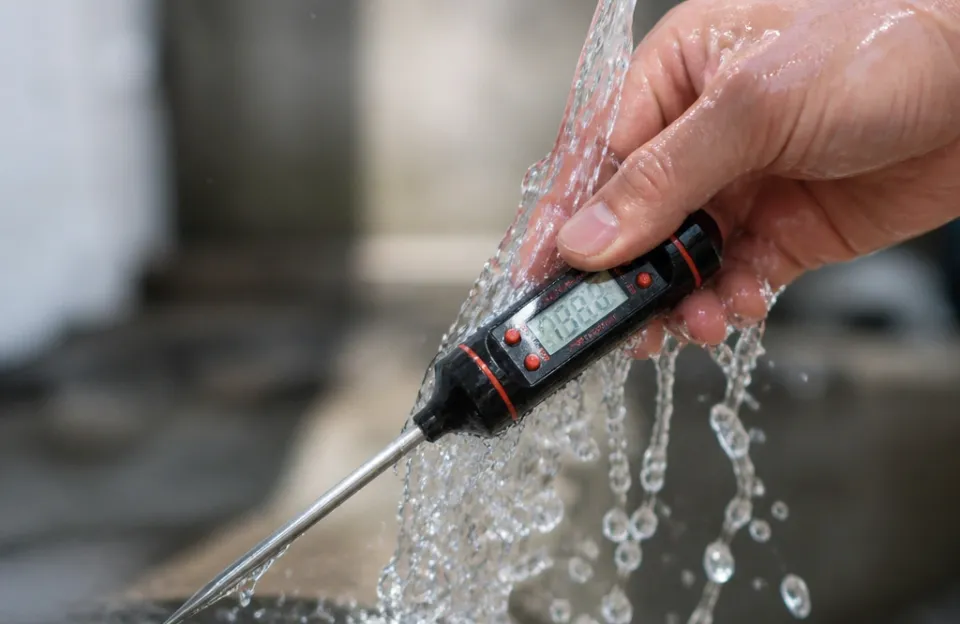
How you clean a thermometer determines its lifespan more than anything else. Dishwashers are brutal. The combination of scalding water, harsh detergents, and high-pressure spray strips away protective coatings and forces moisture past gaskets.
Even an IPX7 rated device shouldn't go in a dishwasher cycle. The detergent chemicals degrade the rubber seals faster than plain water ever would.
Hand washing with warm soapy water is the standard. Wipe down the main body with a damp cloth. Only submerge the probe itself unless the manufacturer explicitly states the whole unit is dunkable.
Drying matters too. Leaving a wet thermometer in a drawer promotes mold growth around the buttons and rust on exposed screws.
If you rely on a quick-response tool during fast-paced grilling, keep a dry towel nearby. Wiping the grip between reads prevents slippery hands from causing the very drop that cracks the screen.
When Water Resistance Fails Prematurely
Even certified waterproof thermometers eventually leak. Rubber gaskets dry out and shrink over time. Heat accelerates this aging process.
A thermometer left sitting on a hot grill grate bakes its seals until they turn brittle.
Battery changes also compromise the seal. Every time you pop the back panel off, you stretch or misalign the O-ring. If you don't seat it perfectly flat when closing the door, water finds the gap immediately.
Some manufacturers include spare O-rings in the box for this reason.
Another common failure point is thermal shock. Plunging a hot probe directly into ice water causes the metal and plastic parts to contract at different rates. This rapid shrinking pulls seams apart temporarily, sucking moisture inside.
Let the probe cool slightly before washing it. Following proper temperature ranges, like those outlined by the FDA food safety guidelines, protects both your food and your equipment from extreme swings.
Frequently asked questions
Can I put my meat thermometer in the dishwasher?
Most manufacturers advise against it. Dishwasher detergents break down rubber seals and waterproof gaskets quickly. The high heat warps plastic housings.
Hand wash the probe with warm soapy water and wipe the display body with a damp cloth instead.
What does an IPX7 rating mean for a kitchen thermometer?
An IPX7 rating means the device survives being submerged in about one meter of water for thirty minutes. For kitchen use, this means you can safely rinse it under the tap or accidentally drop it in a stockpot without destroying the electronics.
Why does my thermometer screen fog up inside?
Internal fog means the waterproof seal has failed. Moisture got inside the housing, turned to vapor near the hot components, and condensed on the cooler glass screen. Once this happens, the circuit board is actively corroding.
You usually need to replace the unit.
Do infrared thermometers need to be waterproof?
No. Infrared thermometers measure surface temperatures without touching food or liquids. They only need basic splash resistance to survive greasy kitchen environments.
Submerging an infrared gun will destroy it regardless of its build quality.
How long do waterproof seals last on digital probes?
With normal hand washing and careful storage, rubber gaskets typically last two to four years. Frequent exposure to extreme heat, harsh chemicals, or repeated battery changes shortens that lifespan significantly. Inspect the seals whenever you change batteries.
Before you buy your next probe
A thermometer waterproof durability test tells you exactly how much abuse a tool can take before failing. Look for clear IPX ratings rather than vague marketing terms like "splash proof." Check the hinge strength on folding models and inspect the cable thickness on wired ones. Rinse probes by hand, avoid the dishwasher, and let hot tools cool before washing.
Taking these small steps keeps your readings accurate and your gear working for years.