Knowing how long to cook bacon in the air fryer depends on three things: the thickness of the slices, your preferred level of crispiness, and how crowded your basket is. In most cases, you will achieve perfectly cooked, crispy bacon in an air fryer in 8 to 12 minutes at 375°F (190°C). Because air fryers act like powerful convection ovens, they circulate heat rapidly, which helps render the fat much more efficiently than a standard frying pan.
If you are aiming for chewy bacon with slightly crisp edges, 8 minutes is usually enough. For extra crispy, glass-like bacon, you might need to push the timer to 12 or 13 minutes. You don’t need to flip it halfway through if you have arranged the slices carefully, though checking it at the 8-minute mark is a smart move to prevent burning.
Why the air fryer changes the bacon game
Most people struggle with stove-top cooking because it leads to uneven heat, excessive smoke, and messy grease splatters that cover the stovetop. When you use an air fryer, you contain the grease within the basket, and the constant airflow ensures the fat renders evenly across every inch of the strip. The temperature remains stable, meaning you don't deal with the sudden flare-ups common with cast iron or stainless steel pans.
The science behind this involves how hot, dry air interacts with animal fat. According to resources from the USDA Food Safety and Inspection Service, maintaining consistent temperatures is critical for quality. In an air fryer, the rapid movement of heat evaporates moisture from the surface of the meat quickly, which triggers the browning process faster than pan-frying.
Since air fryers reach high temperatures within seconds, you start the rendering process immediately without waiting for a pan to preheat.
How to calculate your cooking time
Determining exactly how long bacon goes in the air fryer involves adjusting your timer based on the specific cut you bought. Not all bacon is created equal, and a thin-cut piece will naturally lose its moisture faster than a thick-cut, butcher-style slice.
| Bacon Thickness | Recommended Temp | Estimated Time | Result |
|---|---|---|---|
| Thin Cut | 375°F (190°C) | 7–9 Minutes | Very crispy, lighter texture |
| Standard Cut | 375°F (190°C) | 9–11 Minutes | Balanced crisp and chew |
| Thick Cut | 375°F (190°C) | 12–15 Minutes | Deeply rendered, meaty chew |
If you are cooking a large batch, you might find that the air fryer takes slightly longer than the times listed above. This is because every slice of bacon you add to the basket absorbs some of the heat energy, lowering the ambient temperature inside the chamber. If you pack the basket too tightly, the air can't circulate between the strips, which leads to steamed, soggy bacon rather than crispy, fried bacon.
Preparing the basket for consistent results
You should start by laying your bacon strips flat in the basket. It is fine if the edges overlap slightly because the bacon will shrink as it cooks, but try to avoid stacking them in a thick pile. If you have a rack accessory, you can use it to elevate the bacon; this allows the grease to drip away from the meat, resulting in a cleaner flavor and even more crunch.
Some people choose to lay a piece of parchment paper or aluminum foil at the bottom of the air fryer to make cleanup easier. If you do this, make sure the paper or foil is held down by the weight of the bacon. If it is loose, the powerful fan inside the air fryer will blow the paper around, potentially causing it to hit the heating element and creating a fire hazard.
Always ensure your bacon is heavy enough to keep the liner in place during the entire cooking cycle.
Managing the grease safely
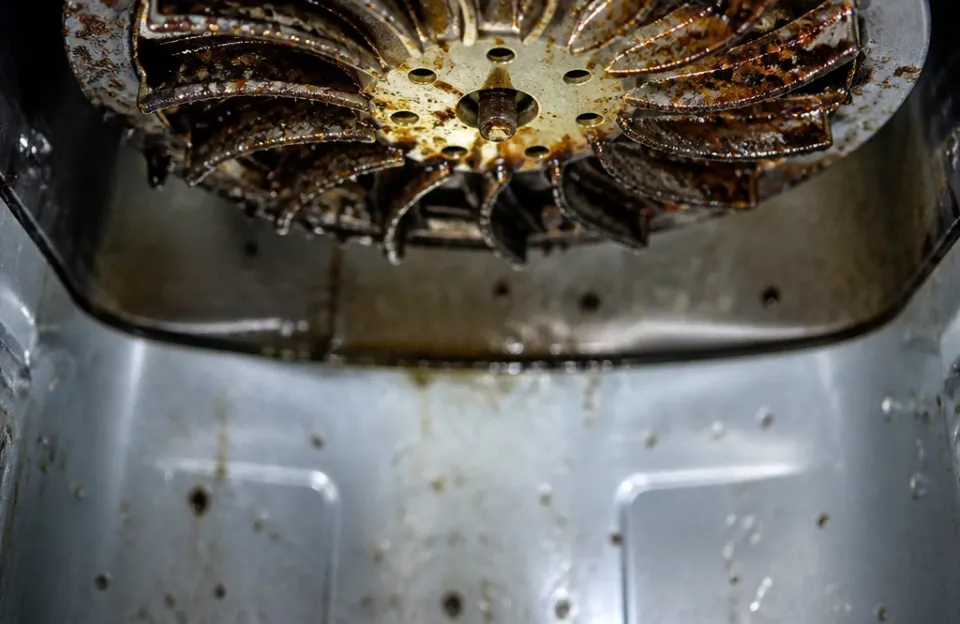
One of the most important things to keep in mind is the grease collection. When you cook a full package of bacon, a significant amount of rendered fat will pool at the bottom of your air fryer basket. This is normal, but it can cause smoking if the bacon is cooking for a longer duration.
If you notice smoke coming from the unit, it usually means the fat is reaching its smoke point or touching the heating element. To fix this, you can add a tablespoon of water to the bottom of the basket, beneath the tray. This prevents the grease from heating up too rapidly and helps minimize the smoke produced during the cooking process.
Always handle the basket with care after the timer dings, as the grease will be extremely hot and can spill easily.
Factors that influence cooking speed
Several variables beyond the timer can dictate when your bacon is finished. Understanding these will help you stop guessing and start getting perfect results every time you use the appliance.
- Initial temperature of the meat: Bacon taken straight from the refrigerator will take about a minute or two longer to cook than bacon that has sat on the counter for ten minutes. The cold temperature absorbs more of the initial heat.
- Air fryer wattage: Larger, higher-wattage air fryers tend to heat the air more aggressively. If you have an extra-large model, start checking your bacon a minute earlier than the recipe suggests.
- Sugar content: If you are using maple-cured or honey-glazed bacon, the sugar will caramelize and burn much faster than standard salt-cured bacon. You should monitor these types closely, as they often finish in 7 to 8 minutes regardless of thickness.
- Preheating habits: While most air fryers don't strictly require preheating, running the machine for three minutes before adding your food ensures a more consistent "start" time. If you don't preheat, add two minutes to the total estimated cooking time.
Troubleshooting common bacon mistakes
Even with the right timing, things can go wrong. If you find your bacon is unevenly cooked, it is almost always due to overcrowding. The air fryer needs space to move heat around; if that space is filled with overlapping meat, the middle parts of the slices remain soft while the edges burn.
Simply use fewer strips next time to improve the airflow.
If the bacon is too limp, you likely pulled it out too early or the temperature was set too low. Remember that bacon continues to crisp up for about 30 to 60 seconds after you pull it out of the air fryer due to residual heat. If it looks "almost" done, it is probably exactly where it needs to be.
Avoid the urge to keep adding time, as bacon can go from perfectly golden to charred in less than a minute.
If you find that the bacon is too salty or intense, try blotting the excess grease with a paper towel immediately after removing it from the basket. The layer of grease on the surface often concentrates the salt flavor. Removing that fat layer can make the bacon feel lighter and more balanced on the palate.
How to determine your preferred doneness
Since personal preference plays a huge role in how long bacon goes in the air fryer, the best approach is to develop your own "doneness" test. Take a piece out at 8 minutes and let it cool for 30 seconds. If it bends without snapping, it is chewy.
If it shatters or snaps, it is crispy.
Most people find their "sweet spot" within a 2-minute window. By logging how long you cooked your last batch and how it turned out, you can dial in the exact timing for your specific air fryer model. Once you find that number, stick with it, as your air fryer will consistently provide the same results at the same temperature and load.
Handling leftover bacon
If you cook more than you eat, air-fried bacon stores surprisingly well. Let the bacon cool completely on a wire rack, this prevents it from becoming soggy due to trapped steam, and then transfer it to an airtight container. It will stay good in the refrigerator for up to three days.
To reheat, put it back in the air fryer for 60 to 90 seconds at 350°F (175°C). Avoid the microwave if you want to keep the texture, as microwaving will turn the crispy fat back into a soft, chewy texture and often makes the meat rubbery. The air fryer is the only way to revive that fresh-cooked crunch.
Frequently asked questions
Does bacon go in the air fryer at a specific temperature?
Yes, 375°F (190°C) is the industry standard for most air-fried bacon. This temperature is high enough to render the fat and crisp the meat without causing excessive smoking or immediate charring. You can drop it to 350°F if you have a very powerful machine that tends to burn things, but 375°F is the sweet spot for the majority of home air fryers.
Is it necessary to flip the bacon halfway through?
For most air fryer models, flipping is not strictly necessary. Because the air circulates around the entire basket, the heat hits both sides of the strip effectively. However, if your specific air fryer has a weaker bottom heating element, flipping the slices once at the 6-minute mark can ensure a more uniform color across both sides.
Can I put frozen bacon directly in the air fryer?
You can, but it is not ideal for the best texture. If you must cook it from frozen, you will need to add about 3 to 5 minutes to the cooking time and start at a lower temperature (around 300°F) to thaw it out before turning the heat up to 375°F. It is much better to thaw the bacon in the refrigerator overnight so the strips can separate easily before they hit the heat.
Why does my air fryer smoke when I cook bacon?
Smoke usually happens because grease is pooling at the bottom of the air fryer and hitting the heating element or burning against the hot metal. You can resolve this by adding a small amount of water to the base of the unit, which prevents the grease from reaching its smoke point. Alternatively, ensure you are not using an excess of high-sugar glazes that burn at lower temperatures.
Is air frying bacon healthier than pan-frying?
Air frying is often considered a "cleaner" way to cook bacon because a significant portion of the rendered fat drips through the basket into the collection tray rather than staying in the pan for the meat to soak in. While it is still bacon, you are consuming less of the rendered grease compared to traditional frying methods where the meat sits in its own rendered fat during the entire cooking process.
Final considerations for perfect bacon
When choosing how long to cook your bacon, always err on the side of caution. You can always add an extra minute to the timer, but you cannot fix bacon that has turned into carbon. Start with 8 minutes for thin cuts and 12 minutes for thick ones.
Use a pair of tongs to check the texture frequently as you approach the end of the cycle.
Consistency is your best friend when mastering this technique. By using the same brand of bacon, the same temperature setting, and ensuring your basket isn't overcrowded, you remove the variables that lead to kitchen mishaps. Once you master the timing for your specific appliance, you will likely find that you rarely, if ever, go back to using a frying pan for your morning breakfast preparations.
The ease of cleanup alone makes the air fryer the definitive way to handle bacon in a modern kitchen.


3 thoughts on “How Long to Cook Bacon in the Air Fryer for Perfect Crisp”