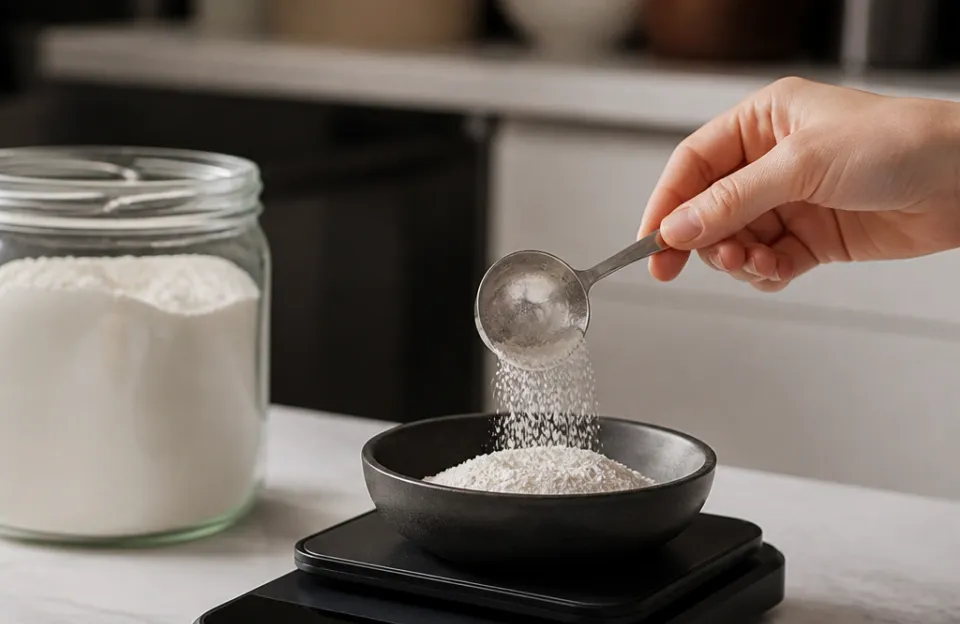
You should weigh food before cooking. Raw weight gives you the most accurate numbers for calories, macros, and portion sizes because heat changes how much water a food holds. When you cook meat, vegetables, or grains, they lose or absorb moisture, which shifts the total weight without changing the actual nutrient content.
If you're asking "should you weigh food before or after cooking?" because your meal prep containers never match the nutrition labels, this is the fix. Tracking raw weight removes the guesswork. This article covers why the scale reading changes in the pan, how to handle foods that expand, what tracking apps expect, and when weighing cooked food makes sense anyway.
Why the scale reading changes when heat hits the pan
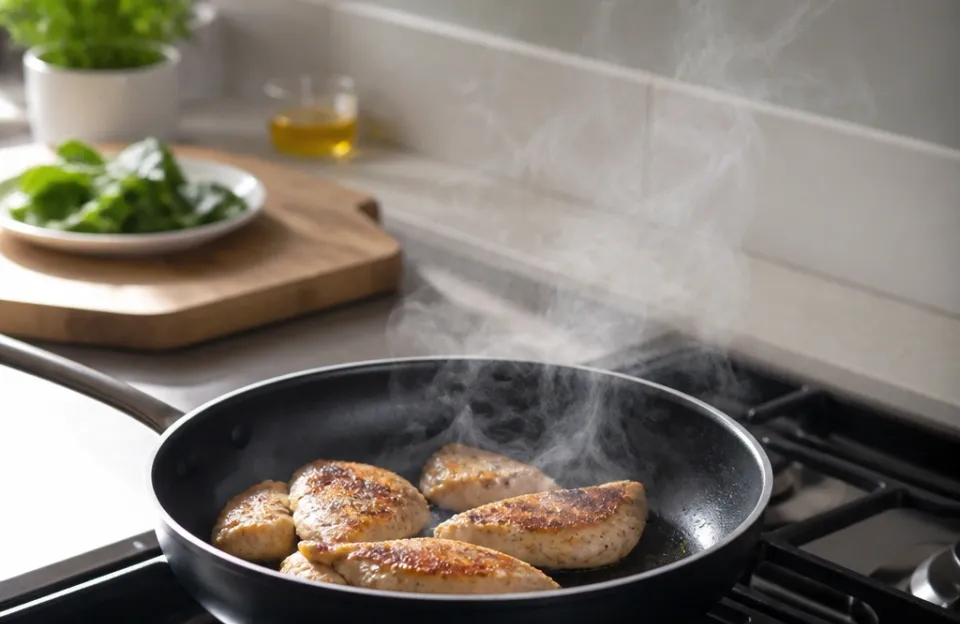
Water drives almost every weight change during cooking. A raw chicken breast is roughly 65% to 75% water. When you apply heat, proteins contract and squeeze that moisture out.
The liquid either evaporates into the air or pools at the bottom of the skillet. The USDA FoodData Central database lists standard nutritional values based on these raw states for most whole ingredients, which is why starting there keeps your math aligned with official data. You can check baseline figures through the USDA food database to see exactly how they categorize raw versus prepared items.
A 200-gram raw chicken breast might drop to 150 grams after grilling. That missing 50 grams is mostly water. The protein, fat, and calorie counts stay almost identical.
If you log 150 grams of cooked chicken using a raw chicken entry in your app, you'll undercount your intake by about 25%. Over a week of meal prep, that gap adds up fast.
The same rule applies to vegetables. Broccoli, zucchini, and spinach release water when roasted or sauteed. Spinach shrinks dramatically.
A massive pile of raw leaves cooks down to a few tablespoons. The iron, fiber, and vitamins don't vanish. They just occupy less space and weigh less because the water is gone.
Some foods do the opposite. Rice, oats, and dried beans absorb water. One cup of dry brown rice weighs around 185 grams.
After boiling, it absorbs water and weighs over 400 grams. The calories come from the dry grain. The extra weight is just tap water.
Logging the cooked weight against a dry entry will double your calculated calories by mistake.
| Food type | Typical weight change | Primary cause | Calorie shift |
|---|---|---|---|
| Chicken breast | Loses 20% to 30% | Moisture evaporation | None |
| Ground beef (80/20) | Loses 25% to 35% | Fat rendering, water loss | Slight fat loss if drained |
| White rice | Gains 150% to 200% | Water absorption | None |
| Spinach | Loses 80% to 90% | Cell wall collapse, water loss | None |
| Dried pasta | Gains 100% to 120% | Starch hydration | None |
Should you weigh food before or after cooking for strict macro counting?
For strict macro counting, always weigh food before cooking. Bodybuilders, athletes, and anyone following a precise diet plan need exact numbers. Cooking introduces too many variables to trust the final weight.
How hot was the pan? How long did it stay in the oven? Did you use high heat or low heat?
Every choice alters the final moisture content. Two people can bake the same potato at different temperatures and get two different weights. The starch and caloric value remain constant regardless of the oven dial.
Tracking apps like MyFitnessPal or Cronometer usually default to raw entries unless the label specifically says "cooked." When you search for "salmon fillet," the top result is almost always the raw profile. Weighing your salmon before it hits the cedar plank guarantees you are logging the right amount.
This matters even more with mixed dishes. If you make a stir fry, weigh the raw vegetables and raw meat separately before tossing them in the wok. Once they mix with oil and sauces, separating the components on a scale becomes impossible.
Getting an accurate read on pork internal temperature requires pulling the meat from the heat at the right moment, but pulling it early versus late also changes the final weight on the scale.
Fat loss is another factor. When you cook 80/20 ground beef, a lot of fat renders out into the pan. If you drain the grease, the cooked meat has fewer calories than the raw weight suggests.
But if you leave the meat sitting in its own fat, those calories stay in the dish. Weighing raw gives you a baseline. You then have to decide whether to account for the drained fat manually.
Most people find it easier to buy leaner raw meat than to calculate rendered fat after cooking.
Foods that gain weight in the pot
Grains and legumes flip the standard advice on its head. You still weigh them before cooking, but understanding why they get heavier stops a lot of tracking panic.
Dry oats soak up milk or water. Dry pasta swells in boiling water. Lentils triple in size.
The nutrients are locked inside the dry structure. Water just fills the gaps between the starch molecules.
If a recipe calls for 200 grams of cooked quinoa, you need to work backward. Figure out how much dry quinoa yields 200 grams cooked. Usually, it's about one-third of the cooked weight.
So you'd measure out roughly 65 to 70 grams of dry quinoa. Log those 70 grams in your app.
Baked goods follow a similar logic, though with more chemistry involved. Flour, sugar, butter, and eggs go into a bowl. Heat causes moisture to evaporate while the structure sets.
A loaf of bread weighs less than the sum of its raw ingredients. Tracking baking ingredients individually before mixing is the only reliable method. Trying to weigh a slice of homemade bread and match it to a generic app entry rarely works because hydration levels vary wildly between bakers.
When dealing with expanding foods, keeping your kitchen tools organized helps. You don't want to be searching for measuring cups while water boils over. Proper storage solutions, much like planning durable flooring under heavy appliances, keep your workflow smooth when you're juggling scales, bowls, and pots simultaneously.
When weighing cooked food makes more sense
There are times when weighing food after cooking is the better option. Knowing these exceptions prevents rigid rules from ruining your routine.
Restaurant meals and takeout are the biggest example. You didn't buy the raw ingredients. You can't step behind the counter to weigh the chicken before the chef sears it.
In this case, weigh what ends up on your plate. Search your tracking app for a "cooked" or "restaurant style" entry. These profiles already account for average moisture loss and added cooking oils.
Pre-cooked packaged foods fall into the same category. Deli turkey, canned beans, rotisserie chickens, and frozen grilled vegetables are sold ready to eat. The nutrition label on the package refers to the weight of the product as it sits inside the plastic.
If the label says a serving is 56 grams, put your scale on zero, add the deli meat until it reads 56 grams, and log it. Don't try to reverse-engineer the raw weight of sliced ham.
Leftovers present another scenario. If you batch-cook a large pot of chili on Sunday, you probably weighed the raw beef, onions, and tomatoes before simmering. By Wednesday, you're scooping portions out of the fridge.
Weigh the cooked portion you're about to eat. Then divide the total raw calories of the entire batch by the number of cooked portions you managed to scoop out. It takes basic math, but it bridges the gap between raw prep and cooked consumption.
Sometimes you just need to verify heat penetration alongside mass. Using a fast digital probe tells you when a thick steak finishes cooking, but placing that finished steak on a food scale tells you exactly how much moisture it surrendered to the grill. Both numbers matter for different reasons.
How cooking methods shift the numbers
The way you apply heat determines how much weight a food loses or gains. Boiling, roasting, frying, and steaming all produce different results on the scale.
Boiling submerges food completely. Vegetables absorb some water, while meats leach flavor and fat into the broth. If you boil potatoes and drain them, they weigh slightly more than raw due to surface moisture and minor absorption.
If you boil a brisket for hours, it loses significant fat to the water.
Roasting uses dry, ambient heat. This is the harshest method for moisture loss. Root vegetables caramelize and shrink.
Meats form a crust while their interiors expel juices. A roasted sweet potato weighs noticeably less than a raw one of the same size. Because the water evaporates rather than draining away, the sugars concentrate, making roasted vegetables taste sweeter even though the total carbohydrate count hasn't changed.
Frying introduces outside fat. Deep frying a piece of fish adds calories from the oil that penetrates the batter. Pan-frying with a tablespoon of olive oil coats the food.
If you weigh a raw pork chop, log it, and then fry it in oil, you must log the oil separately. The pork chop's raw weight doesn't account for the fat clinging to its surface after cooking. A reliable wireless setup lets you monitor thick cuts in hot oil without constantly opening the lid and altering the cooking environment.
Steaming is the gentlest method. It cooks food using vapor without submerging it. Vegetables retain most of their original weight and water-soluble vitamins.
Meats lose less moisture compared to roasting. If you want your cooked weight to stay as close to your raw weight as possible, steam it.
Air frying mimics deep frying with rapid hot air. It dries out the exterior quickly to create crunch. Expect weight loss similar to roasting, sometimes slightly higher because the fan circulates the dry air aggressively.
Understanding these differences helps you troubleshoot. If your food diary shows you eating 2,000 calories but the scale isn't moving, check your cooking methods. Frying everything in unmeasured oil hides hundreds of calories that raw weight tracking alone won't catch.
Keeping your equipment clean also plays a role here; knowing how to clear baked-on grease from your countertop oven means you aren't accidentally adding yesterday's burnt oil residue to today's meal weight.
Handling oils, marinades, and sauces
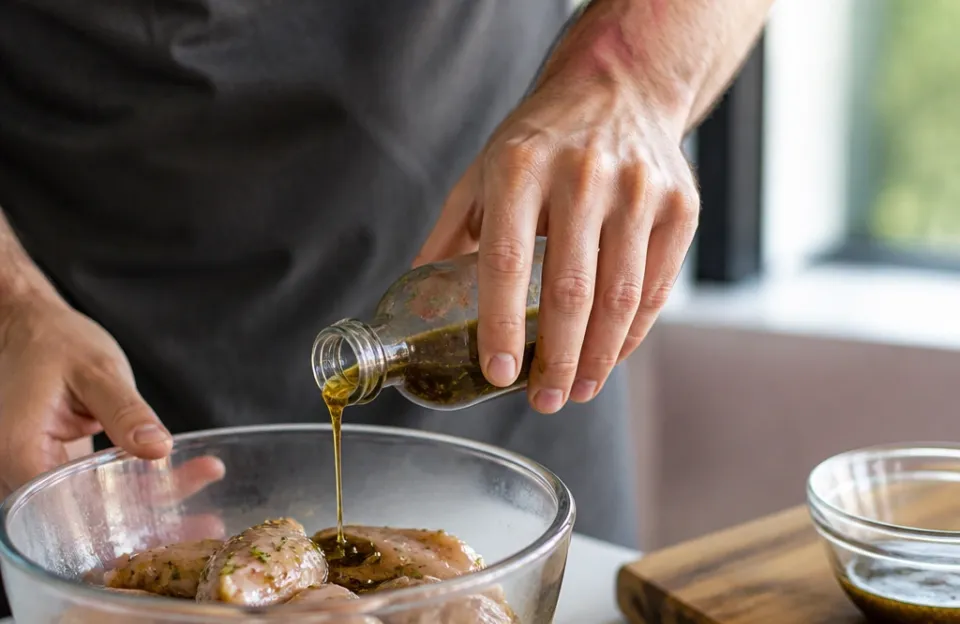
Weighing solid food is straightforward. Liquids complicate things because they transfer between bowls, pans, and plates.
Cooking oil is the most common tracking error. One tablespoon of olive oil contains about 120 calories and 14 grams of fat. If you pour oil directly from the bottle into a hot skillet, you have no idea how much you used.
Place your oil bottle on the scale, tare it to zero, pour what you need, and check the negative number. Or weigh the empty pan, add oil, and weigh again. Log that exact amount.
Marinades sit on raw meat for hours. Some of the sodium and sugar absorbs into the muscle fibers. Most of the liquid stays in the bag or gets thrown away.
If you use a sugary teriyaki marinade, estimate that about 10% to 20% of the marinade actually sticks to the meat. Weigh the marinade before adding the meat, then weigh the leftover liquid after removing the meat. The difference is what you consumed.
Log that fraction.
Sauces added after cooking, like gravy on mashed potatoes or dressing on a salad, should be weighed separately in a small bowl. Pouring sauce directly over plated food makes it impossible to isolate the weight of the chicken from the weight of the ranch dressing.
Spices and dry rubs weigh almost nothing. A heavy coating of salt, pepper, garlic powder, and paprika might add two or three grams to a steak. For general health tracking, you can ignore spice weight.
If you are prepping for a bodybuilding show where every gram of sodium matters, weigh the spices in a small dish before applying them.
Practical steps for daily raw food tracking
Building a habit around weighing food before cooking requires a specific workflow. If it slows down dinner prep too much, you'll abandon it within a week.
- Turn on your kitchen scale and place your empty prep bowl or cutting board on it. Press the tare button so the display reads zero.
- Add your raw ingredient. Read the weight in grams. Grams are far more precise than ounces for small portions.
- Open your tracking app immediately. Search for the raw version of the food. Enter the gram weight. Do this before you start chopping so you don't forget the number while managing a hot stove.
- Move the food to the pan. If you need to weigh a second ingredient, place a new bowl on the scale or wipe the board and tare it back to zero.
- Cook the food using your preferred method. Monitor temperatures closely. Having a solid dual-probe tool handy ensures you pull proteins off the heat safely without guessing.
- Eat your meal knowing the macros logged in your app match the physical food you consumed, regardless of how much it shrank in the oven.
Keep the scale visible. If you hide it in a drawer, you won't use it. Leave it on the counter next to your cutting board.
Make sure the batteries are fresh. A flickering display leads to misread numbers.
Batch prepping speeds this up. Weigh five days of raw chicken breasts on Sunday afternoon. Log them all at once.
Store them in individual bags. During the busy workweek, you just grab a bag and cook. The math is already done.
Mistakes that ruin your food diary numbers
Even with a good scale, a few bad habits can throw off your tracking entirely.
Logging cooked weight under a raw database entry is the most frequent error. As covered earlier, this drastically undercounts calories for shrinking foods and overcounts for expanding foods. Always match the state of the food on the scale to the state of the food in the app.
Forgetting to tare the scale leads to weighing the plate along with the food. A standard ceramic dinner plate weighs between 300 and 500 grams. If you forget to zero out the scale, you might think you're eating a 600-gram portion of rice when half that weight is porcelain.
Ignoring bone weight skews meat tracking. A raw bone-in ribeye weighs significantly more than a boneless one. The bone contains no digestible calories for your tracking purposes.
If you buy bone-in cuts, weigh the whole thing raw, cook it, remove the bone, and estimate the meat-to-bone ratio. Alternatively, buy boneless cuts to eliminate the variable entirely.
Relying on volume measurements instead of weight causes issues. One cup of raw spinach loosely packed weighs very little. One cup of raw spinach tightly crammed into the measuring cup weighs three times as much.
Volume is subjective. Weight is objective. This is why a digital scale beats measuring cups for anything other than liquids.
Assuming all cuts of meat behave identically is another trap. A fatty pork belly loses weight differently than a lean pork loin. Fat renders out; water evaporates.
The ratios change the final cooked weight. Treat each cut as its own variable.
Finally, failing to account for shared ingredients in family meals creates confusion. If you cook a large casserole for four people, weigh all raw ingredients going into the dish. Calculate the total calories.
Divide by four. Don't try to weigh your single scoop of casserole and match it to a generic app entry.
Frequently asked questions
Does meat lose protein when it shrinks in the pan?
Meat does not lose protein when it cooks. The weight it loses is almost entirely water and rendered fat. The amino acid structure remains intact.
A 200-gram raw chicken breast with 46 grams of protein will still contain roughly 46 grams of protein after grilling, even if it now weighs 150 grams. The protein simply becomes more concentrated per gram of cooked weight.
Can I just use the cooked entry in my calorie app?
You can use the cooked entry if you actually weighed the food after cooking. If you weighed the food raw but selected the cooked database entry, your numbers will be wrong. The key is matching the physical state of the food on your scale to the specific entry in your nutrition database.
Never mix raw weights with cooked entries.
Do I need to weigh frozen vegetables before cooking?
Yes, weigh frozen vegetables straight from the bag before heating them. Frozen vegetables often contain ice crystals that melt during cooking, causing water loss similar to fresh vegetables. If you thaw them first and drain the water, you lose track of the original mass.
Weighing them frozen provides a consistent baseline that matches most nutrition labels on the packaging.
What happens if I weigh pasta after boiling it?
If you weigh pasta after boiling it, you are mostly weighing absorbed water. Pasta typically doubles in weight during cooking. If you log 200 grams of boiled pasta using a dry pasta database entry, you will record twice as many calories as you actually consumed.
Always weigh dry pasta before dropping it into the water.
Is it okay to estimate instead of weighing every single meal?
Estimating is fine for maintenance phases or casual health goals. However, if your goal requires precision, such as preparing for a competition or managing a medical condition, estimating fails because human eyes are notoriously bad at judging portion sizes. Weighing food before cooking removes visual bias and anchors your tracking in hard data.
Does the cooking temperature affect the final weight?
Higher temperatures cause faster and more extreme moisture evaporation. Searing a steak over high heat drives out surface moisture rapidly, while slow-roasting at a low temperature allows moisture to escape gradually. The final weight might differ slightly between the two methods, but the raw caloric content remains unchanged.
This variability is exactly why raw weight is the superior tracking metric.
The takeaway on raw versus cooked weight
Deciding whether to weigh food before or after cooking comes down to what you need from your food diary. If you need accuracy, weigh it raw. Heat moves water around.
It doesn't change the fundamental macronutrient structure of a carrot or a steak. By capturing the weight before the pan gets hot, you lock in the true nutritional value. Save the post-cooking weigh-ins for restaurant leftovers, pre-packaged meals, and situations where you simply lack access to the raw ingredients.
Keep your scale on the counter, tare it properly, and let the raw numbers do the heavy lifting.