Cooking marinated chicken breast in an air fryer is a reliable way to get juicy meat with a slightly crisp exterior in about 15 to 20 minutes. The exact time depends on the thickness of the chicken, but you are generally looking at 380°F to 400°F to ensure it cooks through without drying out. Because chicken breasts can vary in size and marinating adds moisture that needs to evaporate for the surface to brown, managing your heat and timing is the difference between rubbery meat and a perfect weeknight dinner.
Why the air fryer changes your cooking approach
When you cook chicken breast in an oven, you rely on ambient heat to slowly penetrate the meat. An air fryer works differently by blasting high-speed hot air around the food. This creates a powerful convection effect that cooks the exterior much faster than a standard oven.
Marinated chicken requires a little more attention than dry-rubbed chicken because the sugar or acid in your marinade can burn if you aren't careful. While the air fryer is excellent at creating a nice sear, you have to balance that speed with the internal temperature needs of the meat. Since chicken breast has very little fat, it doesn't take much to overcook it.
Once the internal temperature hits 165°F, it is done. Any extra time after that, even in an air fryer, will start to pull moisture out of the fibers.
Understanding the relationship between thickness and time
Not all chicken breasts are the same. A thin, pounded-out breast might be ready in 12 minutes, while a thick, uncut breast could take up to 20 minutes. If you are cooking a large batch, you will notice the cooking time increases slightly because the airflow is restricted.
To get the best results, try to keep your chicken pieces as uniform as possible. If one end of the breast is significantly thicker than the other, use a meat mallet to flatten the thick part. This ensures the entire piece reaches the safe temperature of 165°F at the same time.
According to guidelines from the United States Department of Agriculture, chicken must reach this internal temperature to be safe for consumption. Do not rely solely on the clock; use an instant-read thermometer to check the thickest part of the meat before you pull it out.
Setting the right temperature
Most air fryer recipes for chicken breast suggest a temperature between 375°F and 400°F. If you want a quick sear and don't mind a slightly darker exterior, 400°F is your best bet. If your marinade has a high sugar content, such as honey, teriyaki, or balsamic glazes, it will char quickly.
In that case, drop the heat to 375°F to ensure the inside cooks before the outside turns into carbon.
Preheating the air fryer for three to five minutes before adding the chicken helps the cooking process start immediately. If you place the chicken into a cold basket, the marinade will just seep into the bottom and steam the chicken, resulting in a pale, soggy crust rather than the desired golden finish.
| Thickness of Chicken | Temperature | Estimated Cook Time |
|---|---|---|
| Thin (pounded) | 400°F | 10–12 minutes |
| Medium (standard) | 380°F | 14–16 minutes |
| Thick (full breast) | 375°F | 18–20 minutes |
Preparing your chicken for the basket
Before you place the marinated chicken into the air fryer, take a moment to prep it properly. You do not want the chicken soaking wet. If you pull it directly from a bowl of marinade and drop it into the fryer, the liquid will pool in the bottom, smoke, and create steam.
Instead, lift the chicken from the marinade and let the excess liquid drip off for a few seconds. If you want a better texture, you can even pat the surface of the chicken very lightly with a paper towel. This doesn't remove the flavor that has already penetrated the meat, but it removes the surface moisture that prevents browning.
Arrange the chicken in a single layer in the basket. If you stack them, the middle will stay raw while the tops burn.
The process of air frying the chicken
Once your chicken is in the basket, set your timer for the lower end of the range. If you are cooking a standard-sized breast, start with 14 minutes at 380°F. When you reach the halfway mark, usually around the 7-minute point, open the basket and flip the chicken.
Flipping is the most important step for even cooking. The air in an air fryer comes from the top down, so the bottom of the chicken will always cook slower than the top. Checking the internal temperature at the 12-minute mark is a good habit.
Even if it looks done, the temperature is the only proof that matters.
What happens if you overcook it
Chicken breast is lean. Unlike chicken thighs, which have enough fat to stay juicy even when slightly overcooked, breasts become dry, stringy, and difficult to chew once they pass the 165°F mark. Because air fryers are so efficient, it is very easy to overshoot your window of perfection.
If you find that your chicken consistently comes out dry, try two things. First, shorten your total cooking time by one minute next time. Second, let the chicken rest for at least 3 to 5 minutes after taking it out of the air fryer.
During this time, the internal temperature will rise slightly, and the juices will redistribute throughout the meat. If you slice into the chicken immediately, all those juices will run out onto the cutting board, leaving you with dry meat.
Managing marinated chicken variations
The type of marinade you use dictates your air fryer settings. Marinades fall into three general categories: oil-based, acid-based, and sugar-based.
Oil-based marinades, like an herb and olive oil blend, work perfectly in an air fryer. They help conduct heat and create a nice, slightly crispy surface. Acid-based marinades, such as lemon juice or vinegar, tenderize the meat.
However, if you leave the chicken in a highly acidic marinade for too long, the texture can actually become mushy. Try to limit the marinating time for these to under four hours.
Sugar-based marinades, such as teriyaki or barbecue sauce, are the trickiest. Sugar burns at a much lower temperature than meat proteins. If you use a sugary sauce, reduce your air fryer temperature by 25 degrees and increase the time slightly.
You might also want to brush the sauce on during the last 3 minutes of cooking rather than leaving it on the chicken for the entire duration. This prevents the sauce from turning bitter while the chicken finishes cooking.
Cleaning your air fryer after sticky marinades
Cleaning can be a chore when you use sticky marinades. If you notice sugar or sauce burning onto the bottom of the basket, you can place a piece of parchment paper designed for air fryers underneath the chicken. Do not use standard wax paper, as it can be a fire hazard.
Ensure the paper is weighed down by the chicken so it does not get sucked up into the heating element.
If you don't use parchment paper, soaking the basket in warm, soapy water for 15 minutes before scrubbing will make the cleanup much easier. Do not use metal scrapers on the basket, as this will ruin the non-stick coating and cause your future batches of chicken to stick.
Frequently asked questions
How do I know when my chicken is safely cooked?
The only reliable way is to use an instant-read meat thermometer. Insert the probe into the thickest part of the chicken breast. You are looking for a temperature of 165°F.
If you don't have a thermometer, you can press the thickest part of the meat with your finger; it should feel firm and spring back, not mushy. Also, slice into the center to ensure the juices run clear and the meat is opaque throughout.
Can I cook frozen marinated chicken in the air fryer?
It is possible, but it is not ideal for the texture of the meat. If you must do it, you will need to lower the temperature to 350°F to ensure the center thaws and cooks before the outside burns. You should also add about 5 to 8 minutes to the cooking time.
However, the marinade will not have penetrated the meat, so the flavor will be much weaker than if you had thawed and marinated the chicken properly beforehand.
Why is my chicken breast rubbery?
Rubbery chicken usually happens for two reasons: cooking at a temperature that is too high for the thickness of the meat, or overcooking. If the air fryer is at 400°F, the exterior protein fibers contract very quickly, squeezing out the moisture before the inside is ready. If you notice a rubbery texture, drop your temperature to 375°F for the next batch and ensure you are not overcrowding the basket.
Do I need to flip the chicken?
Yes, you should always flip the chicken. Because most air fryers have a heating element located at the top, the side facing up receives direct radiant heat while the bottom relies on circulating air. Flipping the breast halfway through the cooking time ensures that both sides brown evenly and the internal temperature rises consistently across the entire piece.
What should I do if the marinade is burning?
If you see smoke coming from the air fryer or the edges of the marinade are turning black, the temperature is too high. Stop the unit, check the internal temperature of the meat, and if it is not yet done, remove the chicken, clean the tray if necessary, and finish at a lower temperature or move the chicken to a standard oven to finish off gently. In the future, keep the heat lower or keep the marinade lighter on the sugar content.
Making the most of your air fryer chicken
The key to mastering air-fried chicken breast is consistency. Once you find the right timing and temperature for the size of chicken breast you typically buy, write it down or remember it. If you buy smaller breasts, your time will naturally be lower.
If you buy the larger, double-lobed breasts, you will need to adjust upward.
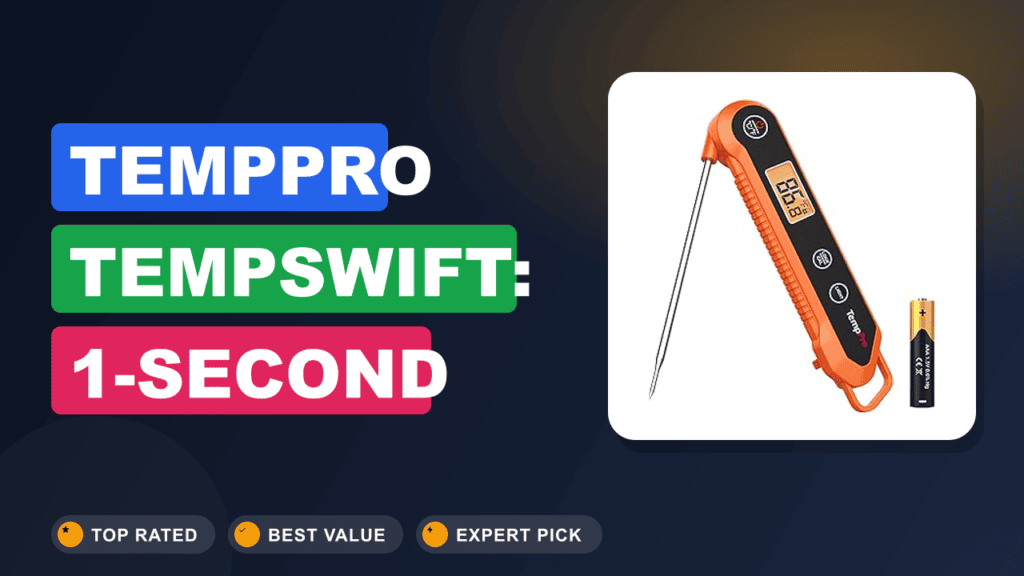
You don't need fancy equipment to get great results. The most helpful tool is a simple digital thermometer. It removes the guesswork and prevents the disappointment of dry, overcooked chicken.
Whether you are prepping for a quick salad topping, a sandwich, or a main course, the air fryer is a fast and effective way to get dinner on the table without turning on a full-sized oven. Stay mindful of the heat, keep an eye on the clock, and remember that even a one-minute difference matters when dealing with lean poultry.