Cooking boneless ribs in an air fryer is one of the fastest ways to get a tender, flavorful meal on the table without firing up a charcoal grill or heating your entire kitchen with an oven. Because boneless ribs are essentially strips of pork shoulder or loin, they don't have the long, thick connective tissues of bone-in country-style ribs, meaning they cook through quite quickly. Most batches of boneless ribs will be ready in 15 to 25 minutes at 375°F or 400°F, depending on the thickness of the meat and your personal preference for a charred, crispy exterior.
You don't need a complex setup to get great results. Whether you are using a dry rub, a wet marinade, or just a simple coating of your favorite barbecue sauce, the circulating air of the air fryer mimics the effect of a convection oven, giving you a bark-like texture that is hard to achieve with pan-searing alone. Here is everything you need to know about how long to cook boneless ribs in an air fryer to ensure they stay juicy while hitting that perfect level of tenderness.
Why the air fryer works for boneless ribs
The main reason the air fryer is so effective for this specific cut of meat is the intensity of the heat circulation. Unlike an oven, where the air moves more slowly, an air fryer uses a powerful fan to blast hot air directly onto the surface of the meat. This high-velocity air helps render the fat faster and creates a crust on the surface of the ribs.
Since boneless ribs are uniform in size, they are ideal for this high-heat, high-speed environment.
When you cook these in an oven, you often have to wait for the entire cavity to preheat, and then the meat spends a long time slowly climbing in temperature. In the air fryer, the smaller chamber means the temperature is more stable and the recovery time after you open the basket is much lower. This means you spend less time waiting for the "low and slow" process and more time enjoying the meal.
You still get a good texture, provided you don't crowd the basket.
How long to cook boneless ribs at different temperatures
The time it takes to reach a safe and delicious finish depends largely on the temperature you choose. The internal temperature for pork should reach at least 145°F as recommended by the United States Department of Agriculture for food safety, though many people prefer to cook them slightly longer, until they reach 165°F or higher, to break down the fat for a more "melt-in-your-mouth" texture.
375°F (Recommended)
Cooking at 375°F is the "sweet spot" for most air fryers. It provides enough heat to brown the exterior while keeping the internal meat moist.
- Total time: 18 to 22 minutes.
- Best for: Most styles, especially those using a thick or sugary barbecue sauce.
- Why it works: A slightly lower temperature prevents the sugars in your sauce from burning too quickly while allowing the heat to penetrate the center of the meat.
400°F (High Heat)
If you prefer a deeper, darker char on the outside of your ribs, this is the better choice.
- Total time: 15 to 18 minutes.
- Best for: Dry-rubbed ribs or thinner cuts of meat.
- Why it works: The high heat creates a rapid sear. You should flip the ribs at the 8-minute mark to ensure even cooking.
Determining your target time
The cooking time isn't just about the temperature; it is also about the physical state of the ribs. If you are using a thick, sugary sauce, you have to be careful. Sugar burns easily in an air fryer.
If you are going to use sauce, it is usually better to apply it during the last 3 to 5 minutes of cooking. This prevents the sauce from turning into an acrid, black layer while the meat is still cooking through.
If you are cooking from frozen, you will need to add roughly 5 to 7 minutes to your cook time. Always start by checking them at the lower end of the range. You can always add more time, but you cannot fix meat that has been overcooked and turned into a rubbery, dry strip.
| Cooking Method | Temp | Est. Time | Best For |
|---|---|---|---|
| Dry Rub | 400°F | 15-18 mins | Crispy edges |
| Sauced (Last 5 mins) | 375°F | 18-22 mins | Traditional BBQ style |
| Frozen Ribs | 375°F | 22-28 mins | Convenience |
Step-by-step cooking process
Preparing boneless ribs is straightforward, but consistency in your process makes a big difference. Follow these steps to ensure you don't end up with unevenly cooked meat.
- Pat the meat dry: Even if you are using a marinade, patting the ribs dry before applying a dry rub or seasoning is helpful. Excess surface moisture creates steam, which prevents browning.
- Season generously: Apply your favorite dry rub. Don't be afraid to be heavy-handed, as these ribs are usually quite thick and need the flavor boost.
- Preheat the air fryer: While not always mandatory, preheating the air fryer for 3 minutes at your target temperature helps ensure the cooking timer starts with the meat hitting a hot surface immediately.
- Arrange in a single layer: This is the most important rule. If the ribs are overlapping, the ones in the middle will steam rather than roast. Use a rack or a larger basket if you have a lot of ribs.
- Flip halfway: Regardless of the temperature, flip your ribs at the halfway point. If your air fryer has a "hot spot" (and most do), shuffling the ribs around during the flip helps them cook more uniformly.
- Glaze at the end: If you are using a sweet barbecue sauce, brush it on during the final 3 to 5 minutes of the process. This keeps the sauce tacky and flavorful instead of burnt.
- Rest the meat: Let the ribs sit on a plate for 3 to 5 minutes after pulling them out of the air fryer. This allows the juices to redistribute, ensuring every bite stays moist.
Managing the "sauce problem"
One of the most common complaints when cooking boneless ribs in an air fryer is that the sauce gets too messy or burns. Because air fryers move air at such high speeds, thin sauces can sometimes blow off the meat and coat the inside of your unit, which makes cleanup a nightmare.
If you have a very thin, watery sauce, avoid applying it until the very end. If you are using a thick, molasses-based or honey-based sauce, you can apply it earlier, but keep a close eye on it. If you notice the edges of the ribs are turning dark brown before the middle is fully cooked, drop the temperature by 25 degrees and continue cooking for a few extra minutes.
How to fix common mistakes
Even experienced home cooks can run into issues with air frying. Here is how to handle the most common frustrations.
- The ribs are dry: This usually happens if you cook them too long. Remember that pork continues to cook for a few minutes after you take it out. If your ribs are coming out dry, pull them out when they hit 140°F internal temperature and let them rest.
- The outside is burnt, but the inside is cold: Your air fryer temperature is likely too high. Drop it to 350°F and increase the time. This gives the heat more time to move to the center of the meat without scorching the exterior.
- The ribs are tough: If your ribs are particularly lean, they can become tough quickly. Avoid overcooking, and try a quick marinade in something acidic (like apple cider vinegar or citrus juice) for 30 minutes before cooking. This helps tenderize the fibers.
- The basket is too crowded: If you can't fit all your ribs in one layer, it is better to cook in batches. The time it takes to cook two separate batches is almost always shorter than the time you would spend trying to "fix" a basket where the meat is stacked on top of itself.
Checking for doneness
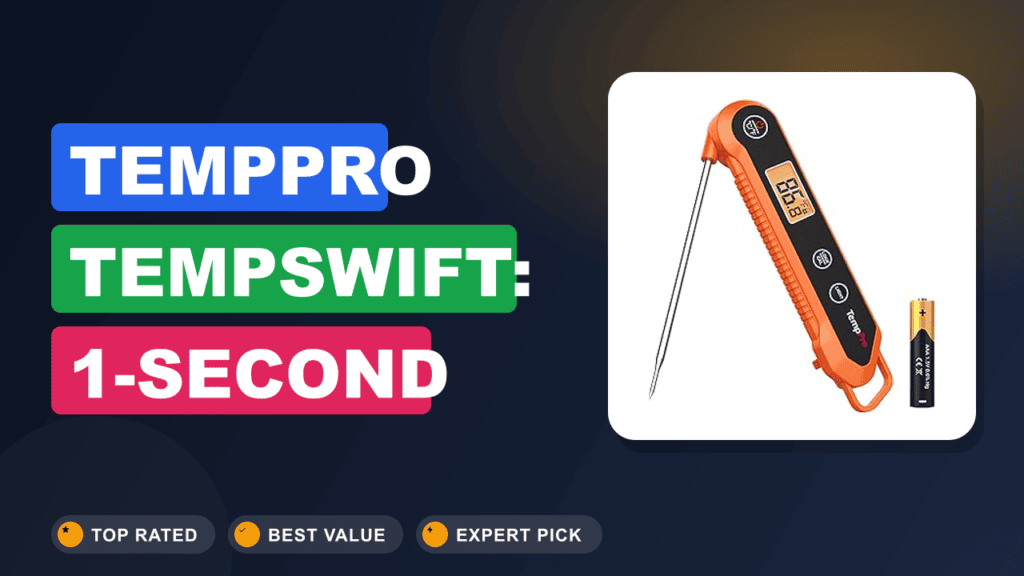
The most reliable way to check if your ribs are done is with a meat thermometer. There is no guessing game with temperature. Insert the probe into the thickest part of the largest rib.
Once it reads 145°F, it is safe to eat. However, many people prefer taking them to 160°F or 170°F for a more tender bite. At higher temperatures, the internal fat renders down more completely, which changes the texture of the meat from "chewy" to "tender."
If you don't have a thermometer, you can use the "poke test." Press the rib with your finger. If it feels firm with very little give, it is likely overcooked. If it feels soft and squishy, it needs more time.
A perfectly cooked rib should have a slight bounce back when pressed.
Variations based on cut and size
Boneless ribs are often sold as "country-style" strips or as pre-cut squares. The thickness of the cut is the primary factor in how long they take to cook. A 1-inch thick strip of pork shoulder will cook much faster than a 2-inch chunk of a thicker roast cut.
When you buy your ribs, try to buy pieces that are roughly the same size. If your package has some tiny pieces and some massive chunks, pull the smaller pieces out of the air fryer first. This prevents the small ones from turning into pork jerky while the larger ones are still finishing up.
Frequently asked questions
Do I need to flip boneless ribs in the air fryer?
Yes, flipping is essential for an even crust. Even though air fryers circulate air, the bottom of the meat usually doesn't get as much direct heat as the top. Flipping halfway through ensures that the "bark" or sear is uniform on both sides.
Can I use aluminum foil in the air fryer?
You can use a small piece of aluminum foil to line the basket for easier cleanup, but be careful. Don't cover the entire bottom of the basket, as this blocks the airflow and defeats the purpose of an air fryer. If you use foil, keep it small and ensure it is weighted down by the meat so it doesn't fly around and hit the heating element.
Why do my ribs taste like charcoal?
If your ribs taste bitter or like charcoal, it is likely that your sauce or rub contains high amounts of sugar or dried herbs that have burned. Try using a rub with fewer dried herbs and add your sauce much later in the cooking process. You might also want to wipe the basket clean between batches, as leftover burnt bits from the first batch can smoke during the second.
Should I marinate the ribs before air frying?
Marinating is great for flavor, but you must pat the meat dry before it goes into the air fryer. If the meat is soaking wet with marinade, it will steam rather than sear. A quick soak in a marinade followed by a thorough pat-down with paper towels is the best way to get both deep flavor and a good exterior texture.
Is it safe to cook ribs from frozen in the air fryer?
Yes, it is safe, but it is not ideal for texture. Frozen ribs tend to release a lot of moisture, which can make the finished product feel a bit boiled. If you must use frozen ribs, cook them at 350°F for 5 minutes to thaw, then increase the temperature to 375°F to finish the cooking.
How do I know when the fat has rendered?
The fat is fully rendered when the meat feels very tender and pulls apart easily with a fork. If you bite into a rib and it feels gummy or tough, the fat has not rendered enough. This usually means you need to cook it at a slightly lower temperature for a few extra minutes to allow that connective tissue to break down.
Before you go
Cooking boneless ribs in an air fryer is a reliable way to get a great dinner on the table without the hassle of a traditional grill. Just remember that the key to success is controlling your temperature and managing your sugar-based sauces carefully. By sticking to the 375°F to 400°F range and keeping an eye on the internal temperature of your meat, you can avoid common issues like dryness or burnt exteriors.
Start with these timeframes, use your senses to check the color of the bark, and pull the ribs once they hit your preferred level of tenderness. With a little practice, you will find exactly what timing works best for the specific size and style of ribs your grocery store stocks.