When you are trying to figure out how long to cook air fryer chicken wings, the short answer is that most wings need between 20 and 25 minutes at 400°F (200°C). This timing provides the best balance between a crispy, golden-brown skin and juicy, tender meat inside. While variables like the size of your wings and the capacity of your air fryer can influence the exact duration, 22 minutes is the sweet spot for the vast majority of home cooks.
Because chicken wings are a staple for game days, quick dinners, and snack platters, getting the timing right is the difference between a soggy, unappealing meal and restaurant-quality wings. This guide covers exactly how to prep, cook, and finish your wings to ensure they reach that perfect internal temperature every time without guessing.
Why 400°F is the Standard Temperature
Cooking at a high heat is non-negotiable when you want crispy skin. The air fryer works by circulating hot air at high speeds, which mimics the effects of deep frying by dehydrating the surface of the skin. If you go lower than 400°F, you will likely end up with rubbery skin that lacks that signature crunch.
If you push the temperature too high, say 425°F or 450°F, you risk burning the outside before the meat near the bone is fully cooked.
According to the United States Department of Agriculture (USDA), all poultry must reach an internal temperature of 165°F to be considered safe to eat. By setting your air fryer to 400°F, you create enough thermal intensity to crisp the fat under the skin while ensuring the thickest part of the wing reaches that safe internal threshold within that 20 to 25-minute window.
How to Prepare Wings for Maximum Crispiness
The most common reason for soggy air fryer wings is surface moisture. If the chicken is wet when it goes into the basket, the air fryer has to spend the first five to ten minutes evaporating that water rather than browning the skin.
Always start by patting your wings completely dry with paper towels. You want the surface to feel tacky or dry to the touch. Once dry, toss them in a bowl with a light coating of oil.
Avocado oil or light olive oil works well because they have high smoke points and won't burn at 400°F. If you want extra texture, you can toss the wings in a teaspoon of baking powder, not baking soda, per pound of wings. The baking powder helps break down the proteins in the skin, which significantly boosts the crisping process.
Step-by-Step Cooking Guide
To achieve consistent results, follow these steps. Consistency is the key to mastering your appliance.
- Preheat your air fryer: Even if your model doesn't strictly require it, running it empty for three minutes at 400°F ensures the cooking chamber is hot the moment the chicken hits the basket.
- Arrange in a single layer: Do not overcrowd the basket. If the wings are touching or stacked on top of each other, the air cannot circulate. Use two batches if your air fryer is small.
- Set the time: Start the timer for 20 minutes.
- The halfway flip: Halfway through, at the 10 or 12-minute mark, open the basket and use tongs to flip each wing. This ensures both sides brown evenly. If you have a basket-style fryer, give the basket a good shake after flipping to redistribute the wings.
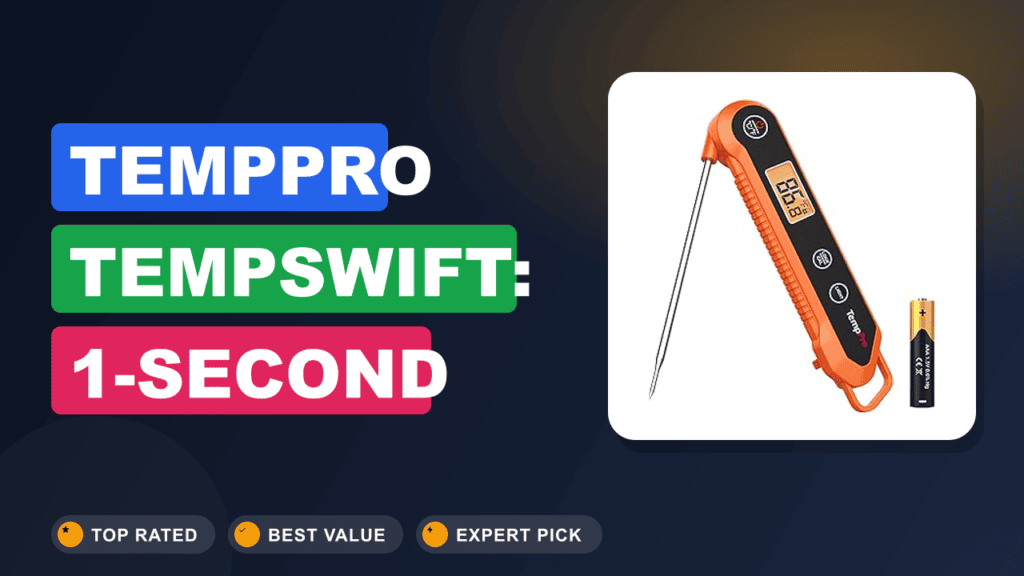
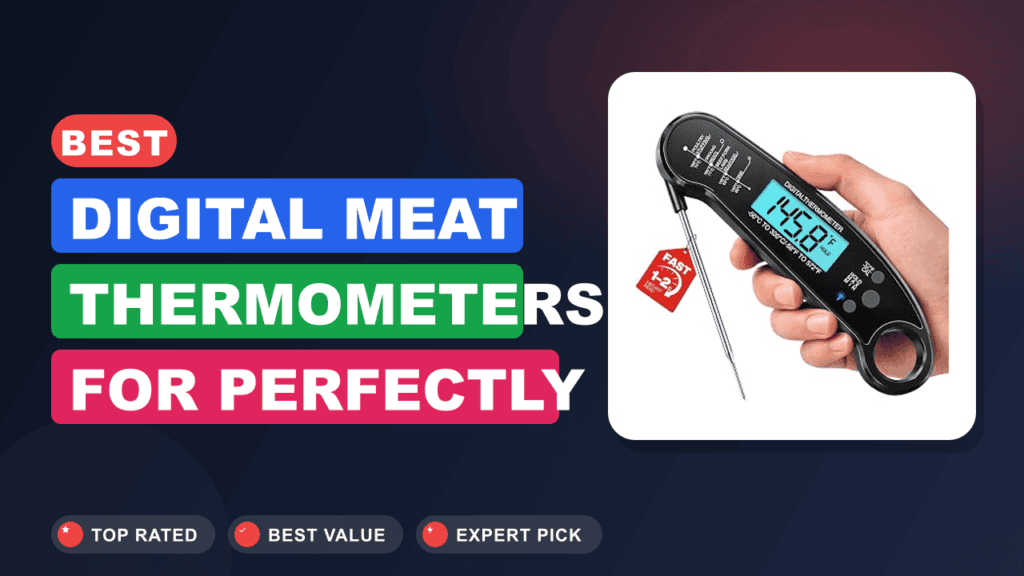
- Check the temperature: Use an instant-read meat thermometer to poke the thickest part of the wing, avoiding the bone. You are looking for 165°F at a minimum.
- Adjust for crispiness: If you want them extra crispy, add an additional 3 to 5 minutes to the total time after the initial 20 minutes are up.
Understanding Air Fryer Variables
Not all air fryers are created equal, and your specific model will dictate whether you land closer to 20 minutes or 25 minutes.
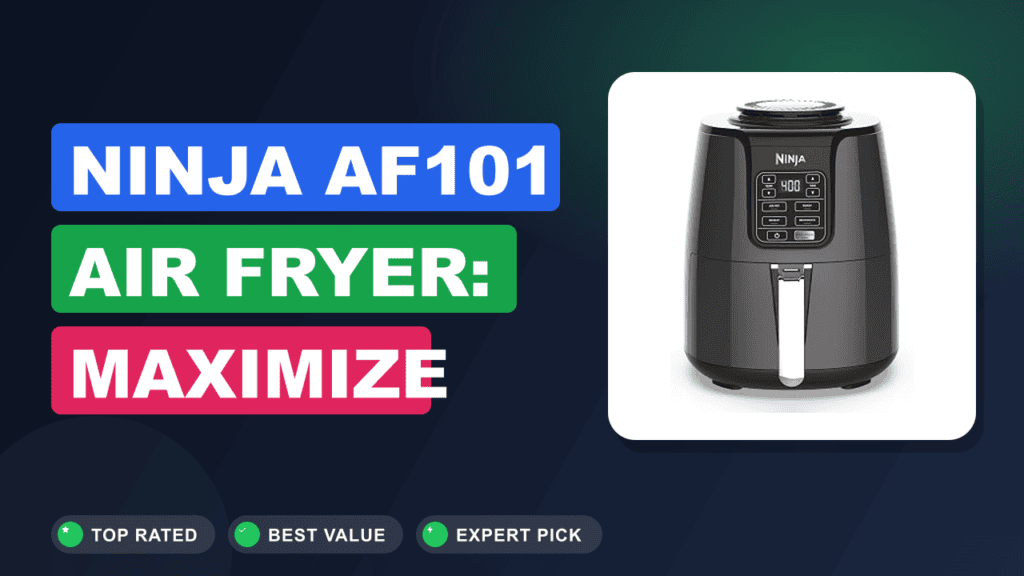
- Basket-style fryers: These generally have a smaller footprint and concentrate heat more intensely. They often cook wings on the faster end of the spectrum because the fan is closer to the food.
- Oven-style or tray-style air fryers: These units have larger chambers and often require a few extra minutes because the heat has more volume to cover.
- Frozen vs. fresh: If you are cooking wings directly from frozen, you must add at least 5 to 10 minutes to your total cook time and lower the initial temperature slightly to 380°F to ensure the center thaws before the outside chars.
Comparison of Cooking Times and Temperatures
Different heat settings produce different textures. Use the table below as a quick reference when you want to experiment with your wing texture.
| Temperature | Estimated Time | Texture Result | Best Use |
|---|---|---|---|
| 350°F | 30–35 mins | Juicy but less crispy | Soft skin, tender meat |
| 400°F | 20–25 mins | Ideal crispiness | Classic buffalo style |
| 425°F | 15–18 mins | Very crispy/charred | Fast, small wings |
| 380°F (Frozen) | 30–40 mins | Evenly cooked | Convenient weeknight meal |
Common Mistakes That Lead to Poor Results
Even when you follow the time guidelines, some small errors can ruin your wings.
- Neglecting the shake: If you don't flip or shake the wings halfway through, you will end up with "zebra stripes" where one side is dark brown and the other is pale and soft.
- Adding sauce too early: Never add your wing sauce before or during the cooking process. Sugary sauces, especially barbecue or honey-based glazes, will burn and turn black at 400°F. Always cook the wings plain and toss them in sauce in a bowl immediately after removing them from the air fryer.
- Using a non-stick spray incorrectly: Many aerosol sprays contain soy lecithin, which can build up a gummy, sticky residue on air fryer baskets over time. Use a pump-style oil sprayer instead to coat your wings directly.
- Overcrowding: A crowded basket traps steam. Steam is the enemy of crispy skin. If you can't see the bottom of the basket, you have too many wings in there.
When to Check for Doneness
While 20 to 25 minutes is the target, always rely on an internal temperature check rather than just the clock. The internal temperature is the only true indicator of safety.
When you insert a probe thermometer into the meatiest part of the wing, do not let it touch the bone. Bone heats up faster than meat and will give you a false, high reading. If you find your wings are at 165°F but don't look crispy enough, don't be afraid to keep them in for another few minutes.
Chicken wings are forgiving because they have a high fat content, so they stay moist longer than chicken breasts would.
Frequently Asked Questions
Can I stack wings on top of each other to fit more in the air fryer?
No. Stacking prevents air circulation, which results in steamed, rubbery skin. If you have a large batch, it is much better to cook in two separate batches.
If you are in a rush, you can rotate the wings from the bottom to the top halfway through, but you will still struggle to get a uniform crunch.
Should I marinate the wings before putting them in the air fryer?
You can, but you must pat them dry again after marinating. Excess liquid from a marinade will prevent the skin from crisping. If you use a wet marinade, it is often better to brush it on during the final two minutes of cooking or toss the wings in the marinade after they have already finished cooking.
How do I get my wings extra crispy without burning them?
The trick is to use a light dusting of baking powder before cooking. The alkalinity of the baking powder raises the pH of the skin, which accelerates the Maillard reaction. Also, make sure you pat the wings dry with paper towels before adding any oil or seasoning.
Can I reheat leftover wings in the air fryer?
Yes, and it is the best way to do it. Preheat the air fryer to 350°F and reheat the wings for about 5 to 7 minutes. They will come out almost as crispy as they were when they were first made.
Avoid using the microwave, as it will make the skin soggy and the meat tough.
Does the type of seasoning affect the cook time?
Yes. Dry rubs, like salt, pepper, garlic powder, or paprika, are fine for the full cook time. However, if your seasoning has a high sugar content, it will begin to burn at the 15-minute mark.
If you use a sweet rub, keep a close eye on the wings after 15 minutes and consider lowering the heat to 375°F to prevent the sugar from turning bitter.
Worth Remembering
Mastering the timing for air fryer chicken wings is largely about managing moisture and airflow. Once you have a clean, dry, and lightly oiled wing in a hot basket at 400°F, you are 90% of the way there. Set your timer for 20 minutes, flip them at the halfway point, and use a thermometer to confirm that 165°F reading.
If you prefer a darker, crunchier skin, just tack on a few extra minutes. Avoid the temptation to add sauce until the very end, and you will consistently serve wings that are crisp on the outside and juicy on the inside. By keeping these simple rules in mind, you can stop worrying about the clock and focus on your favorite sauces and dips.