For most households, an under sink water filter is the better buy if your main goal is better drinking and cooking water. Choose a whole house water filter when you also want filtered water at showers, bathroom faucets, laundry, and every other outlet.
The key difference is where the water gets treated. An under sink system filters water at one kitchen faucet. A whole house system treats water as it enters the home.
That changes the installation, cost, flow demands, maintenance, and type of problem each system can solve.
A common buying mistake is choosing based on filter size alone. The right system depends more on your water source, the contaminants you want removed, and how much water your household uses at once.
Under sink vs whole house water filter at a glance
| Factor | Under sink filter | Whole house filter |
|---|---|---|
| Main purpose | Drinking and cooking water | Water throughout the home |
| Installation point | Beneath one sink | Main water line entering the home |
| Best for | City water concerns, taste, cooking | Sediment, odors, or water concerns at multiple fixtures |
| Filtration coverage | Usually one faucet | Most or all cold water outlets |
| Installation difficulty | Moderate | Higher, often requiring a plumber |
| Space needed | Cabinet space | Main line access and equipment space |
| Filter replacement | Usually simpler | Can involve larger, heavier cartridges |
| Flow demand | Low to moderate | Must support showers, toilets, appliances, and faucets |
| Typical cost tier | Lower | Higher |
| Drinking water guarantee | Depends on the filter and faucet | Depends on the filter design and certification |
An under sink filter usually gives you more targeted filtration for less money. A whole house unit gives broader coverage, but it may treat water you never drink, including water used for toilets and outdoor spigots.
Choose an under sink filter if drinking water is the main concern
An under sink system fits a kitchen where the tap water tastes off, leaves sediment in a glass, or needs treatment for a specific contaminant. It connects to the cold water line beneath the sink and sends filtered water to a dedicated faucet or, in some setups, the existing faucet.
This setup keeps the filter close to where you fill a pot, rinse produce, make coffee, and drink water. It also avoids filtering water used for showers and toilets.
The main advantages are:
- Lower equipment and installation cost than a whole house system
- Less chance of reduced water pressure throughout the home
- Easier filter changes
- Better control over the exact contaminant claims you pay for
- A practical fit for renters or homeowners who cannot alter the main water line
The limitation is coverage. Your shower water, bathroom sink, and refrigerator water may remain untreated unless they connect to the filtered line. An under sink system also needs enough cabinet room for the filter housing, tubing, shutoff valve, and sometimes a small storage tank.
Some under sink systems use activated carbon. Others use reverse osmosis, often called RO. Carbon systems can improve chlorine taste and odor and may reduce certain listed contaminants.
Reverse osmosis systems can remove a wider range of dissolved substances, but they usually need a drain connection and may produce wastewater during filtration.
Check the product’s performance sheet rather than relying on phrases such as “multi-stage” or “advanced filtration.” The number of stages does not prove that the filter removes a contaminant you care about.
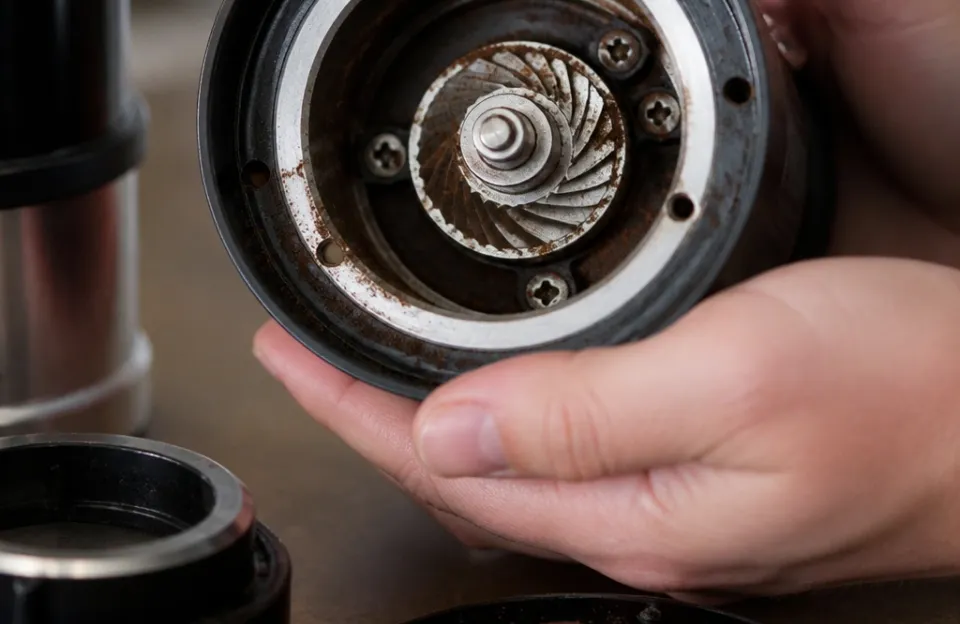
If the filtered faucet will supply a coffee maker, regular water quality still matters. Mineral buildup can affect brewing equipment over time, so pair filtration with a steady cleaning routine for the machine itself.
Choose a whole house filter when every fixture needs the same treatment
A whole house system belongs at the point where water enters your home, usually after the main shutoff and before the plumbing branches to different rooms. It can treat water for the kitchen, bathrooms, laundry room, and other fixtures.
This arrangement makes sense when:
- Sediment reaches several faucets
- Chlorine odor is noticeable throughout the house
- Well water carries sand, rust particles, or unpleasant odors
- You want treated water for showers and laundry as well as drinking
- Multiple people use water at the same time
- You have a documented water problem that affects the entire supply
The larger system must handle the home’s peak flow. A filter that works well at one kitchen faucet may restrict a shower or cause pressure loss when a washing machine and faucet run together.
Whole house systems can use sediment cartridges, carbon tanks, specialty media, UV treatment, or combinations of these. Each design handles a different problem. A sediment filter catches particles.
Carbon can reduce certain tastes, odors, and chemicals. UV systems address microorganisms in water under the right operating conditions, but UV does not remove sediment, salts, metals, or chemical contaminants.
The trade-off is more plumbing work and more maintenance. Main-line installation may require cutting pipe, adding bypass valves, securing a heavy housing, and leaving enough room to change cartridges. A plumber is the safer choice if the water line is difficult to access, the pipe material is unfamiliar, or the installation requires changes near electrical equipment.
Which system handles water pressure better?
An under sink filter usually has less effect on household pressure because it treats only a small stream at one faucet. You may notice a slower filtered faucet, especially with a fine carbon block or reverse osmosis membrane, but the rest of the home works normally.
A whole house filter has to pass water quickly enough for showers, toilets, dishwashers, and laundry. Pressure loss depends on the filter media, cartridge condition, pipe size, and incoming water pressure. A clogged cartridge can make the problem worse.
Look for a published flow rate and pressure drop, not only a gallon capacity. A filter rated for a high number of gallons may still be a poor choice if its flow rate is too low for your home.
A simple way to estimate demand is to list the fixtures that might run together. A shower, toilet refill, kitchen faucet, and washing machine can place much more demand on a whole house filter than one drinking faucet. If the manufacturer does not provide flow information, treat that as a warning.
Which one costs less to own?
An under sink filter normally costs less because it treats less water and uses smaller cartridges. Replacement parts are also easier to carry and store. Reverse osmosis systems can add costs for membranes, post-filters, storage tanks, and installation parts.
Whole house systems cost more upfront, especially when they need professional plumbing. Replacement costs vary widely. A basic sediment cartridge may be inexpensive, but a large carbon tank, specialty media, or UV lamp adds more maintenance.
The filter’s rated capacity does not tell you exactly how long it will last in your home. Water quality, household size, daily use, and the amount of sediment all affect service life. A cartridge rated for a certain number of gallons may clog sooner in a home with rusty pipes or well sediment.
Budget for the complete setup:
- Replacement cartridges or media
- A filter wrench and spare O-rings, if applicable
- A bypass valve or shutoff parts
- Possible plumber labor
- Water testing when the source or problem is unclear
- Disposal of used cartridges
A cheaper whole house unit can become expensive if cartridges need frequent changes or if it causes pressure problems. A more expensive under sink system may be wasteful if you only need to improve taste and odor.
Do you need filtered water at the shower?
Usually, no. Most people choose whole house filtration for a documented water issue, strong chlorine odor, visible sediment, or a concern that affects more than drinking water.
A shower filter is a separate product from a whole house filter. It treats water at one shower and cannot filter water at the kitchen sink or washing machine. It also should not be treated as a substitute for a whole house system when the water contains a contaminant that needs broad removal.
Some households prefer whole house treatment because they dislike the smell of chlorinated water or see sediment at several fixtures. Others only care about drinking and cooking water, making an under sink system more sensible.
Your water source matters here. Public water suppliers publish annual water quality reports, and private well owners need their own testing plan. The Environmental Protection Agency provides general information about drinking water and household water concerns, but local testing is still needed for a private well.
What should the filter actually remove?
Start with the contaminant, then choose the filter. Do not start with the number of filter stages, the size of the housing, or a broad claim about “clean water.”
Useful certification categories include:
- NSF/ANSI 42: Often related to aesthetic issues such as chlorine taste, odor, and visible particles
- NSF/ANSI 53: Covers specific health-related contaminant reduction claims
- NSF/ANSI 58: Applies to reverse osmosis systems
- NSF/ANSI 401: Covers certain emerging contaminants, depending on the specific claim
Certification to a standard does not mean a system removes every contaminant covered by that standard. Read the exact performance data for the model and contaminant.
A filter may reduce lead but not nitrates. It may improve chlorine taste but do little for hard water. It may catch sediment but leave dissolved minerals unchanged.
Water softeners also differ from filters. A softener is designed to reduce hardness minerals, usually calcium and magnesium, rather than improve every water quality issue.
For city water, begin with the utility report and a certified performance sheet. For well water, get a lab test before buying expensive equipment. Testing can prevent the common mistake of installing a carbon filter for a problem that requires a different treatment method.
Reverse osmosis changes the under sink decision
Reverse osmosis is usually an under sink point of use system, though larger setups exist. It pushes water through a membrane and several other filter stages. The result is highly treated water at one faucet, often with a storage tank under the cabinet.
RO makes sense when testing shows a dissolved contaminant that a basic carbon filter will not handle. It also suits people who want very low mineral content for drinking or certain cooking uses.
There are practical costs. The system takes cabinet space, needs a drain connection, and may dispense more slowly than an ordinary faucet. The tank also needs room, and the membrane and other cartridges have separate replacement schedules.
RO water is not automatically the best choice for every kitchen. If your only complaint is chlorine taste, a simpler carbon filter may solve the problem with less plumbing and less waste. If your water has sediment, a prefilter may be needed to protect the RO membrane.
A reverse osmosis system also does not treat every outlet in the home. It is still a point of use setup unless paired with additional plumbing and equipment.
The installation mistake that causes the most trouble
The biggest mistake is buying the filter before checking the pipe location, cabinet space, and replacement access.
For an under sink system, measure the cabinet from the floor to the underside of the sink. Leave room to turn a filter housing or remove a cartridge. Check where the drain line and cold water shutoff sit.
A tall trash bin, pullout shelf, or garbage disposal can make an otherwise suitable system awkward to service.
For a whole house system, inspect the incoming water line before ordering. Confirm pipe size, available wall or floor space, drainage needs, bypass access, and the direction of water flow. Large housings may need a mounting bracket because water-filled equipment is heavy.
Do not install a filter where a leak could damage electrical equipment or stored goods. Use the manufacturer’s shutoff procedure, replace worn O-rings, and check connections after the water is restored. If the main line is buried, corroded, or difficult to isolate, call a licensed plumber.
Also plan for filter changes before installation. A system hidden behind a water heater or pushed against a wall will be neglected, and neglected filters can restrict flow or stop providing the claimed performance.
Pick an under sink filter if these statements sound familiar
An under sink system is the better match when:
- You mainly drink tap water or cook with it
- The problem is taste, odor, or one known contaminant
- You want lower installation and maintenance costs
- You rent or cannot modify the main water line
- You have limited space outside the kitchen
- Your shower and bathroom water are acceptable
A dedicated filtered faucet is often the cleanest setup. Connecting filtration to the existing faucet can work, but confirm that the faucet and filter are compatible and that the filtered line does not reduce cold water availability.
Pick a whole house filter if these statements sound familiar
Choose whole house treatment when:
- Several fixtures show the same water problem
- Well water contains sediment or has a documented quality issue
- You want filtered water at showers and bathroom sinks
- Your household uses multiple fixtures at once
- You are already planning main-line plumbing work
- You are prepared for larger cartridges and regular service
Buy based on peak flow, contaminant data, and access for maintenance. A whole house filter is a poor fit when the only issue is an unpleasant taste at one kitchen faucet.
Common questions about under sink and whole house filters
Which is better for drinking water, an under sink or whole house filter?
An under sink filter is usually better for drinking water when the concern is limited to the kitchen. It treats the water you actually consume without paying to filter water used for toilets, showers, and outdoor fixtures. Choose whole house treatment when the same contaminant or water problem affects the entire supply.
Can a whole house filter replace an under sink reverse osmosis system?
Usually, no. Many whole house filters improve taste, odor, or sediment but do not provide the same dissolved contaminant reduction as an RO system. Check the exact performance claim before treating a whole house carbon filter as a substitute for reverse osmosis.
Does a water filter soften hard water?
A standard water filter does not usually soften hard water. Hardness comes mainly from calcium and magnesium, which normally require a water softener or another treatment designed for hardness reduction. Test the water before choosing equipment.
Is filtered water from a whole house system safe to drink?
It depends on the system, the water source, and the specific certification. A sediment or carbon unit may not remove bacteria, nitrates, lead, or other contaminants unless the manufacturer lists that exact claim. Private well owners should test their water and choose treatment based on the results.
Does a whole house filter remove chlorine from shower water?
A properly selected whole house carbon system may reduce chlorine at multiple fixtures, including a shower. Performance depends on the carbon type, contact time, water flow, and cartridge condition. A small shower filter cannot provide the same coverage throughout the home.
How often do under sink and whole house filters need replacement?
There is no single replacement schedule for every home. Follow the manufacturer’s gallon or time limit, then adjust for pressure loss, taste changes, visible sediment, and local water conditions. Never wait for a filter to become completely clogged before replacing it.
The practical choice for most kitchens
Pick an under sink filter when your real goal is clean tasting, better cooking and drinking water at one kitchen faucet. Pick a whole house system when a tested water problem affects several fixtures or when you want treatment throughout the home.
Before buying, identify the contaminant, check the exact performance claim, measure the installation space, and confirm the filter can meet your water flow needs. That short checklist prevents a much more expensive mistake than choosing the wrong number of filtration stages.