You’ve probably got a trusty meat thermometer hanging around in your kitchen gadget drawer. Maybe you’re eyeing it up while you’re getting ready to fry some chicken or make some crispy potatoes. It’s a fair question: can that same tool tell you if your oil is hot enough?
The answer isn’t a simple yes or no; it depends entirely on the type of thermometer and its specifications.
Manufacturer specifications indicate that most standard digital meat thermometers are designed for internal food temperatures, not the high, direct heat of cooking oil, which can reach up to 400°F (200°C). Using the wrong thermometer can lead to inaccurate readings, damage to the device, or even a safety hazard. This guide will help you understand what works and what doesn’t to keep your kitchen safe and your food perfectly cooked.
Quick Answer
You can use some meat thermometers for oil, but it’s not a blanket yes. Your standard probe meat thermometer is likely not rated for the high temperatures of cooking oil and could be damaged or unsafe. Infrared (IR) thermometers are usually suitable for checking oil surface temperature.
Always check your thermometer’s official specifications for its maximum temperature rating; many are only rated up to 400°F (200°C).
First Things First: What Kind of Thermometer Are We Talking About?
The suitability of a thermometer for checking oil temperature hinges on its design. Two common types are probe thermometers and infrared (IR) thermometers. Understanding their differences is key to knowing which, if either, is appropriate for your oily endeavors.
Probe Thermometers (Digital or Analog)
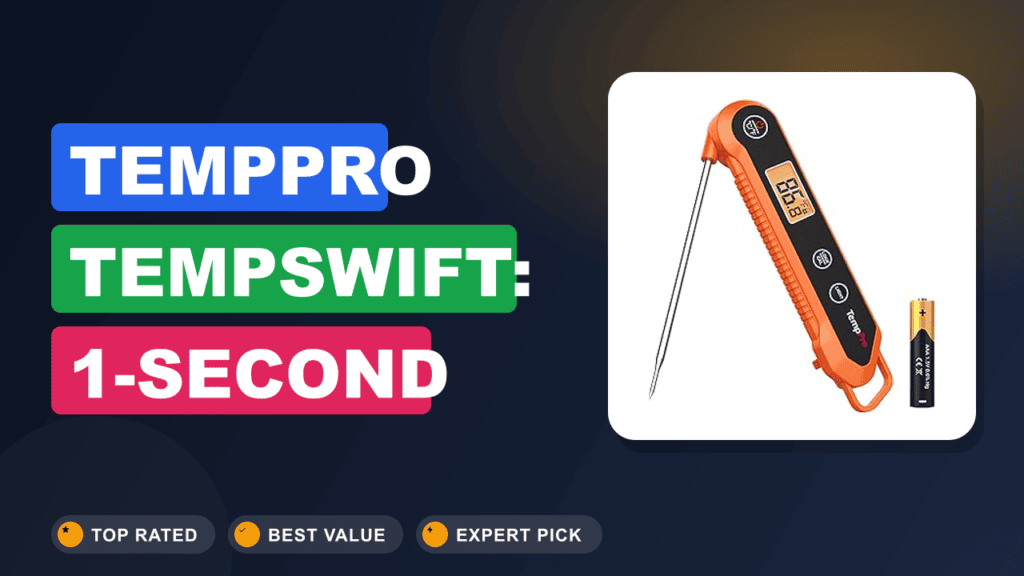
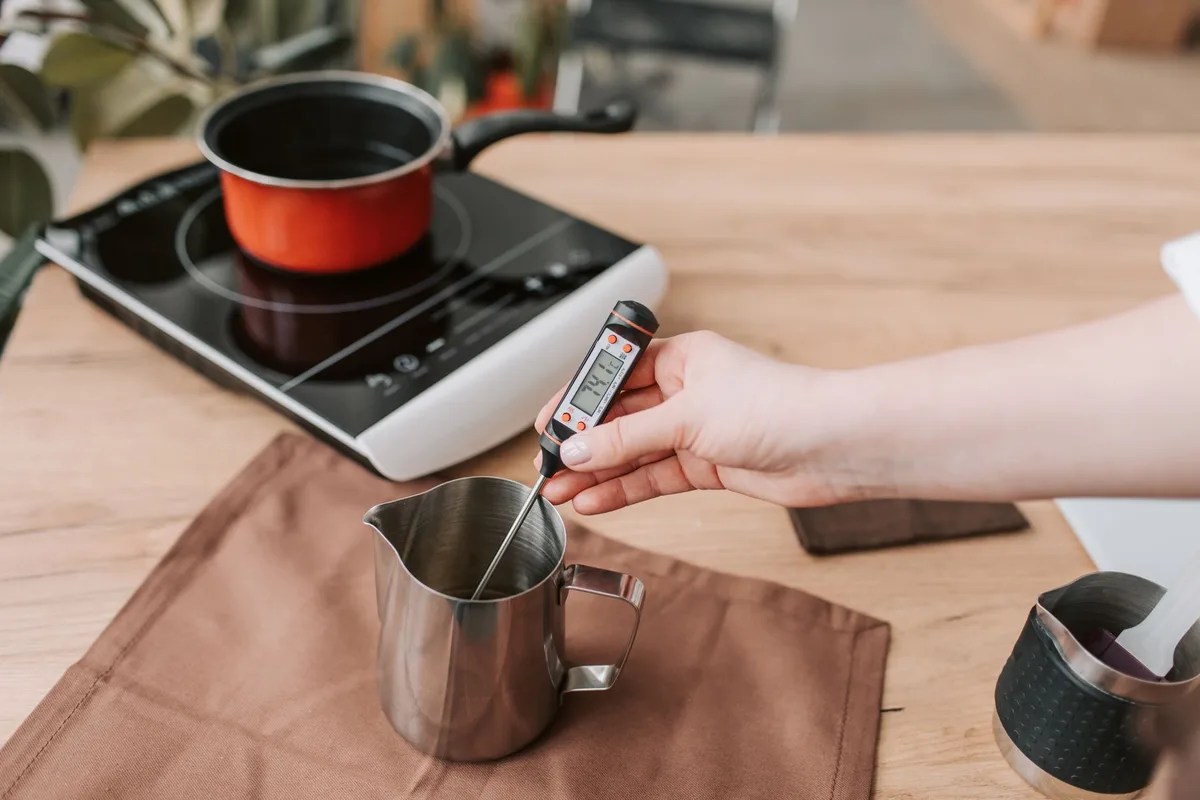
These are the most common type of meat thermometer, featuring a metal probe designed to be inserted into the thickest part of meat. They typically have a digital display or an analog dial showing the internal temperature. Their primary function is to measure the internal heat of food as it cooks, ensuring it reaches safe consumption temperatures.
Infrared (IR) Thermometers
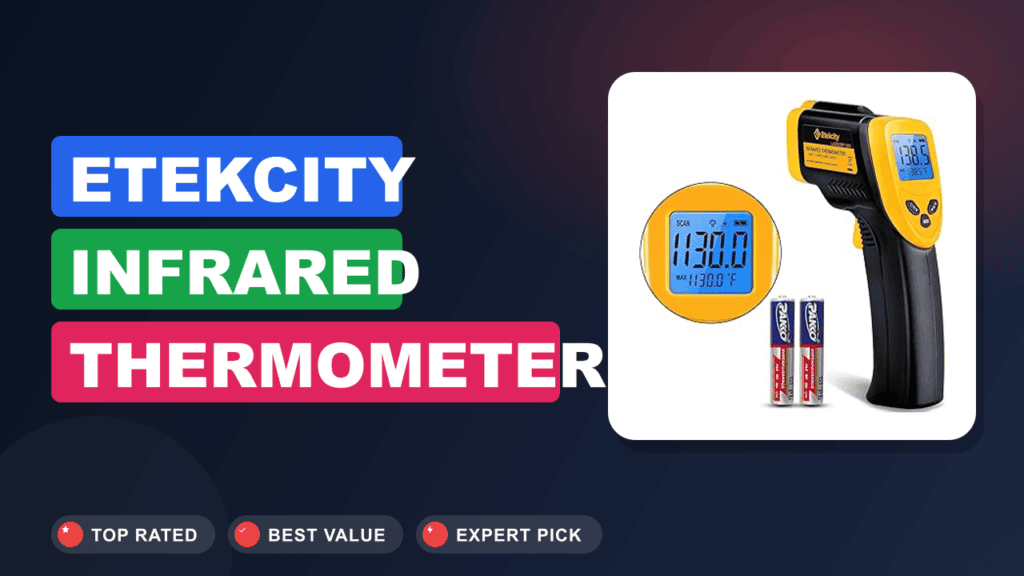
Infrared thermometers, often gun-shaped, measure surface temperature from a distance without making contact. They work by detecting the infrared energy emitted by the surface of an object. This makes them ideal for things like checking the temperature of a cooking surface, a pizza stone, or indeed, the surface of hot oil, without any risk of contamination or the probe being exposed to extreme heat.
Using a Probe Thermometer for Oil
Here’s where things get a bit tricky. While the idea of using one tool for multiple jobs is appealing, standard probe meat thermometers aren’t always up to the task when it comes to hot oil.
The Good News
Some probe thermometers are indeed designed for high-heat cooking applications beyond just meat, including candy making and deep frying. If your specific thermometer has a temperature range that comfortably exceeds typical frying temperatures (which often hover around 350-375°F or 175-190°C) and its manual explicitly states it’s safe for oil, then you might be in luck.
The Not-So-Good News
Most everyday digital meat thermometers are not built for the intense, direct heat that cooking oil can generate. Their sensors and casings may not be rated for sustained high temperatures, and attempting to use them can lead to inaccurate readings or, worse, damage to the device.
Here’s the Scoop on Probe Thermometers
When considering a probe thermometer for oil, pay close attention to these critical factors.
Check the Specs
Always consult your thermometer’s user manual or the manufacturer’s official website. Look for the stated maximum operating temperature. If a thermometer lists a maximum of, say, 400°F (200°C), it might seem sufficient for frying, but the cumulative effect of prolonged high heat can still be an issue.
If the specs don’t explicitly mention use with oil or high-heat cooking, assume it’s not designed for it.
Material Matters
High-quality stainless steel probes are generally more heat-resistant. However, the handle and internal electronic components are often made of plastics or other materials that can degrade, melt, or even catch fire if exposed to temperatures beyond their rating.
Accuracy Issues
Oil heats up and cools down significantly faster than meat. A probe thermometer calibrated for the slower heat transfer within food might not register the rapid changes in oil temperature accurately. This can lead to oil that’s too hot (and potentially dangerous) or too cool (resulting in soggy food).
You need a thermometer with a rapid response time specifically for volatile oil temperatures.
Safety First!
This is the most crucial point. If a probe thermometer isn’t rated for oil temperatures, the probe could overheat, damaging the internal circuitry and battery. This can create a serious fire hazard.
Additionally, plunging a potentially compromised, cold metal probe into hot oil can cause splashing and burns.
Using an Infrared (IR) Thermometer for Oil
This is where things get much simpler and often safer. Infrared thermometers are purpose-built for non-contact surface temperature readings.
The Big Win
Infrared thermometers excel at providing a quick, non-contact surface temperature reading. This is precisely what you need when checking if your cooking oil has reached the desired frying temperature.
Accuracy
They offer an instant reading of the surface temperature, which is critical for achieving the perfect crisp in fried foods. Their ability to measure from a safe distance further enhances their usability for this task.
Safety
Without any direct contact required, IR thermometers eliminate the risk of probe damage from high heat or accidental splashing. You maintain a safe distance from the hot oil, significantly reducing the chance of burns.
What to Look For
Ensure the IR thermometer you plan to use has a temperature range that comfortably covers typical frying needs, often up to 500°F (260°C) or more. Importantly, understand that IR thermometers measure surface temperature. For most deep frying applications, this is precisely the measurement you want.
What About a Dedicated Deep-Fry/Candy Thermometer?
Honestly, these are usually the best tools for the job if you’re serious about frying or candy-making. These thermometers are specifically engineered to handle the high temperatures associated with these cooking methods. They typically feature a robust probe and a dial or digital display that can accurately read temperatures up to 400°F (200°C) or higher.
Many also come with clips to attach securely to the side of your pot, keeping them stable and upright in the hot oil. Their rapid response time ensures you get accurate readings as the oil heats up, preventing common issues like burning sugar or creating greasy, over-oiled foods. For their cost and reliability, they are an invaluable addition to any kitchen focused on precise temperature-sensitive cooking.
Quick Decision Guide
To make it easy, let’s look at when you can and can’t use different thermometers for oil. This decision framework is based on manufacturer ratings and safety protocols.
| Thermometer Type | Can You Use It for Oil? | Important Considerations |
|---|---|---|
| Probe Meat Thermometer | Maybe, but be cautious. Only if explicitly rated for high-heat oil by the manufacturer and within its temperature range. | Check max temp rating; probe material; response time. Risk of damage to thermometer or fire hazard if not rated. Many are only rated up to 400°F (200°C), which may be insufficient for some tasks. |
| Infrared (IR) Thermometer | Yes, usually! Great for checking surface temperature safely and quickly. | Ensure it has a high enough temp range (most do!). Measures surface temp, which is ideal for frying. |
| Dedicated Fry/Candy Thermometer | Absolutely! This is what they’re made for. | Highly accurate for high temps, designed for pots, often very user-friendly. |
Final Recommendation
When deciding whether to use your meat thermometer for oil, prioritize safety and accuracy above all else. For your standard probe meat thermometer, proceed with extreme caution. Unless the manufacturer explicitly states it’s safe for oil and provides a sufficient temperature range, it’s best to leave it for meats and opt for a dedicated tool.
Infrared thermometers are generally a safe and effective choice for checking oil surface temperatures. If you frequently cook at high temperatures or make candy, investing in a specialized deep-fry or candy thermometer is the most reliable path to consistent, perfect results.