So, you’re thinking about your kitchen layout, and the measurement between your countertops and upper cabinets is on your mind. Getting this spacing right isn’t just about looks; it directly impacts how you use your kitchen every single day. It’s about making sure you can stand comfortably, reach what you need, and move around without bumping into things.
That standard measurement between countertops and cabinets plays a huge role in a kitchen’s functionality and feel. Per recommendations from industry bodies, like the National Kitchen & Bath Association (NKBA), there’s a widely accepted ideal gap that balances several important design needs.
Quick Answer
What is the standard measurement between countertops and cabinets? The standard measurement between countertops and upper cabinets is typically 18 inches. This common spacing ensures comfortable reach and efficient workflow.
It accommodates standard backsplash heights and appliance use. This 18-inch gap is a widely adopted guideline for functional kitchen design.
Why Visuals Matter for Kitchen Spacing
When you’re trying to picture how your kitchen will actually feel and work, static numbers only get you so far. That standard measurement between countertops and cabinets, for instance, isn’t just a figure; it represents a tangible space that affects your daily life in the kitchen. Visuals help you understand the spatial relationships, the reachability of upper cabinets, and the overall balance of your kitchen design.
Seeing how this gap looks in real kitchens allows you to better judge if it will work for your height, your cooking habits, and the specific layout of your space.
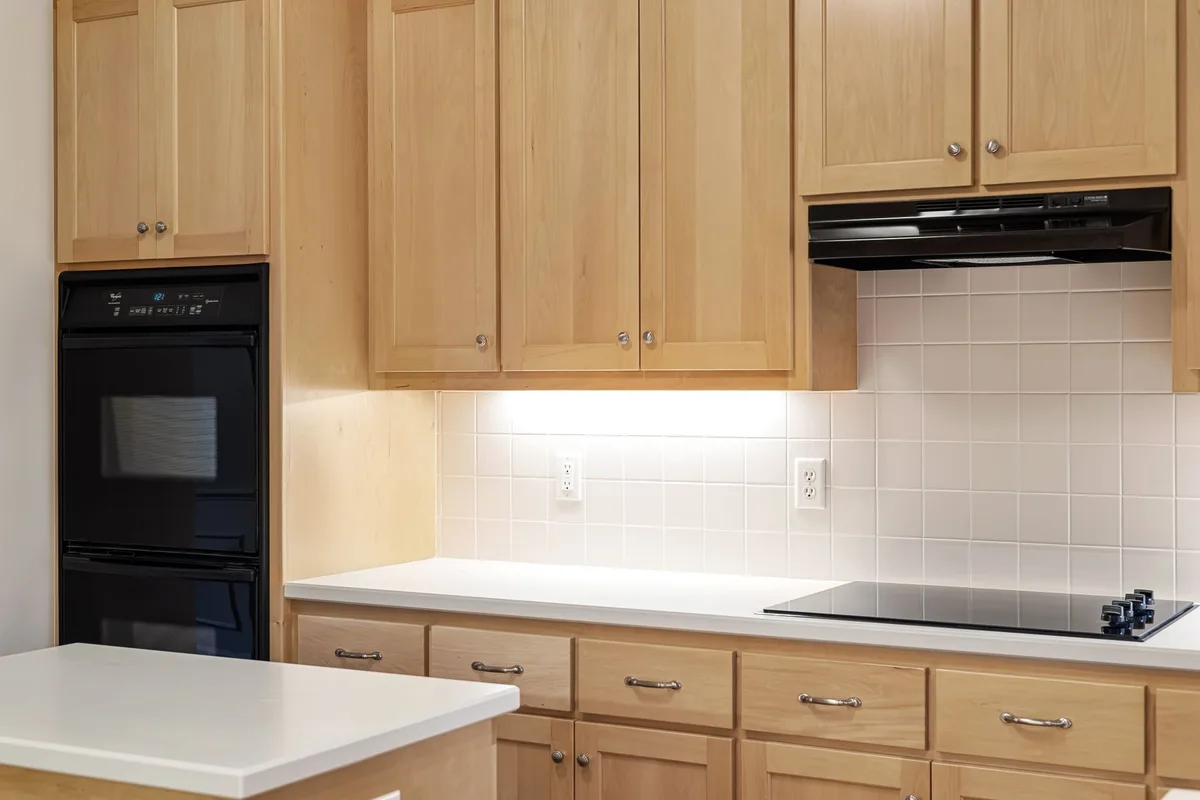
Image source: Pexels / Curtis Adams (Pexels License)
The Standard 36-Inch Countertop Height Explained
Let’s start with the base: your countertop. In most residential kitchens, the standard countertop height, measured from the finished floor to the top surface of the countertop, is 36 inches. This height isn’t arbitrary; it’s based on ergonomics for the average adult.
It allows most people to chop vegetables, mix ingredients, and perform other meal prep tasks comfortably without excessive bending or reaching. This 36-inch height is a foundational dimension that directly influences the starting point for your upper cabinets.
Understanding the Ergonomics of 36 Inches
This specific height arose from studies and practical application over decades. It aligns with the average elbow height of adults, minimizing physical strain during common kitchen activities. Different cultures and regional building codes might have slight variations, but 36 inches remains the dominant standard in the United States and similar markets.
How Different User Heights Impact the Countertop
While 36 inches is standard, some kitchens cater to exceptionally tall or shorter homeowners by offering custom countertop heights. However, for general construction and renovations aiming for broad usability, 36 inches is the go-to measurement. It sets the stage for all other vertical spacing decisions in the kitchen.
What’s the Magic Number? The 18-Inch Cabinet Gap
Now, let’s talk about the space above your countertop and below your upper cabinets. That common measurement, the one that designers and builders often refer to, is 18 inches. This 18-inch gap is crucial for several reasons.
It provides ample room for most standard backsplashes, whether that’s tile, solid surface material, or a custom panel. More importantly, it creates a functional workspace that feels open, not cramped. This measurement is a key consideration that impacts workflow and the overall aesthetic appeal of your kitchen.
Understanding the Ergonomics of 18 Inches
This 18-inch spacing is largely about reachability. It allows most individuals to comfortably access items stored in upper cabinets without needing stools or excessive stretching. It also ensures enough clearance for taller appliances, like a full-sized coffee maker, a blender, or even basic kitchen ventilation hoods, to sit on the countertop without feeling like they’re about to hit the cabinets.
How Different User Heights Impact the Gap
While 18 inches works for the average person, it’s worth noting that very tall individuals might prefer a slightly larger gap, perhaps 19 or 20 inches, to improve comfort when reaching upwards. Conversely, someone significantly shorter might find 17 inches more accommodating. However, deviating too much from the 18-inch standard can impact resale value and might create issues with standard cabinet and fixture sizes.
Why That Space Between Countertop and Cabinet Is So Important
The 18-inch gap isn’t just an arbitrary number; it’s a critical design element that directly translates into a more functional and enjoyable kitchen. Think of it as the sweet spot that balances accessible storage with an unfettered workspace. When this measurement is right, your kitchen just works better.
It prevents that feeling of being boxed in and ensures that everyday tasks don’t become a physical chore.
Boosting Your Kitchen Workflow
A well-spaced kitchen means a smoother workflow. When you’re prepping food on the counter, you don’t want to feel like you’re constantly ducking or straining to grab spices from the backsplash or ingredients from the shelf above. The 18-inch gap allows for a natural, efficient motion from the countertop up to the cabinets, streamlining your cooking process significantly.
This is especially true when you’re working through multiple steps of a recipe.
Making Your Kitchen More Accessible
This standard spacing isn’t just about people of average height; it’s about making the kitchen accessible for everyone who uses it. An 18-inch gap typically accommodates a wide range of users, from teens helping with dinner to adults of varying heights. It prevents the need for constant bending or awkward reaching, reducing fatigue and the risk of minor injuries like bumps or strains.
Image source: Pexels / tiago alves (Pexels License)
Common Mistakes in Cabinet Spacing
Despite the established guidelines, mistakes happen when installing cabinets, and the spacing between the countertop and upper cabinets is a frequent culprit. These errors can range from minor annoyances to significant functional problems that affect how you use your kitchen daily. Identifying these common pitfalls is key to ensuring your kitchen is both beautiful and practical.
Too High: The Reach and Strain Problem
When upper cabinets are hung too high, often exceeding the standard 18-inch gap, it creates a significant reach issue. Users will find themselves constantly stretching, using step stools, or struggling to access items stored on the top shelves. This not only becomes inconvenient but can also lead to strain and increase the risk of dropping items.
It can make even simple tasks like grabbing a mug feel like an effort.
Too Low: Clutter and Workspace Issues
Conversely, if cabinets are installed too low, with a gap less than 18 inches, it can severely compromise the usability of your countertop workspace. Smaller backsplashes become the norm, and larger appliances might not fit comfortably underneath. This can lead to a cluttered countertop as items that should be stored away are forced into visible proximity.
It also makes cleaning the backsplash area much more challenging. As of 2026, adherence to these standards remains critical for functional design.
Expert Tips for Perfect Countertop-Cabinet Spacing
Achieving the ideal 18-inch gap between your countertops and upper cabinets involves more than just a tape measure. Think about your daily kitchen routine and what specific items you’ll store overhead. Are you a baker who needs easy access to mixing bowls, or do you store rarely used serving platters on the highest shelves?
Considering your personal needs helps tailor the space effectively.
When placing cabinets, visualize your most frequent tasks. Can you comfortably reach the cabinet doors and their contents while standing at the counter? This ergonomic consideration is paramount for a user-friendly kitchen.
Considering Your Appliances
The size and placement of your appliances play a significant role in determining approximate spacing. For instance, if you plan to install a microwave oven above the range or counter, ensure sufficient clearance for its door to open fully and for proper ventilation. Manufacturer specifications for these appliances often dictate minimum clearance requirements.
For countertop appliances like coffee makers or blenders, the 18-inch gap provides comfortable headroom. However, if you intend to store particularly tall items, like a large stand mixer, on the countertop, a slightly larger gap might be beneficial, though this is less common.
Planning for Backsplash Materials
Your chosen backsplash material also influences the space needed between the countertop and cabinets. Standard tile backsplashes typically range from 4 to 6 inches in height, leaving ample room within the 18-inch gap. However, if you opt for taller decorative backsplashes, you’ll need to account for that visual space and ensure cabinet height still provides functional reach.
Standard vs. Custom Kitchen Dimensions: When to Deviate
While the 36-inch countertop height and 18-inch cabinet gap are widely adopted standards, there are times when customizing these dimensions makes sense. For example, if the primary user of the kitchen is significantly taller or shorter than average, adjusting these measurements can greatly improve comfort and accessibility.
Customization requires careful planning to avoid creating future issues. Changes can affect counter depth and the overall visual balance of the kitchen. It’s often best to consult with a kitchen designer or experienced builder before deviating significantly from established norms.
Tailoring for Height
If the main cook is over 6 feet tall, a countertop height of 37 or 38 inches might feel more natural, and consequently, the upper cabinets might be set at 19 or 20 inches from the counter. Conversely, for shorter individuals, lowering the countertop to 34 or 35 inches and placing cabinets at 17 inches could be more practical.
When Customization Doesn’t Pay Off
Deviating too far from standard measurements can impact your home’s resale value. Future buyers might find custom heights awkward or difficult to adapt to. Unless there’s a strong, long-term need for a highly personalized space, sticking to industry standards is generally the safest bet for broad appeal and functionality.
What the Experts Recommend: NKBA Guidelines
The National Kitchen & Bath Association (NKBA) provides industry-leading guidelines for kitchen design, prioritizing functionality, safety, and ergonomics. Their recommendations for spacing align closely with the standard measurements we’ve discussed. Specifically, the NKBA recommends a minimum of 17 inches clearance between the countertop and the bottom of upper cabinets for optimal workflow and usability.
These guidelines are developed through extensive research and practical experience, aiming to create kitchens that are not only beautiful but also highly efficient and safe for everyday use. Adhering to these recommendations helps avoid common design flaws and ensures a well-performing kitchen space.
Key NKBA Spacing Recommendations
Here’s a quick breakdown of what NKBA generally suggests concerning vertical spacing:
- Countertop Height: Standard 36 inches from the finished floor.
- Countertop to Upper Cabinet Clearance: Minimum 17 inches (18 inches is common practice and often preferred).
- Upper Cabinet Depth: Typically 12 to 13 inches, though varies by style.
- Base Cabinet Depth: Typically 24 inches.
These guidelines help ensure a cohesive and functional kitchen layout.
Real Kitchens: Visualizing the Ideal Spacing
Seeing the standard 18-inch gap in action is the best way to truly grasp its impact. Imagine preparing a meal: you’re chopping vegetables on a 36-inch high countertop. The upper cabinets are 18 inches above that, providing a clear line of sight and easy reach for seasonings or utensils stored nearby.
The backsplash area is generously sized, making it easy to clean and visually appealing.
Now, picture a kitchen with cabinets set too high. You’d be stretching uncomfortably to get to that jar of olive oil. Or, in another scenario, cabinets hung too low would limit your prep space and make the kitchen feel confined.
The 18-inch standard strikes a balance that feels right in most real-world kitchen settings.
The Countertop Workspace
The space between the countertop and upper cabinets directly defines your primary prep area. Ample room here means you can spread out ingredients, use larger cutting boards, and have appliances like mixers or food processors accessible without feeling crammed. It’s this usable vertical space that really makes a kitchen a place of efficient creation and not just storage.
Frequently Asked Questions
How much space should be between cabinets and countertop?
The generally accepted standard measurement between countertops and upper cabinets is 18 inches. This provides a good balance for reachability and workspace.
Is 18 inches the only standard measurement?
While 18 inches is a common guideline, the NKBA recommends a minimum of 17 inches. However, 18 inches is widely considered the ideal balance for most kitchens.
What if my upper cabinets are higher than 18 inches?
If upper cabinets are significantly higher than 18 inches, it can make reaching items difficult and may require a step stool for everyday use. This can impact kitchen workflow and safety.
Can I install cabinets closer than 18 inches to the countertop?
Installing cabinets closer than the recommended 17-18 inch gap is generally not advised as it reduces workspace and can make the kitchen feel cramped. It also limits the size of backsplashes that can be installed comfortably.