Cooking sweet potatoes in an air fryer is often faster and more consistent than using a conventional oven. Depending on the size of the potato and whether you prefer them cubed, sliced, or cooked whole, you are typically looking at a timeframe between 15 and 45 minutes.
For small, one-inch cubes, 15 to 20 minutes is usually the sweet spot. If you are roasting thick wedges or halves, plan for 25 to 30 minutes. Cooking a whole, unpeeled sweet potato takes the longest, requiring 40 to 45 minutes to ensure the center is fork-tender.
Because air fryers circulate heat rapidly, they can dry out vegetables if you aren't careful. Understanding how long to cook sweet potatoes involves balancing that high-speed convection with the density of the root vegetable itself.
How to determine your cooking time
The primary factor in how long you cook sweet potatoes in an air fryer is the surface area. The smaller the individual piece, the faster the heat penetrates the center. Conversely, a whole potato acts like a dense heat sink that requires more patience.
Start by washing and scrubbing the skins thoroughly. If you are cubing them, try to keep the pieces uniform. Inconsistent sizing is the most common reason for uneven cooking, where some pieces turn to mush while others remain crunchy and raw in the middle.
Always preheat your air fryer if the model allows it. Even a three-minute preheat helps the cooking process start immediately rather than during a ramp-up phase. If you choose not to preheat, simply add three to five minutes to your total estimated cook time.
Cooking time for cubed sweet potatoes
Cubed sweet potatoes are the most common way to prepare them for side dishes or grain bowls. When cut into consistent one-inch cubes, they usually need 18 minutes at 400°F.
Begin by tossing the cubes in a bowl with a light coating of oil, such as avocado or olive oil. Seasoning them before they go into the basket ensures the spices adhere properly. Arrange the cubes in a single layer.
Overcrowding the basket prevents airflow, which forces you to increase the time and often results in steamed rather than roasted potatoes.
Shake the basket halfway through the cycle. This ensures that the cubes are browned on all sides. If you prefer a crispier exterior, you can leave them in for an additional two or three minutes, but check them frequently to prevent burning.
Timing for thick wedges or halves
If you prefer thick wedges, the timing changes. Cut the sweet potatoes into wedges about one inch thick at the base. These require 25 to 30 minutes at 380°F.
Cooking at a slightly lower temperature than you would for cubes is important here. Because the pieces are larger, you want the heat to reach the center before the outside becomes charred or overly dark. If the outside browns too quickly, reduce the temperature to 350°F and continue checking until a fork slides into the thickest part of the wedge with no resistance.
When cooking halves, place them flesh-side down for the first 15 minutes to encourage caramelization of the natural sugars. Then, flip them over and cook for another 10 to 15 minutes. This creates a sweet, crispy crust while keeping the interior creamy.
Air frying whole sweet potatoes
Cooking a whole sweet potato in an air fryer is an efficient way to get a baked-potato texture without heating up your kitchen. You will need 40 to 45 minutes at 400°F for a medium-sized potato.
Before placing them in the basket, pierce the skin several times with a fork. This allows steam to escape, which prevents the potato from bursting during the cook. Rub the exterior with a little bit of oil and a pinch of salt to help the skin crisp up.
Since the skin is edible and becomes thin and slightly papery when air-fried, many people enjoy eating it. If you find the potato isn't done after 40 minutes, test it by gently squeezing it with tongs. If it feels soft throughout, it is ready.
If it still has a firm core, give it another five minutes.
| Preparation Method | Temperature | Estimated Time | Best For |
|---|---|---|---|
| One-inch cubes | 400°F | 15–20 minutes | Salads, bowls, side dishes |
| Thick wedges | 380°F | 25–30 minutes | Dipping, hearty sides |
| Whole (unpeeled) | 400°F | 40–45 minutes | Toppings, baked potato style |
Why the size of your air fryer matters
The physical capacity of your appliance dictates how efficiently it can cook. A smaller two-quart air fryer has a more concentrated heat source than a larger six-quart model.
If you have a smaller basket, you must cook in smaller batches. If you force too many sweet potatoes into a compact unit, the air cannot flow between the pieces. This creates a "steam trap" in the center of the pile.
When this happens, you might find that your potatoes look cooked on the outside but are still starchy or raw on the inside, even after the timer has run out.
A larger, oven-style air fryer or a larger basket model allows for better heat distribution. However, these machines often take longer to reach their peak temperature because they have a larger internal volume to heat. Always monitor your progress during the first few attempts with a new appliance to calibrate your own "done" point.
Essential tips for the best texture
The secret to perfectly cooked sweet potatoes is often in how you manage moisture. Sweet potatoes have a high sugar content, which makes them prone to burning if you aren't careful, but also allows for excellent browning.
Always use enough oil to coat the surfaces. The oil acts as a heat conductor, helping the surface get hot enough to brown before the interior becomes dried out. If you are watching your fat intake, you can use a small amount of oil, but avoid skipping it entirely, as the texture will suffer significantly.
According to the USDA food safety guidelines, root vegetables like sweet potatoes are safe to consume once they reach a tender, fork-pierced consistency. Unlike proteins, there is no specific internal temperature requirement for safety, so you have flexibility to cook them to your preferred level of softness.
Managing seasonings and sugar content
Sweet potatoes contain natural sugars that caramelize during the cooking process. If you add brown sugar or honey to your seasoning mix at the beginning, that sugar will likely burn before the potato is cooked through.
It is better to season with neutral or savory ingredients like salt, pepper, garlic powder, or paprika during the cook. If you want a sweet glaze or topping, add it in the final two minutes of the timer. This allows the flavor to stick to the surface without turning into acrid, burnt carbon.
Dried herbs are also a great addition, but add them toward the end if you want them to stay fragrant. If you add them at the start of a 30-minute cycle, they may lose their potency or burn, leaving behind a bitter taste.
Common mistakes to avoid
Even experienced home cooks can run into issues with air frying. Recognizing these early will save you a failed dinner.
- Uneven cutting: As mentioned, this causes some pieces to burn while others stay raw. Aim for uniformity.
- Too much oil: While oil is necessary, too much will pool at the bottom of the basket and lead to greasy, soggy potatoes rather than crispy ones. A light coating is all you need.
- Neglecting the shake: If you don't shake the basket or rotate the pieces halfway through, the surfaces in contact with the basket rack won't crisp up correctly.
- Overcrowding: This is the most common error. If you are cooking more than two pounds of potatoes, do it in two separate batches.
- Starting with wet potatoes: If you wash your potatoes, pat them completely dry with a paper towel before adding oil. Excess water on the skin will prevent it from ever getting crispy.
Frequently asked questions
How do I know when the sweet potatoes are fully cooked?
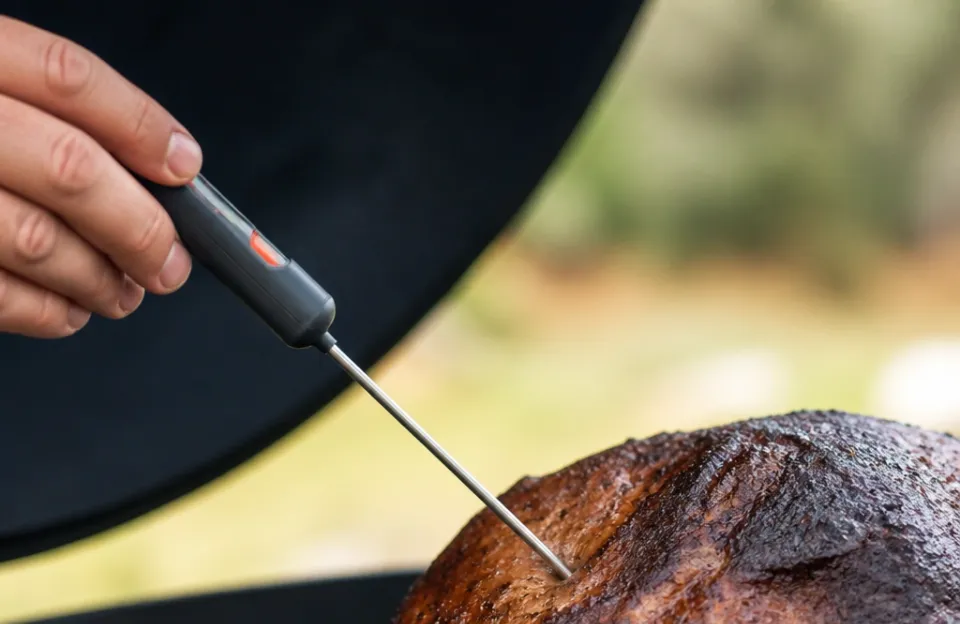
The most reliable way to check is with a fork. Press the tine into the thickest part of the potato. If it slides in without any resistance and the potato feels tender, it is done.
If you feel a hard core in the center, it needs more time.
Can I cook sweet potatoes and white potatoes together?
Technically, yes, but their cooking times differ. White potatoes are generally denser and may take longer than sweet potatoes. If you mix them, ensure they are cut to the same size, but be prepared to pull the sweet potato pieces out early if they start to get soft before the white potatoes are finished.
Should I peel the sweet potatoes before air frying?
It is entirely up to your preference. The skin of a sweet potato is thin, nutritious, and perfectly edible. If you are making cubes, keeping the skin on adds a nice texture and helps the pieces hold their shape.
Just be sure to scrub them well under running water to remove any dirt.
Do I need to soak sweet potatoes before putting them in the air fryer?
Soaking is usually done for white potatoes to remove excess starch and ensure they get crispy. While you can soak sweet potato cubes for 30 minutes to achieve a slightly crispier edge, it is not strictly necessary. If you do soak them, make sure they are completely dried off before tossing them in oil.
What is the best temperature for air frying sweet potatoes?
Most recipes work best between 375°F and 400°F. Use 400°F if you want a faster cook with a crispy exterior. Use 375°F or 380°F if you are cooking larger, thicker chunks or a whole potato and want to ensure the interior is perfectly soft without the outside burning.
Before you go
Mastering the air fryer for root vegetables is all about understanding the relationship between size and heat. Once you get a feel for how long your specific air fryer takes to crisp up a one-inch cube versus a whole potato, the process becomes incredibly consistent. Stick to the basic timing guidelines, keep your cuts uniform, and don't be afraid to pull the basket out to check on progress a few minutes before the timer goes off.
It is better to check early and add time than to find a charred batch that you can't save. Experiment with different seasonings like smoked paprika or chili powder, but remember to keep the sweet glazes for the very end of the cycle to keep the flavors fresh and the texture perfect.