When you want to know how long to cook turkey tenderloin in the air fryer, the answer is consistently between 20 and 25 minutes at 375°F. Because turkey tenderloin is a lean cut of meat, this quick air-frying method works exceptionally well to keep it juicy while developing a nicely browned exterior. You should always aim for an internal temperature of 165°F to ensure it is safe to eat, according to food safety guidelines from the United States Department of Agriculture.
This guide walks you through the exact process for getting perfect results, including how to handle different seasonings, when to flip your tenderloin, and how to tell for certain when it has finished cooking.
Why the air fryer is perfect for turkey tenderloin
The air fryer excels at cooking turkey tenderloin because it replicates the effects of a convection oven on a smaller, more efficient scale. Traditional roasting in a full-sized oven often takes longer, which can lead to the meat drying out before it reaches the center. Since turkey tenderloin is essentially a long, narrow muscle without much fat or connective tissue, it is highly susceptible to becoming tough if overcooked.
Air circulation is the secret here. By pulling hot air rapidly around the tenderloin, the air fryer creates a subtle crust that locks in moisture. You end up with a texture that is tender on the inside and slightly crisp on the outside, a combination that is difficult to achieve with simple pan-searing or slow roasting.
It is a straightforward task that saves time on busy weeknights without requiring you to heat up your entire kitchen.
What you’ll need for the best results
You do not need specialized equipment, but having a few basic tools will make the job much easier. Most modern air fryers work similarly, so the specific brand does not usually change the required cooking time significantly.
- Digital meat thermometer: This is the most important tool in your kitchen for this task. It is the only way to verify the internal temperature of the meat accurately.
- Olive oil or cooking spray: A light coating helps seasonings stick and assists in browning the surface.
- Seasonings: Your choice of salt, pepper, garlic powder, onion powder, paprika, or dried herbs.
- Tongs: For safely flipping the tenderloin halfway through the cooking process.
- Air fryer: Any standard basket-style or toaster-oven-style air fryer works fine.
Step-by-step instructions for air-frying turkey tenderloin
The process is consistent regardless of the specific marinade or dry rub you choose. Follow these steps to ensure even cooking and the best possible flavor.
- Preheat the air fryer: Set your unit to 375°F and let it run for about three to five minutes. This ensures the basket is hot, which prevents the meat from sticking and gets the browning process started immediately.
- Prepare the meat: Remove the turkey tenderloin from the refrigerator about 15 minutes before you plan to cook it. Pat the exterior completely dry with paper towels. Excess moisture on the surface creates steam, which keeps the meat from browning properly.
- Season the tenderloin: Brush the tenderloin lightly with olive oil or spray it with a thin layer of oil. Apply your chosen dry rub or salt and pepper generously to all sides. Massaging the spices into the meat helps the flavors penetrate better.
- Place in the air fryer: Lay the tenderloin in the air fryer basket. If your basket is small, ensure the meat is not touching the sides too tightly to allow for air flow.
- Cook for 10 minutes: Start the air fryer and let it cook at 375°F for the first 10 minutes.
- Flip the meat: Carefully open the basket and use tongs to flip the tenderloin over. This ensures the bottom side gets as much exposure to the heat as the top.
- Cook for an additional 10 to 15 minutes: Continue cooking. Check the temperature after 10 minutes of the second stage.
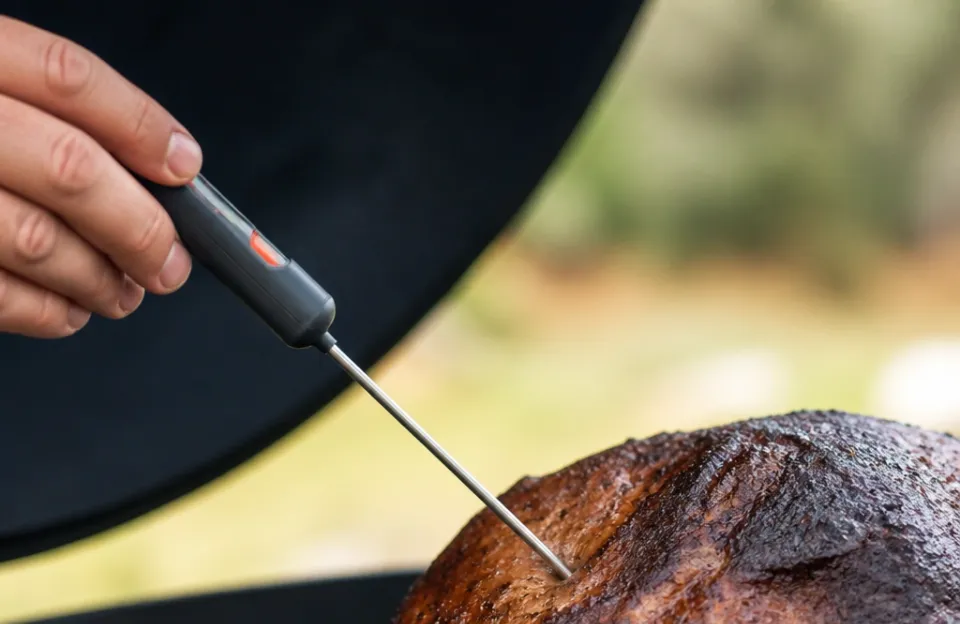
- Check for doneness: Insert your meat thermometer into the thickest part of the tenderloin. You are looking for a reading of 165°F. If it is lower, cook in two-minute increments until it reaches that number.
- Let it rest: Once finished, remove the meat to a cutting board and let it rest for five to ten minutes before slicing. Resting allows the juices to redistribute throughout the fibers of the meat.
How different sizes affect cook time
Not all turkey tenderloins are the same size. Most store-bought packages contain tenderloins that weigh between 0.75 and 1.5 pounds. If you have a particularly large tenderloin, you might need to adjust your expectations regarding time.
A smaller piece (under 1 pound) may reach the target temperature closer to the 18-minute mark. A larger piece, or one that is quite thick, may require up to 25 or 28 minutes. Regardless of what the timer says, the thermometer is the final authority.
If the tenderloin is very long, you can cut it in half so it fits comfortably in the basket, which often helps it cook more evenly.
The importance of the thermometer
It is tempting to rely on cook time alone, but that is a common mistake. Variations in air fryer power and the actual thickness of the turkey meat mean that 20 minutes in one machine might yield a different internal temperature than 20 minutes in another.
When you check the temperature, insert the probe into the center of the thickest part. Avoid touching the bone if there is one, though tenderloins are usually boneless. If you notice the outside is browning too quickly before the center is cooked, you can lower the heat to 350°F for the final few minutes of the process.
Common mistakes and how to avoid them
Even though this is a simple process, a few minor errors can lead to a less-than-ideal dinner. Here is what to watch out for to ensure your turkey stays moist.
- Skipping the resting phase: If you slice into a hot turkey tenderloin immediately, the juices will run out onto the board instead of staying in the meat. Resting is non-negotiable for tender results.
- Overcrowding the basket: If you are cooking multiple tenderloins, make sure they aren't piled on top of each other. Air needs to circulate around the entire surface of the meat.
- Using too much sugar in a rub: If your seasoning mix has a lot of brown sugar or maple crystals, it will likely burn at 375°F before the turkey is finished cooking. If you want a sweet glaze, add it during the last three minutes of the cooking cycle.
- Forgetting to dry the meat: Surface moisture is the enemy of a nice exterior texture. Always use a paper towel to remove excess dampness before applying oil and spices.
Troubleshooting common issues
If you find that your turkey tenderloin is coming out consistently dry, check these two areas first.
First, verify that your meat thermometer is calibrated correctly. You can do this by placing it in a glass of ice water; it should read close to 32°F. If your thermometer is reading incorrectly, you might be overshooting your target temperature without realizing it.
Second, consider the cut of the meat itself. Some turkey tenderloins come pre-seasoned or brined from the grocery store. These often contain extra sodium, which can draw moisture out of the meat if cooked for too long.
If you are using a pre-seasoned variety, reduce your cooking time by two or three minutes to account for the salt content.
Making your own marinade or rub
Because turkey has a relatively mild flavor, it is an excellent base for a wide variety of spices. A basic rub is often enough to create a great meal, but you can get creative depending on your preferences.
For a savory, herb-forward flavor, mix dried thyme, rosemary, sage, and a little black pepper with olive oil. For a smoky flavor, use a blend of smoked paprika, garlic powder, and a dash of cayenne. If you prefer a wet marinade, you can soak the tenderloin in a mixture of soy sauce, ginger, and a little honey for up to four hours before cooking.
Just remember to wipe off any excess marinade before placing it in the air fryer to prevent burning.
Comparing turkey tenderloin cooking methods
While the air fryer is efficient, you might wonder how it stacks up against other standard kitchen methods. Each approach has its own benefits regarding texture and effort.
| Method | Time Required | Typical Result |
|---|---|---|
| Air Fryer | 20–25 minutes | Crispy exterior, very moist |
| Oven Roasting | 35–45 minutes | Uniform cooking, requires longer wait |
| Pan-Searing | 15–20 minutes | High browning, requires constant attention |
| Slow Cooking | 4–6 hours | Extremely tender, less browning |
The air fryer offers the best balance of speed and texture. Oven roasting is better if you are cooking for a large group and need to fit multiple pieces at once, but the air fryer wins for small to medium-sized portions where you want dinner on the table quickly.
Frequently asked questions
How can I tell if the turkey tenderloin is definitely done?
The only reliable way to know is by using a food thermometer. You are looking for an internal temperature of 165°F at the thickest part of the meat. When you pull the thermometer out, the juices should run clear, and the meat should be opaque throughout.
Should I marinate the turkey before air frying?
You can marinate it, but it isn't strictly necessary. If you choose to use a marinade, ensure you pat the exterior of the turkey dry before putting it in the air fryer. If the meat is too wet, it will steam instead of browning, which results in a pale and less flavorful crust.
Can I cook frozen turkey tenderloin in the air fryer?
It is technically possible, but it is not recommended for the best results. Cooking from frozen often leads to an unevenly cooked piece of meat where the outside is overdone before the inside reaches a safe temperature. If you must use frozen meat, lower the temperature to 350°F and increase the cooking time by about 50%, checking the internal temperature frequently.
Is turkey tenderloin the same as turkey breast?
No, they are different parts of the bird. The tenderloin is a specific muscle found on the underside of the breast. It is much smaller, leaner, and more tender than a whole turkey breast.
Because it is so lean, it cooks much faster, which is why the air fryer is such a good match for it.
Do I need to flip the tenderloin halfway through?
Yes, flipping is important. The heating element in an air fryer is typically located above the basket. Flipping the tenderloin halfway through ensures that the bottom side receives enough heat to brown properly and that the entire piece cooks through at the same rate.
Before you go
Mastering the air fryer for lean cuts like turkey tenderloin is all about respecting the temperature. By keeping your heat at 375°F and relying on your thermometer rather than just the clock, you eliminate the guesswork that leads to dry meat. It is a reliable, fast, and healthy way to prepare a protein that is often overlooked in favor of chicken.
Whether you stick to a simple salt-and-pepper rub or experiment with complex marinades, the fundamental timing remains the same, making this a dependable recipe for your weekly meal rotation.