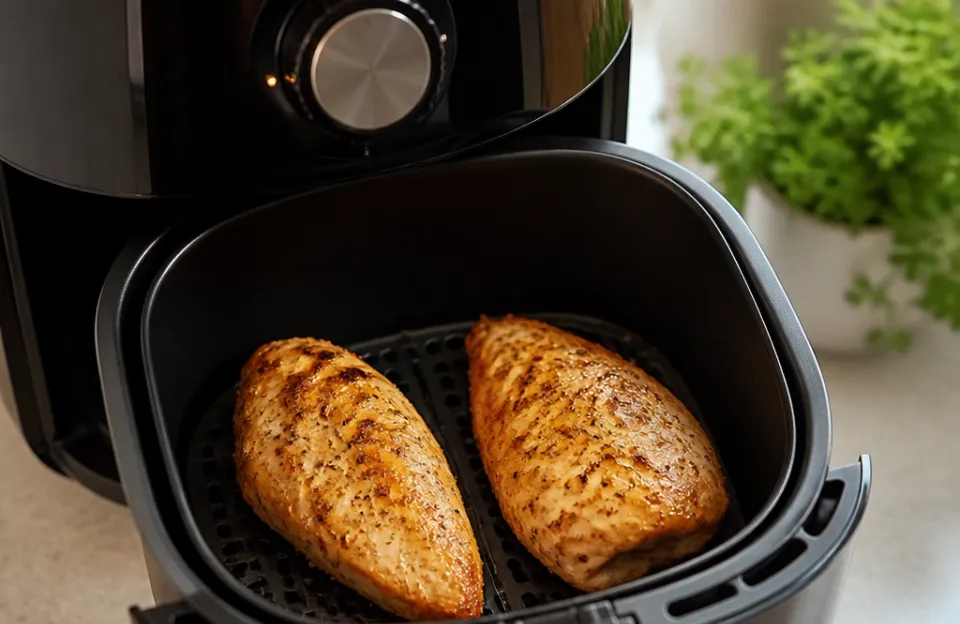
Cooking premade hamburger patties in an air fryer is one of the fastest and cleanest ways to get dinner on the table. You generally need to cook them at 375°F for 10 to 14 minutes, depending on the thickness of the patty and your preferred level of doneness. Because air fryers use a powerful convection fan to circulate heat, they often cook meat faster than a traditional oven or a stovetop skillet.
This method is popular because it minimizes the mess of grease splattering on your stove while ensuring the patties get a nice, browned crust. Whether you are working with frozen patties straight from the freezer or fresh ones from the refrigerator, the process is straightforward once you understand how the timing changes based on temperature and meat density.
Understanding air fryer cooking times for burgers
The biggest factor in determining how long your premade hamburger patties need to stay in the air fryer is their starting temperature. A frozen patty requires more time to thaw and cook through than a fresh one. If you put a cold, fresh patty in the air fryer, you will find it finishes much faster because the heat does not have to work as hard to raise the internal temperature from freezing to safe eating levels.
The United States Department of Agriculture recommends cooking ground beef to an internal temperature of 160°F to ensure harmful bacteria are destroyed, according to official food safety guidelines. Using a meat thermometer is the most reliable way to verify your burgers are done, regardless of what the timer says on your air fryer. Relying on visual cues like the color of the meat can be misleading, as some beef browns faster or slower depending on its fat content and the way it was processed.
Cooking fresh premade hamburger patties
When you start with fresh, refrigerated patties, you are looking at a shorter cooking window. Most standard-sized patties, which are about a half-inch thick, need roughly 8 to 10 minutes at 375°F. You should flip the patties halfway through the process to ensure even browning on both sides.
- Preheat your air fryer to 375°F for about 3 minutes.
- Place the patties in the basket in a single layer, ensuring they do not overlap.
- Cook for 4 minutes, then flip the patties using tongs.
- Cook for another 3 to 5 minutes.
- Check the internal temperature with a digital meat thermometer.
- Remove the patties once they reach 160°F and let them rest for 2 minutes before serving.
The rest period is important because it allows the juices to redistribute throughout the meat. If you cut into the burger immediately after taking it out of the air fryer, you will lose a significant amount of moisture, leading to a dry texture.
Cooking frozen premade hamburger patties
Frozen patties require a different approach because they need to thaw during the initial phase of the cooking cycle. You should not attempt to cook them at too high a temperature immediately, or you might end up with a charred, burnt exterior while the center remains raw or frozen.
Many people find that starting at 350°F for the first 5 minutes helps the burger thaw gently. After that, you can increase the heat or simply continue at that temperature for an additional 8 to 10 minutes.
- Preheat the air fryer to 350°F.
- Place the frozen patties in the basket.
- Cook for 5 minutes to allow for thawing.
- Flip the patties and increase the temperature to 375°F.
- Cook for another 8 to 10 minutes until the internal temperature reaches 160°F.
If your frozen patties are particularly thick, you may need to add an extra minute or two. Always monitor the progress after the 12-minute total mark if you are unsure about the thickness of your specific brand of patties.
Comparison of cooking variables
The following table outlines how different variables impact the total cooking time for standard burger patties.
| Patty State | Temp | Total Time | Notes |
|---|---|---|---|
| Fresh (1/2 inch) | 375°F | 8–10 mins | Needs flipping halfway |
| Fresh (thick) | 375°F | 10–12 mins | Check center carefully |
| Frozen (1/2 inch) | 350°F -> 375°F | 13–15 mins | Start low to thaw |
| Frozen (thick) | 350°F -> 375°F | 15–18 mins | Longer thaw required |
Why the air fryer is different from a grill
The primary difference between an air fryer and a traditional grill is how the heat is applied to the meat. A grill provides direct radiant heat from below, which can cause flare-ups and uneven charring if the fat drips onto the heat source. An air fryer uses a fan to push superheated air around the entire surface of the patty simultaneously.
This creates a more consistent "oven-roasted" effect on the exterior of the burger. While you will miss out on the specific smoky flavor profile of a charcoal or gas grill, you gain a significantly more reliable result in terms of doneness. You will not have to worry about cold spots in the middle of your patty, which is a common frustration when cooking thick burgers on a crowded grill.
Handling grease and airflow
One of the most important things to keep in mind when cooking burgers is the amount of grease produced. If your air fryer basket has a removable tray, you might notice that smoke starts to build up as the fat drips onto the bottom of the unit.
To help mitigate this, you can place a small slice of bread or a small amount of water at the very bottom of the air fryer, underneath the tray, to catch the grease and prevent it from smoking. However, check your manufacturer's manual first to ensure this is safe for your specific model. Proper airflow is essential for the "air fry" function to work; if you block the air circulation with foil or parchment paper, the cooking time will increase, and the results will be less crispy.
Common mistakes when air frying burgers
Even with a simple process, it is easy to make a few errors that change the quality of your meal. Recognizing these early will save you from frustration and dry burgers.
- Overcrowding the basket: If the patties are touching or overlapping, the air cannot reach the sides of the meat. This leads to steaming rather than browning. Always cook in a single layer with enough space for air to move.
- Forgetting to preheat: Many people skip the preheat step. Preheating ensures the air fryer is at the target temperature the moment the meat hits the basket, which is vital for developing a crust.
- Not using a thermometer: Relying on the clock rather than the internal temperature of the meat is the fastest way to serve an undercooked or overcooked burger. Always confirm with a thermometer.
- Using too much seasoning too early: Some dry rubs contain high sugar content that can burn quickly in the intense heat of an air fryer. Add delicate spices or glazes in the final minute of cooking to avoid a bitter, charred taste.
Selecting the right patties for air frying
When buying premade patties, look at the fat percentage on the packaging. An 80/20 mix is generally considered the best for burgers because the higher fat content keeps the meat juicy during the high-heat cooking process. If you choose a very lean meat, like 90/10 or higher, the burger is likely to dry out very quickly in the air fryer.
Because air fryers essentially bake the meat, there is no "basting" happening in its own juices like you might get in a pan. The fat content is the only thing standing between you and a dry, crumbly burger. If you find your local store only offers lean patties, you might want to brush them with a tiny amount of oil before putting them into the air fryer to help maintain moisture.
How to manage thicker, gourmet-style patties
If you have purchased thicker, butcher-style patties, you must adjust your strategy. A one-inch thick patty will not cook through at 375°F before the outside becomes unpleasantly dark.
Lower the temperature to 350°F and extend the cooking time. You might need 16 to 20 minutes for a very thick, fresh patty. The goal is to cook the meat slowly enough that the center reaches 160°F while the exterior develops a nice mahogany color.
You will definitely want to flip these at least once, or even twice, to ensure the middle cooks evenly.
Frequently asked questions
Can I put cheese on the burger inside the air fryer?
You can add a slice of cheese, but do it only during the final 60 to 90 seconds of cooking. If you add it too early, the air circulation fan will likely blow the cheese right off the patty and into the heating element or the basket, creating a mess. Wait until the burger is essentially finished, place the cheese on top, and give it just enough time to melt.
Is it necessary to flip the burger?
Yes, flipping is necessary because the heat source in most air fryers is located above the food. While the air circulates, the top of the patty will always receive more intense heat than the bottom. Flipping ensures that both sides develop that desirable crust and that the patty cooks evenly from both directions.
What should I do if my air fryer starts smoking?
Smoking is almost always caused by excess grease pooling in the bottom of the basket and reaching the high-heat element. If you notice smoke, stop the unit, carefully remove the basket, and drain the grease. You can also add a tablespoon of water to the bottom of the basket, below the grill grate, to help catch the dripping fat and cool it down before it burns.
Do I need to use oil or cooking spray?
For most premade patties, you do not need extra oil because they already contain enough fat to prevent them from sticking. However, if your patties are very lean or if you are worried about them sticking to the basket, a very light spritz of non-stick cooking spray is fine. Avoid using aerosol sprays directly on the basket surface if the manufacturer says it will damage the non-stick coating.
How do I know if my burger is done without a thermometer?
While a thermometer is the only truly safe way to be sure, you can press the center of the patty with a spatula. If it feels very soft and gives way easily, it is likely still rare or raw. If it has a firm, springy resistance, it is generally reaching medium or medium-well.
However, because ground beef is processed, it is always safer to use a digital thermometer to confirm the internal temperature reaches 160°F.
Before you go
Air frying your burgers is a reliable way to get a consistent, juicy result without the cleanup associated with traditional pan-frying. By focusing on the internal temperature of the beef and giving your patties enough space for airflow, you will find that the convenience of this method becomes a go-to for quick weekday dinners. Remember to treat your air fryer like a small, high-powered convection oven, and you will get great results every time.