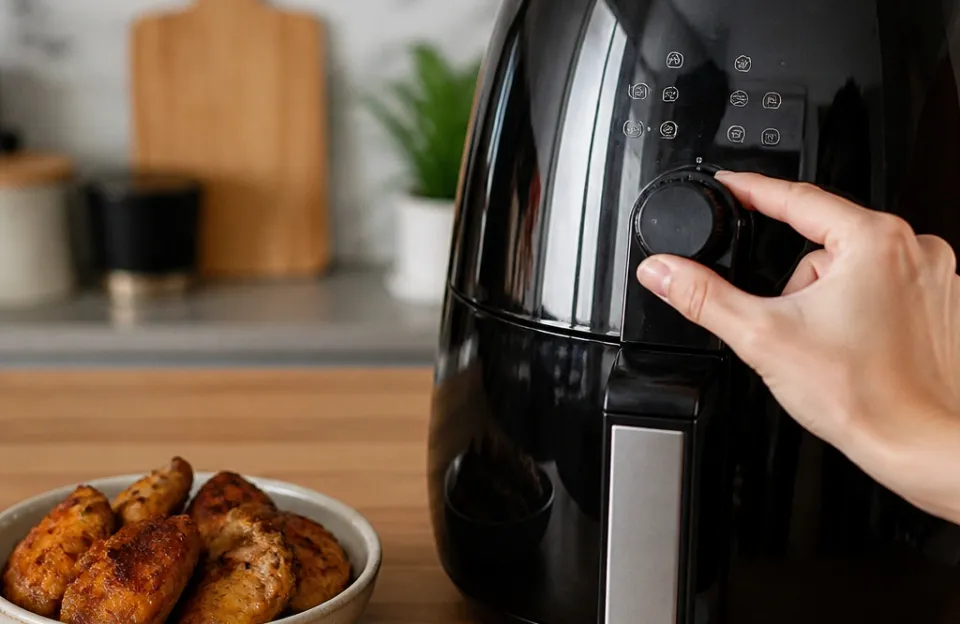
Reheating Wingstop wings in an air fryer is the most effective way to restore their original texture. If you have leftover wings from a takeout order, you want to avoid the microwave at all costs, as it will turn your crispy skin into rubber. The air fryer mimics the heat distribution of a deep fryer, effectively crisping the skin while warming the meat through without drying it out.
To get the best results, you need to set your air fryer to a moderate temperature and focus on even spacing. Generally, it takes about 6 to 10 minutes to reach the perfect temperature, depending on the size of your air fryer and how many wings you are reheating at once. This process works for both bone-in traditional wings and boneless wings, though bone-in wings usually require a couple of extra minutes of heat to ensure the center reaches a safe temperature.
Why the air fryer is superior for leftovers
The air fryer works by circulating hot air at high speeds around the food. This movement of air is the key to maintaining that signature crunch that Wingstop wings are known for. When you use a microwave, the water molecules in the meat vibrate so quickly that they create steam inside the skin, leading to a soggy, chewy mess.
In contrast, an air fryer removes excess moisture from the surface of the skin while keeping the interior juicy.
Because Wingstop wings are tossed in a variety of sauces, from the buttery Garlic Parmesan to the sticky Mango Habanero, you are dealing with different sugar and fat contents. The air fryer handles these sauces better than an oven because the heat is more intense and localized. While a conventional oven might take 20 minutes to preheat and another 15 minutes to warm the wings, an air fryer gets to work almost instantly.
This rapid heating prevents the meat from overcooking and becoming tough.
How to reheat Wingstop wings in an air fryer
Reheating your wings correctly is a straightforward task, but following a few specific steps will ensure you don't burn the sauce or leave the middle cold. You don't need any special equipment beyond the air fryer itself.
1. Let the wings sit
If you are pulling the wings straight from the refrigerator, let them sit on the counter for about 10 minutes before putting them in the basket. Bringing the meat closer to room temperature allows it to heat more evenly throughout. If you skip this, the exterior might get hot while the area near the bone stays cold.
2. Arrange for airflow
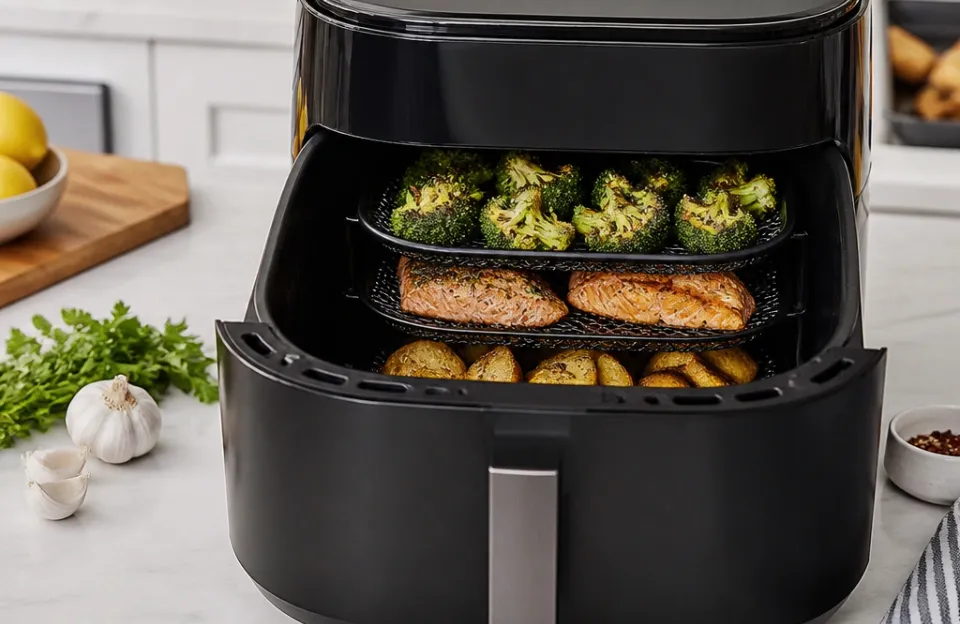
Avoid stacking the wings on top of each other. Airflow is the mechanism that makes the air fryer effective, so you need to provide enough space for the air to circulate around each piece of chicken. If you have a large batch, it is better to reheat them in two separate rounds rather than overcrowding the basket.
3. Set the temperature
Most air fryers perform best for reheating at 350°F. If you set it higher, like 400°F, you risk burning the sauce before the inside is hot, especially if the sauce has high sugar content like the BBQ or Mango Habanero flavors. 350°F is the sweet spot for gently warming the chicken while refreshing the crispiness of the skin.
4. Monitor the timing
Start your timer at 6 minutes. After 6 minutes, open the basket and check the wings. If they are not as hot as you would like, give them another 2 to 3 minutes.
Total time rarely exceeds 10 minutes unless you are reheating a very large quantity.
5. Final toss
If you want that fresh-out-of-the-fryer experience, you can toss the wings in a small amount of extra sauce after they come out of the air fryer. The heat from the reheating process will help the new layer of sauce adhere to the skin.
Timing breakdown by wing type
The density of the meat and the presence of a bone change how heat moves through the wing. Below is a quick guide to help you gauge your timing.
| Wing Type | Recommended Temp | Estimated Time |
|---|---|---|
| Bone-in (Traditional) | 350°F | 8–10 Minutes |
| Boneless Wings | 350°F | 6–8 Minutes |
| Extra Crispy Request | 375°F | 7–9 Minutes |
When dealing with bone-in wings, the thermal mass is higher. The bone acts as a heat sink, meaning it absorbs energy and keeps the surrounding meat cooler for longer. This is why bone-in wings usually need that extra minute or two compared to boneless pieces.
If you notice your wings are getting too dark but still feel cold in the center, turn your air fryer down to 325°F and add a few minutes to the total time.
Dealing with sauce varieties
Wingstop offers a wide spectrum of flavors, and some are more sensitive to heat than others. Creamy sauces like Garlic Parmesan contain fats that can separate or brown quickly under high heat. If you are reheating these, keep a closer eye on them after the 5-minute mark.
If you see the edges of the wing starting to char too quickly, remove them immediately.
Dry rubs, such as the Lemon Pepper seasoning, are the easiest to reheat. Because there is no thick, sugary glaze, you don't have to worry about the sauce caramelizing or burning. You can actually push these a little closer to the 10-minute mark if you prefer them extra crispy.
The heat helps the oils in the seasoning reactivate, which can make the wings taste almost as good as they did when they were fresh.
Safety considerations for reheating
According to the United States Department of Agriculture, you should reheat cooked leftovers to an internal temperature of 165°F to ensure they are safe to eat. While the air fryer is excellent at getting the outside hot, the inside temperature can sometimes lag behind. If you are ever in doubt, use a digital meat thermometer.
Stick the probe into the thickest part of the wing, making sure not to hit the bone, which can give you a false reading.
Avoid reheating your wings more than once. Every time you cool down cooked meat and reheat it, you increase the risk of bacterial growth and compromise the quality of the protein. Only reheat the amount you plan to eat in that sitting.
Common mistakes to avoid
- Overcrowding the basket: This is the most common error. When wings touch, the steam gets trapped between them, creating soggy spots that will never get crispy.
- Using high heat: Cranking the air fryer to the maximum setting (often 400°F or higher) will scorch the sugar in the sauces long before the meat is warm.
- Ignoring the rack: If your air fryer came with a rack, use it. It elevates the wings and allows hot air to hit the bottom of the chicken, which helps prevent the underside from getting soft.
- Microwaving first: Many people try to "speed things up" by microwaving for a minute before putting the wings in the air fryer. This starts the process of making the breading or skin soggy, which the air fryer will have a hard time fixing.
Frequently asked questions
Should I add oil before reheating?
You generally do not need to add extra oil to Wingstop wings. They are already cooked in deep-fryer oil, and they usually retain enough fat to crisp up on their own. Adding more oil might just lead to a greasy finish.
If you find the wings are extremely dry, a very light spritz of cooking spray might help, but it is rarely necessary.
Can I reheat wings wrapped in foil?
Do not wrap your wings in foil while reheating them in an air fryer. The point of the air fryer is to move air around the food. Foil acts as a barrier, trapping steam and preventing the hot air from reaching the skin.
You want the wings exposed to the circulating air to maintain their texture.
What if I have a large amount of wings?
If you have a dozen or more wings, do not try to cram them all into the basket. Air fryers work on convection, which depends entirely on space. If you fill the basket, the air can't move, and you will end up with some wings that are burnt and others that are lukewarm.
Reheat in batches, or use your oven if you have a massive amount of wings to handle.
Why do my wings get dry after reheating?
Wings dry out when they are left in the heat for too long. If you hit the 10-minute mark and they are still cold, your air fryer might be underpowered, or you are trying to reheat too many at once. Always check for doneness at the 6-minute mark to ensure you catch them the moment they reach the ideal temperature.
Can I mix different wing flavors in the same batch?
You can, but be mindful of the sauces. If you mix a sweet sauce with a spicy, savory one, the flavors might bleed together slightly. Also, if one wing has a very heavy, sugary glaze and the other is a dry rub, the glaze might start to burn while the dry rub is perfectly fine.
It is better to group them by type if possible.
The bottom line
The secret to reviving Wingstop wings is patience and airflow. By using a moderate temperature of 350°F and avoiding the temptation to crowd your air fryer basket, you can bring your leftovers back to life with a satisfying crunch. Remember to treat your wings like a fresh meal, focusing on the internal temperature to ensure safety without sacrificing the moisture of the meat.
Whether you are dealing with classic bone-in wings or boneless bites, the air fryer remains the most reliable tool in your kitchen for preventing the dreaded soggy-wing disappointment of microwave reheating. Keep the batches small, check your progress midway, and you will find that these leftovers can taste just as good as the first time.