When you are looking at types of glass for kitchen cabinets, you are really balancing two things: how much you want to hide and how much you want to highlight. Glass cabinet doors break up the solid, heavy look of wood or laminate cabinetry, adding a sense of depth and openness to your kitchen. However, the choice of glass dictates whether your cabinets look like a curated display case or a cluttered pantry.
You can choose from a wide range of glass options, from completely transparent sheets that show off every detail inside to heavily textured or opaque varieties that obscure the contents while still catching the light. Selecting the right type depends on your storage habits, the overall kitchen design, and how much maintenance you are willing to perform.
Clear glass for maximum display
Clear glass is the most traditional choice for kitchen cabinet doors. It offers a completely unobstructed view of the items inside, which is ideal if you have a collection of fine china, colorful glassware, or neatly organized stacks of plates. Because there is no distortion, the interior of your cabinet becomes part of the room’s decor.
This option works best in kitchens where you can maintain a high level of organization. If your cupboards are filled with mismatched food containers or plastic storage, clear glass will put that disorganization on full display. Most homeowners who opt for clear glass choose to install interior cabinet lighting to enhance the professional, high-end look of their dish displays.
Maintenance for clear glass is relatively straightforward, but it is constant. You will notice fingerprints, splashes, and dust almost immediately. A simple streak-free glass cleaner and a microfiber cloth are usually all you need to keep it looking sharp.
If you have children or pets, prepare for more frequent cleaning cycles to remove smudges from the lower panels.
Frosted glass for a soft, uniform look
Frosted glass is treated to create an opaque, matte finish that hides the items stored behind the cabinet doors. Instead of seeing specific objects, you see soft shapes and silhouettes. This is a common choice for modern or minimalist kitchens because it adds texture and a clean, consistent look without requiring you to perfectly style your dishware.
The process of frosting usually involves sandblasting or acid-etching the surface of the glass. This creates a permanent finish that won’t peel or wear away over time. Because the glass is semi-opaque, it effectively masks clutter.
You get the benefit of a lighter, airier kitchen feel without the pressure of displaying your pantry staples.
One notable benefit of frosted glass is that it reflects light differently than clear glass. It catches ambient light and disperses it, which can help brighten a dark corner of the kitchen. While fingerprints are less obvious on frosted glass than on clear glass, they can still show up as darker patches.
You should avoid using heavy oil-based cleaners, as these can leave permanent shadows on the etched surface.
Seeded glass for a vintage or cottage aesthetic
Seeded glass features tiny, air-like bubbles trapped within the glass pane. These bubbles, or "seeds," vary in size and density depending on the manufacturer. This style mimics the look of hand-blown, antique glass, making it a perfect fit for farmhouse, cottage, or traditional kitchen designs.
The primary function of seeded glass is to provide visual interest and a slight degree of obscuration. It isn't as transparent as clear glass, but it isn't as opaque as frosted glass either. The bubbles create a distorted, pleasant texture that draws the eye to the glass itself rather than the contents of the cabinet.
Because of the texture, seeded glass is remarkably forgiving. It hides small dust particles and fingerprints much better than a smooth, clear pane. It is a popular choice for homeowners who want a bit of decorative flair in their kitchen but don't want the stress of keeping the cabinet interiors spotless for guests.
Leaded and stained glass for architectural character
Leaded glass, often associated with historical homes, involves small panes of glass held together by lead or metal cames. You can find these in various patterns, from simple grids to intricate geometric or floral designs. This type of glass is essentially a decorative architectural element, often used as a focal point in a kitchen island or a dedicated hutch.
Stained or colored glass is less common in contemporary kitchen cabinets but can be used as a striking accent. Whether it is a subtle tint or a bold color, it changes the way light enters the cabinet. This choice is usually reserved for custom cabinetry or specific artistic kitchen designs rather than general storage.
Because these options involve metal joints or intricate segments, they are significantly harder to clean than a single pane of glass. Dust and grease can accumulate in the grooves where the glass meets the metal. You will need a soft-bristled brush or a vacuum attachment to keep the detailing free of grime, as standard wiping might leave fibers stuck in the lead work.
Reeded and ribbed glass for a textured, modern finish
Reeded or ribbed glass features vertical, semi-cylindrical grooves running across the surface. This creates a linear, pleated look that is very popular in current interior design trends. It offers a sophisticated way to blur the contents of your cabinets while adding vertical lines to the kitchen’s visual rhythm.
The distortion effect of reeded glass is highly effective at hiding clutter. When looking at the cabinet, your eyes perceive long, distorted streaks of color from the items inside rather than sharp details. This makes it an excellent choice for a busy kitchen where you want a sleek, modern aesthetic without giving up practical, everyday storage.
Like other textured options, reeded glass is easier to keep looking clean than clear glass. However, you should be aware of the orientation. While most people use vertical reeds to emphasize height, horizontal reeds can create a wider, more grounded feel.
Think about the style of your cabinet hardware and overall kitchen geometry before deciding on the direction of the grooves.
Tempered glass for safety and durability
Regardless of the style you choose, most interior design and construction professionals recommend using tempered glass for all kitchen cabinets. Tempered glass is a type of safety glass that has been heat-treated to be four to five times stronger than standard annealed glass. If it does break, it crumbles into small, dull-edged cubes rather than sharp, dangerous shards.
Many cabinet manufacturers provide tempered glass as a standard, but if you are working with a custom glass shop or doing a DIY refacing project, it is worth confirming the type of glass you are buying. According to standards set by the Consumer Product Safety Commission, safety glazing is essential in high-traffic areas and areas where breakage could cause significant injury.
Using tempered glass is especially important if your cabinets are near the floor, near the oven, or if you have young children in the home. It is a one-time investment in safety that doesn't change the appearance of the glass, but it significantly improves the longevity of your kitchen fixtures.
Considerations for choosing the right type
When deciding which glass is right for your kitchen, think about your lifestyle. If you enjoy hosting and want to display your best sets, go for clear. If you use your kitchen heavily and want a lower-maintenance, tidy look, look toward frosted or reeded glass.
Another factor is your lighting setup. If you plan on adding LED strip lighting inside your cabinets, keep in mind that frosted and reeded glass will diffuse that light, creating a soft, ambient glow. Clear glass will transmit the light directly, which might create hotspots if your light source is too bright.
Finally, consider the weight and installation method. Heavier textured glasses may require sturdier hinges or more robust cabinet frames. If you are retrofitting existing cabinets, ensure your current hardware can handle the weight of the glass you choose, especially if you move from thin plastic inserts to thick, decorative glass panes.
Common myths and mistakes
Many homeowners make the mistake of choosing a glass type based solely on a small showroom sample. A 4×4 inch square of glass looks very different from a 24-inch cabinet door.
- The "Clutter" Mistake: Don't assume you can use clear glass if you know your cabinets are packed with mismatched items. The glass acts as a window; it will not hide your mess.
- The Cleaning Myth: Some people believe textured glass never needs cleaning. While it hides smudges well, grease and dust still accumulate. You will still need to wipe it down, just less frequently than clear glass.
- The Frame Thickness Issue: Ensure you measure the thickness of the frame groove. If you order glass that is too thick, it won't fit into the cabinet door rails. If it's too thin, it will rattle when you open and close the door.
- Overlooking Reflectivity: Very high-gloss, clear glass acts like a mirror in dark rooms. If you are worried about the room looking too "busy" or reflecting too much glare from windows, a matte or frosted finish is usually a better alternative.
Frequently asked questions
How do I measure a cabinet door for replacement glass?
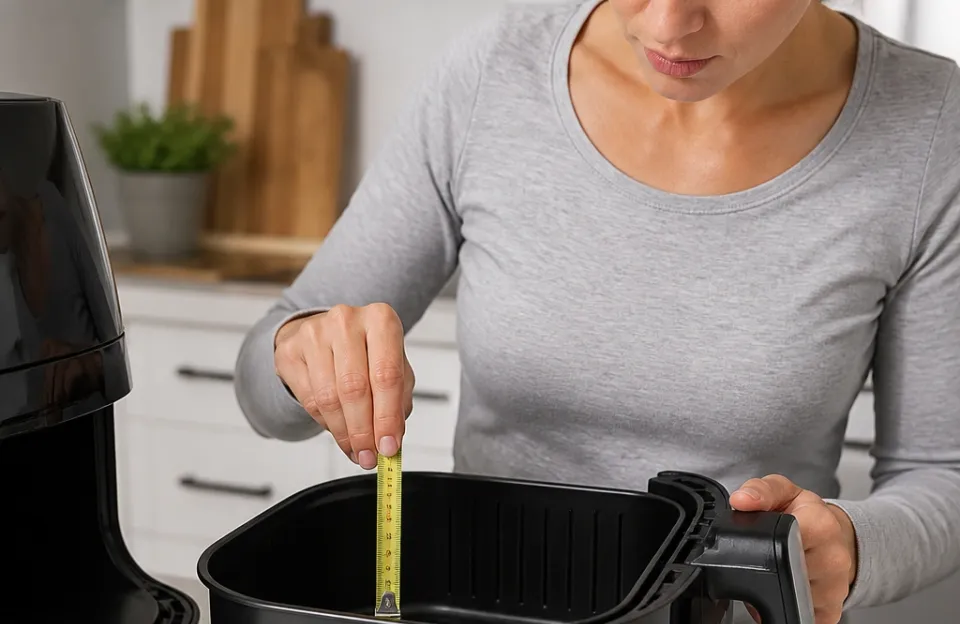
Measure the opening on the inside of the cabinet door frame. You should measure the height and width of the recess where the glass sits. It is best to subtract about 1/8 of an inch from both the height and width to allow for thermal expansion and to make installation easier.
Always measure in multiple places to ensure the frame is perfectly square.
Is there a difference between real glass and acrylic inserts?
Yes, the difference is significant. Glass is heavy, scratch-resistant, and maintains its clarity for decades. Acrylic or polycarbonate is lightweight and shatterproof, but it scratches very easily and can yellow over time, especially if it is near a window with direct sunlight or a heat source like a stove.
If you want a long-term, high-quality look, glass is the standard choice.
Can I change my existing cabinet doors to glass?
In most cases, yes, provided you have the right tools. If your cabinet doors have a solid center panel, you can often remove the panel by cutting it out or unscrewing it, and then routing a channel for the glass to sit in. If you are not confident with a router or table saw, many cabinet shops can perform the modification for you if you bring them the doors.
Which glass type is best for hiding messy cabinets?
Frosted glass or heavy textured glass, such as deep-ribbed or rain glass, is the best at masking the interior contents. These types blur the colors and shapes inside so effectively that you can store almost anything behind them without it being visible from across the room.
Does glass cabinet usage affect the resale value of a kitchen?
Generally, high-quality glass door upgrades are seen as a positive feature by potential buyers because they add a custom, luxury feel to a kitchen. However, the style must match the home. Using ultra-modern, industrial-style ribbed glass in a traditional, historical home might look out of place.
Stick to styles that complement your home's architecture.
What is the most durable type of glass for a busy family kitchen?
Tempered glass is the most durable choice. It is resistant to impact and thermal stress, making it the safest option for a kitchen where doors are opened frequently and objects are being moved in and out. Always look for tempered options to ensure your investment is protected against accidental breakage.
Making your final decision
The transition to glass cabinetry changes the entire feel of your kitchen. It transforms a wall of solid, opaque wood into a space with depth and character. When selecting the specific type, focus on the trade-off between visibility and maintenance.
If you appreciate a crisp, organized display, clear glass remains the gold standard. For those who prioritize a clean look without the constant need for curation, frosted and reeded glass offer the perfect solution. Remember to prioritize safety by opting for tempered glass, and take your time with your measurements before placing an order.
Your kitchen cabinets serve as the backbone of your storage, but with the right glass, they can also serve as the centerpiece of your room's design.