Buying a water pitcher that leaves your tap water tasting exactly the same is a huge waste of cash. Brita wins if you just want better taste for cheap, but ZeroWater is the only pick that strips out almost everything. Choose based on what your local water actually needs.
The Fast Answer On Pitcher Filters
Brita uses carbon to fix bad tastes and smells. It does not pull out heavy metals well. ZeroWater uses five layers of resin and carbon to strip out nearly all solids.
You can check your own tap water report at the EPA website to see what is in your pipes. That report tells you which pitcher will stop you from wasting money.
If your water has lead or hard minerals, Brita will let them pass right through. If your water is already safe and just smells like a pool, ZeroWater costs more than you need to spend. Match the tool to the job.
Side By Side Pitcher Specs
| Spec | Brita Standard | ZeroWater 5-Stage |
|---|---|---|
| Filter Type | Carbon block | Ion exchange + carbon |
| Stages | 1 | 5 |
| Capacity | 10 cups | 10 cups |
| Weight Full | ~5 lbs | ~6 lbs |
| TDS Removed | Low | Near 100% |
| Lead Removal | Elite filter only | Yes, standard |
| Speed | Fast pour | Slow drip |
| Meter Included | No | Yes |
A full 10-cup pitcher weighs over 5 pounds. At that weight, it feels solid on the counter. But you will need two hands to lift it safely when pouring into tall pots.
A lighter 6-cup model fits small fridges better. Check how much room you have before you buy. Just like picking the right size liner for cooking baskets, measuring your fridge shelf first saves you a return trip.
What Happens Inside The Water
Brita pitchers use a basic carbon filter. Carbon acts like a sponge for chlorine. It traps chemicals that make water smell bad.
This makes your daily glass taste much better. But carbon alone does not grab dissolved solids. Things like calcium, magnesium, and lead stay in the water.
ZeroWater takes a different path. It forces water through five distinct layers. The first layers catch big bits like rust and dirt.
The middle layers use foam to grab smaller particles. The final layer uses ion exchange resin. This resin pulls heavy metals and minerals out of the water.
The result is water with almost zero total dissolved solids. You get very pure water every time you fill your glass. But this deep cleaning takes a lot of time.
Water drips slowly through the thick resin bed. You will wait much longer for a full pot compared to a basic carbon pitcher.
Real Kitchen Differences Day To Day
Speed matters when you are cooking dinner. Brita filters water fast. You fill the top tray, and it drains down in a few minutes.
This works great for busy kitchens where you need water for pasta or soup right now.
ZeroWater moves at a crawl. The thick resin bed slows the flow to a thin trickle. Filling the bottom reservoir can take ten minutes or more.
If you drink a lot of water during the day, you will refill it constantly. Waiting for that slow drip while cooking gets old fast.
Taste is another big split. Brita leaves some minerals in the water. Many people like this slight mineral taste.
It feels familiar and natural. ZeroWater removes everything. Some folks think this pure water tastes flat or hollow.
Others love the completely clean finish. Your own tongue will decide which one you prefer.
Space on the counter or in the fridge is also a factor. Both brands sell 10-cup models that take up similar space. But ZeroWater also sells large multi-gallon dispensers.
Those big tanks hold a ton of water. They are great for big families. However, they eat up an entire fridge shelf.
Make sure you measure your space first. Getting the fit right matters, much like checking dimensions before buying replacement racks for your countertop appliances.
Cleaning And Upkeep Work
Pitcher filters need regular washing. Algae and slime grow fast in damp plastic. You must wash the reservoir with warm soapy water every week.
Brita parts snap apart easily. The pieces fit in the top rack of most dishwashers. This makes weekly cleanup very simple.
ZeroWater requires more care. The thick filter sits inside a specific housing. You cannot scrub too hard near the seal.
If you break the rubber gasket, unfiltered water leaks past the resin. Then you are drinking tap water without knowing it. Hand washing is safer for the ZeroWater parts.
You also need to watch the filter life. Brita suggests swapping the filter every 40 gallons. For most homes, that means a new filter every two months.
ZeroWater includes a small meter in the box. You dip this meter in your filtered water to read the solids level. When the meter reads 006, the filter is dead.
This meter is a great tool. It stops you from guessing. But it also shows a harsh truth.
If your tap water is very hard, the ZeroWater filter dies fast. Some users with heavy minerals replace their filter every two weeks. That gets expensive quickly.
Cost Of Replacing Filters
This is where people waste the most money. A Brita pitcher costs less upfront. The standard replacement filters are cheap.
You can buy them in bulk packs for a low price per unit. Over a year, Brita costs very little to run.
ZeroWater pitchers cost a bit more at the store. But the real hit is the filter price. ZeroWater replacement filters cost three to four times more than Brita filters.
If your water is soft, you might change them every two months. That is manageable.
But if your tap water is full of calcium and iron, you will buy filters constantly. Spending fifty dollars a month on filters defeats the whole point of saving money. Look at your local water report again.
If your total dissolved solids are over 300 parts per million, ZeroWater will drain your wallet. In that case, an under-sink reverse osmosis system might be cheaper over a few years.
Choosing between these brands is a lot like comparing kitchen scales by capacity. You have to match the tool's limits to your actual daily load. Buying a high-end filter for soft water is just throwing cash away.
Tap Water Safety Facts
Many people buy pitchers because they fear lead. Older homes often have lead pipes or lead solder. The CDC guidelines on lead state clearly that no amount of lead in drinking water is safe.
This is a serious health risk for kids and pregnant women.
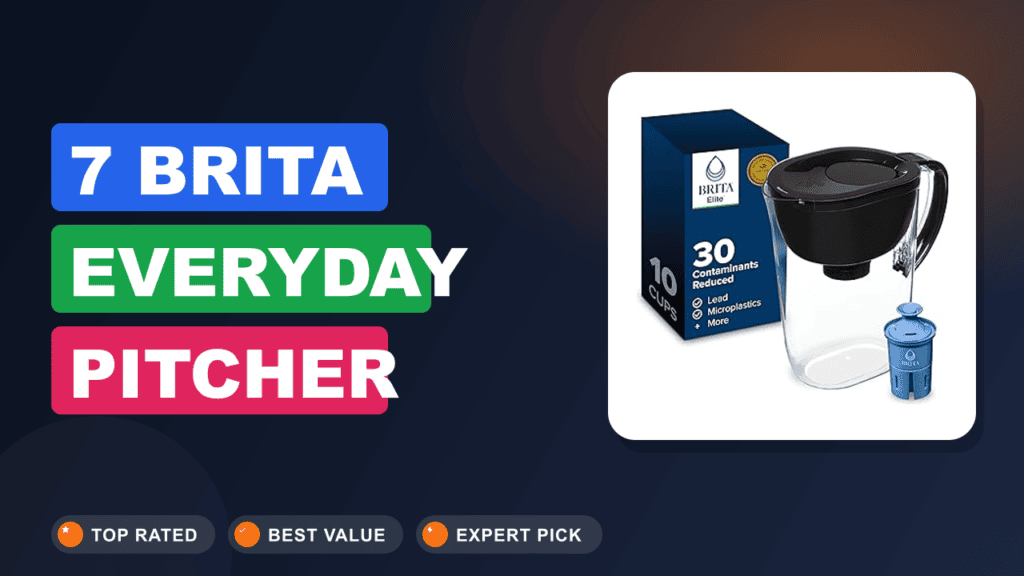
Standard Brita filters do not remove lead. You must buy their specific blue "Elite" filter to reduce lead levels. Even then, it only cuts lead down.
It does not remove it entirely. If lead is your main worry, the standard white Brita filter is useless.
ZeroWater removes lead down to zero on the meter. The ion exchange resin grabs heavy metals effectively. For homes with known lead issues, ZeroWater offers real peace of mind.
But remember the filter life warning. Heavy metals clog the resin faster. You will need to test with the meter more often to stay safe.
Plastic Types And Heat Risks
Both brands make their pitchers from BPA-free plastic. This means the plastic will not leach that specific chemical into your water. But plastic is still plastic.
Leaving a clear pitcher in direct sunlight on a counter can cause algae blooms. It can also degrade the plastic over time.
Keep your pitcher in the fridge or out of the sun. Cold water tastes better anyway. Also, never put hot water in these pitchers.
The plastic is meant for cold tap water only. Hot water warps the seals and ruins the filter media. Just as you would avoid putting unsafe plastics in a hot oven, keep your water pitchers far away from heat sources.
If you worry about microplastics, neither pitcher is perfect. Both use plastic housings. Glass pitchers exist, but they are heavy and breakable.
For most kitchens, BPA-free plastic is the standard choice. Just wash them gently and replace them if they get scratched or cloudy. Scratches hide bacteria that soap cannot reach.
Pick Brita If You Want Cheap And Fast
Buy the Brita pitcher if your water just tastes weird. Chlorine from city treatment plants causes most bad tastes. Brita fixes this problem perfectly.
It pours fast, so you never wait around while cooking.
The filters are cheap and easy to find at any grocery store. You do not need a meter to tell you when to swap them. Just mark your calendar for every two months.
This routine is simple and keeps costs very low.
Skip Brita if you have hard water or lead concerns. The standard filter ignores those problems. Do not pay for a brand name if it does not solve your actual issue.
Wasting money happens when you buy the wrong tool for the job.
Pick ZeroWater If You Need Pure Output
Buy the ZeroWater pitcher if you hate mineral buildup. Coffee makers and tea kettles last longer with zero-mineral water. The coffee tastes cleaner without calcium messing up the flavor.
It is also the right pick if you live in an older home with metal pipes. The included meter proves the filter is working. You never have to guess if your water is safe.
Seeing that 000 reading gives you instant confidence.
Skip ZeroWater if you are on a tight budget with hard water. The filter costs will shock you. Also skip it if you lack patience.
Watching water drip through the top tray for fifteen minutes drives some people crazy. Know your habits before you commit.
Common Mistakes Buyers Make
The biggest mistake is ignoring the local water report. People buy ZeroWater because it sounds stronger. Then they realize their water is already soft.
They end up paying premium prices for basic results. Always check your city water data first.
Another mistake is leaving old filters in too long. An expired Brita filter stops blocking chlorine. An expired ZeroWater filter actually dumps trapped metals back into your glass.
That makes your water worse than plain tap water. Use the meter or set a strict calendar reminder.
Finally, people forget to soak new filters. ZeroWater filters need a quick rinse before use. Brita filters need a soak to flush out loose carbon dust.
If you skip this step, your first few glasses will look black or taste gritty. Read the manual in the box. Taking ten seconds to prep the filter saves you from dumping a whole batch of bad water down the sink.
Questions People Ask About Pitchers
Does boiling tap water work better than a pitcher?
Boiling kills germs, but it does not remove heavy metals. Boiling actually concentrates minerals as water turns to steam. Pitchers physically trap solids.
For chemical and mineral removal, a good pitcher beats boiling every time.
Can I put either pitcher in the dishwasher?
Brita reservoirs usually handle the top rack well. ZeroWater parts should be washed by hand. The heat and strong soap in dishwashers can warp the custom seals on the ZeroWater housing.
Hand washing takes two minutes and protects your investment.
Why does my ZeroWater taste slightly sour?
A sour or lemony taste means the filter is totally dead. The ion exchange resin has given up its hydrogen ions. Stop drinking it immediately.
Swap the filter and test the new batch with the meter. Never ignore a change in taste.
Do these pitchers remove healthy minerals?
Brita leaves most healthy minerals alone. ZeroWater strips everything out, including calcium and magnesium. If you rely on water for daily minerals, ZeroWater removes them.
You will need to get those nutrients from food instead. Eating balanced meals covers this gap easily.
Which one fits a dorm mini-fridge?
Look at the 6-cup slim models from both brands. They fit narrow shelves much better than the wide 10-cup versions. Measure your fridge door bins before buying.
A pitcher that blocks your food storage creates more problems than it solves.
The Final Word On Saving Cash
Stop wasting money by matching the pitcher to your pipes. Brita handles basic city water tastes for pennies a day. ZeroWater delivers lab-level purity but demands a higher budget and more patience.
Read your local water report, check your fridge space, and pick the one that solves your exact problem.
As an Amazon Associate, we earn from qualifying purchases.