Cooking battered fish in an air fryer is the most reliable way to get a crispy, golden-brown crust without the mess or extra oil of deep frying. On average, you should plan to cook battered fish for 10 to 14 minutes at 380°F (193°C), depending on whether the fish is frozen or fresh.
Because air fryers circulate hot air rapidly, they are perfect for reconstituting the texture of breaded or battered seafood. This method produces a crunch that mimics deep frying while keeping the fish inside moist and flaky. Whether you are reheating leftovers or cooking store-bought frozen fillets, the key is managing temperature and airflow to avoid a soggy batter.
Understanding how the air fryer affects batter
The air fryer works by using a heating element and a powerful fan to move air around the food. When you cook battered fish, that constant stream of heat is what dehydrates the exterior of the batter quickly, turning it crisp. If the temperature is too low, the batter will absorb moisture from the fish or from the air inside the chamber, leading to a mushy or greasy result.
Using an air fryer for this task is significantly more efficient than a standard oven. A conventional oven requires preheating and takes longer to circulate heat, which often dries out the fish before the batter can get crunchy. The air fryer chamber is smaller and more concentrated, meaning it gets the surface of the fish to the ideal temperature for browning almost instantly.
One important note on safety is maintaining proper internal temperatures for seafood. According to the U.S. Department of Agriculture, you should ensure fish reaches an internal temperature of 145°F to ensure it is fully cooked and safe for consumption.
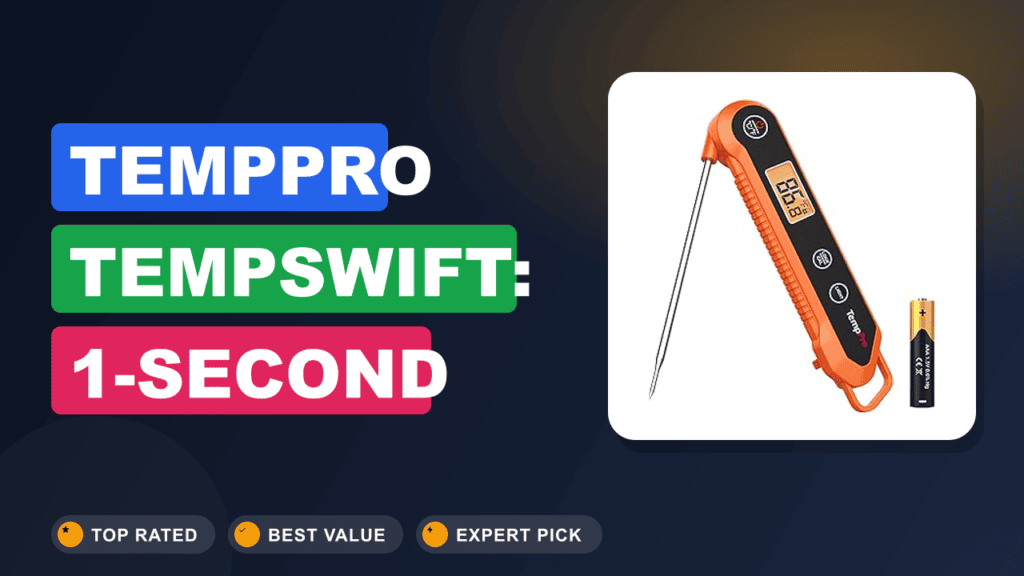
Since air fryers can vary in wattage and capacity, a digital meat thermometer is the most accurate way to verify the fish is done.
The process for frozen battered fish
Most frozen battered fish you buy at the grocery store is pre-fried, meaning it has already been partially cooked. The air fryer’s job here is simply to finish the cooking process and bring the batter to a crisp finish. You do not need to thaw the fish before putting it in the basket.
- Preheat your air fryer to 380°F for about 3 minutes. Preheating ensures the cooking process starts immediately when the fish touches the basket.
- Arrange the fillets in a single layer. Leave enough space between each piece for air to flow around the sides. If the fish pieces touch or overlap, the sides will stay soft and pale.
- Cook the fish for 10 to 12 minutes. Check the color at the 8-minute mark.
- Flip the fish halfway through the cooking time. This promotes even browning on both sides.
- If you prefer a darker, extra-crispy crust, increase the temperature to 400°F for the final 2 minutes.
The process for homemade or fresh battered fish
Cooking fresh, hand-battered fish in an air fryer requires slightly more attention because the raw batter is wet and heavy. If you drop a dripping, wet piece of battered fish directly into the basket, it will likely stick or lose its coating before the crust can set.
- Preheat your air fryer to 375°F. A slightly lower temperature compared to frozen fish allows the inside of the fish to cook before the outside burns.
- Coat your fish in flour, dip it in the batter, and let the excess drip off. If you are using a wet batter, consider chilling the battered fish in the refrigerator for 10 minutes before frying. This firms up the batter and helps it adhere better to the fish.
- Lightly spray the air fryer basket with non-stick cooking spray or brush it with a thin layer of oil. This prevents the batter from adhering to the metal grate.
- Place the fish in the basket, ensuring they do not touch.
- Cook for 12 to 15 minutes, flipping the fish gently once midway. The fish is done when the batter is golden brown and the interior of the fillet is opaque and flakes easily with a fork.
Comparison of cooking times and temperatures
Cooking requirements fluctuate based on the type of fish and its initial state. The following chart provides a general baseline for common types of battered fish preparations.
| Type of Fish | Temperature | Total Time | Notes |
|---|---|---|---|
| Frozen Breaded Fillet | 380°F | 10–12 min | No need to defrost; flip once. |
| Frozen Battered Fillet | 380°F | 11–13 min | Battered crusts take slightly longer than breading. |
| Freshly Battered Fillet | 375°F | 13–15 min | Requires more careful handling; do not overcrowd. |
| Reheating Leftovers | 350°F | 4–6 min | Keep temp lower to avoid overcooking the fish. |
Managing common issues with air fried fish
The most frequent complaint when cooking battered fish is a soggy underside. This happens when moisture gets trapped beneath the fish while it sits on the basket. If you notice your fish is crisp on top but soft on the bottom, try using a piece of parchment paper designed for air fryers.
Alternatively, elevate the fish slightly if your air fryer came with a rack.
Another issue is the batter blowing off the fish. High-powered fans in some air fryer models are aggressive. If you find the batter is coming loose, try reducing the fan speed if your unit has that setting, or make sure your batter is thick enough to hold its structure.
Thin, watery batters tend to fly off the fish or slide down into the bottom of the basket before they have a chance to set.
Avoid overcrowding the basket at all costs. Air frying relies on air movement. If you stack the fish, the air cannot reach the middle of the stack, and the result will be steamed fish rather than fried fish.
If you have a large amount of fish to cook, it is better to work in two separate batches.
When the air fryer is not the best choice
There are specific instances where the air fryer might struggle with battered fish. If you are preparing a large quantity for a dinner party, the air fryer will become a bottleneck. Because you have to cook in single layers to maintain crispiness, you might spend an hour or more in the kitchen just rotating batches.
In this scenario, a convection oven can produce similar results for a much larger volume of food at once.
Additionally, extremely delicate fish like sole or thin tilapia might be difficult to handle in an air fryer. The transition of flipping these pieces mid-cook can cause them to fall apart. For very delicate fish, pan-frying in a small amount of oil is often less stressful than maneuvering them in an air fryer basket.
Frequently asked questions
Do I need to use oil when cooking battered fish in the air fryer?
You do not strictly need to add oil if the fish is pre-frozen, as these are often pre-fried during processing. However, a light mist of oil spray can improve the color and crunch of the batter. For fresh, homemade batter, a light oil spray is highly recommended to help the crust crisp up rather than just drying out.
How do I know if the fish is fully cooked without overdoing the batter?
The best way is to use an instant-read meat thermometer inserted into the thickest part of the fillet. You are looking for a temperature of 145°F. If the batter is turning too dark but the fish is not yet at 145°F, lower the temperature by 25 degrees and continue cooking for a few more minutes.
Can I stack battered fish in the air fryer to cook more at once?
You should never stack battered fish in the air fryer. The hot air needs to hit every surface of the batter to make it crispy. If the fish is layered, the parts touching each other will remain wet and soft, and you will lose the texture that makes air-fried fish enjoyable.
What should I do if my batter is sliding off the fish?
This usually means your batter is too thin or the fish was too wet before coating. Pat the fish dry with a paper towel before dredging it in flour. After you dip the fish in the batter, hold it over the bowl for a few seconds to let the excess drip off before placing it into the basket.
Why is my fish dry inside but the batter is perfect?
This often happens if the cooking temperature is too high. If you are cooking thin fillets, they can overcook quickly at 400°F. Try lowering the temperature to 375°F to allow the heat to penetrate the center of the fish more gently while still allowing enough time for the batter to become crunchy.
Worth remembering
Achieving the perfect air-fried fish is mostly about controlling airflow and moisture. You want the outside to dry out as quickly as possible while the inside stays protected. Stick to a single layer, use a thermometer to check for that 145°F threshold, and don’t be afraid to adjust your temperature if your specific air fryer runs hot.
If you are looking for more ways to use your air fryer, check your appliance manual for specific rack accessories that might help improve airflow for items like fish fillets. Cooking fish this way is a quick, clean, and effective way to get dinner on the table without the lingering smell of a deep fryer.