You can cook salmon fillets in an air fryer in about 7 to 12 minutes, depending on the thickness of the fish and your personal preference for doneness. Because air fryers circulate hot air rapidly, they act like high-powered convection ovens, creating a crisp exterior while keeping the inside moist.
For a standard 6-ounce fillet, setting your air fryer to 400°F (200°C) usually produces the best results. Most salmon reaches a safe internal temperature of 145°F (63°C) as recommended by the United States Department of Agriculture within this timeframe. This guide covers how to prepare your fish, the best techniques for perfect timing, and how to troubleshoot common issues like dry skin or undercooked centers.
How to determine cooking time based on thickness
The most important factor in your cook time is the thickness of the fillet, not just its weight. A thin, wide piece of salmon will cook much faster than a thick, center-cut portion. You should measure the thickest part of the fish before you start.
As a general rule, you need 7 to 8 minutes for fillets that are about one inch thick. If your salmon is thicker, perhaps 1.5 inches, you will likely need to push that time toward 10 or 12 minutes. Because air fryers vary in wattage and internal fan strength, the first time you cook salmon in a new unit, you should start checking at the 7-minute mark.
If you are cooking frozen salmon fillets, you must add 3 to 5 minutes to the total time. You should also lower the temperature slightly to 375°F to ensure the middle thaws and cooks without the outside drying out or burning before the center reaches a safe temperature.
Preparing the salmon for the best results
You cannot just toss a wet, cold fillet into the basket and expect a restaurant-quality finish. Moisture is the enemy of a good crust. Before seasoning, take your salmon out of the refrigerator about 15 minutes before you plan to cook.
Pat the flesh and the skin side dry with a paper towel.
After drying the fish, brush it lightly with a high-smoke-point oil like avocado oil, grapeseed oil, or light olive oil. Avoid extra virgin olive oil if you are cooking at 400°F, as it can smoke and impart a bitter flavor. Season the salmon with salt and pepper immediately before placing it in the basket.
If you season too early, the salt can draw out moisture through osmosis, leaving the fish with a gummy texture rather than a firm, flaky one.
Using the air fryer basket correctly
Do not overcrowd your air fryer. Air needs to move freely around the food to ensure even cooking. If you pack the basket, the moisture released by the fish will get trapped, essentially steaming the salmon instead of roasting it.
You want each fillet to have at least an inch of space between it and the next piece or the side of the basket. If you are cooking for a family, it is better to cook in batches than to crowd everything in at once.
Step-by-step instructions for air fryer salmon
Cooking salmon is a straightforward process, but following these steps ensures you don’t overcook the delicate proteins.
- Preheat your air fryer to 400°F (200°C) for about 3 minutes. A hot start ensures the exterior begins to crisp immediately.
- Pat your salmon fillets dry and brush them with a thin layer of oil.
- Season the flesh side with salt, pepper, and your preferred herbs or dry spices.
- Place the fillets in the basket, skin side down if the skin is still attached.
- Set your timer for 7 minutes to start.
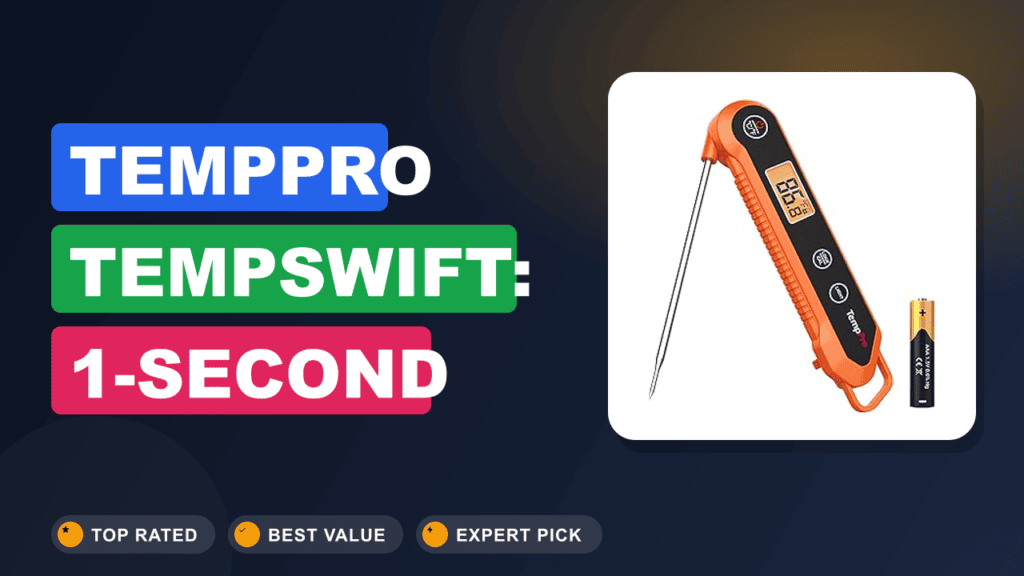
- Check the thickest part of the fillet with an instant-read meat thermometer.
- If the internal temperature is below 145°F, add 1 to 2 minutes and check again.
- Remove the fish carefully with a spatula. Let it rest for 2 to 3 minutes before serving so the juices redistribute.
Adjusting for different fillet types
Not all salmon is created equal. Sockeye salmon, for example, is much leaner than King or Atlantic salmon. Because it lacks that heavy intramuscular fat, it is far more prone to drying out.
If you are cooking sockeye, check the temperature at the 6-minute mark. Conversely, farm-raised Atlantic salmon has a higher fat content, which acts as a buffer against high heat, making it more forgiving if you accidentally leave it in for an extra minute or two.
Comparing cook times and temperatures
The temperature you choose changes the texture of the finished fish. While 400°F is the standard for a “roasted” finish, some people prefer a slower cook for a softer, more delicate interior.
| Setting | Estimated Time | Best For |
|---|---|---|
| 350°F (Low & Slow) | 12–15 minutes | Thick fillets, preserving moisture |
| 375°F (Balanced) | 9–11 minutes | Even cooking, moderate browning |
| 400°F (High Heat) | 7–9 minutes | Crispy skin, quick weeknight meals |
| 400°F (From Frozen) | 12–15 minutes | Convenience, direct from freezer |
Common mistakes and how to fix them
The most common mistake is relying solely on the clock rather than the internal temperature. Every air fryer has a different airflow pattern, and “7 minutes” on one machine might be “9 minutes” on another. Always use a thermometer.
Another frequent issue is sticking. If you are cooking skin-on salmon, the skin can bond to the basket rack. You can prevent this by placing a piece of parchment paper designed for air fryers at the bottom, though ensure it is weighed down by the fish so it doesn’t fly up into the heating element.
Alternatively, brushing the basket grate with a little oil before laying the fish down helps significantly.
If you find your salmon is getting too dark on the outside before the inside is finished, your fillets are likely too thick for a 400°F setting. Drop the temperature to 375°F for the next batch and extend the time by a few minutes.
Troubleshooting undercooked or overcooked fish
Undercooked salmon often results from cold spots in the refrigerator or overly thick center-cut pieces. If you cut into the center and find it is still translucent and raw, put it back in for 2 minutes. Don’t be afraid to pull the basket out mid-cook to check the progress.
Overcooked salmon is, unfortunately, a one-way street. Once the proteins tighten up and the white, chalky albumin leaks out of the sides, the texture becomes dry and crumbly. If you notice a lot of this white stuff on the surface, your salmon is likely already past the ideal point.
To avoid this, always err on the side of under-cooking slightly and letting the carry-over heat finish the job during the 3-minute rest.
Frequently asked questions
Should I flip the salmon halfway through?
You generally do not need to flip salmon in an air fryer. If you put the salmon in skin-side down, the skin acts as a protective barrier against the heat of the basket grate. Flipping can cause the delicate flesh to fall apart, especially if you have a thin glaze or spice rub on the top.
How do I know if my air fryer salmon is fully cooked?
The most accurate method is using a digital meat thermometer. Stick the probe into the thickest part of the fillet. The USDA recommends an internal temperature of 145°F.
If you prefer your fish slightly medium-rare, you can pull it out at 135°F and let it rest, as the temperature will continue to rise once you take it out.
Can I cook frozen salmon directly in the air fryer?
Yes, you can cook frozen salmon directly, but you should adjust your technique. Reduce the temperature to 375°F and increase the cook time to about 12 to 15 minutes. It helps to rinse the ice glaze off the fish under cold water and pat it very dry before seasoning, as this prevents the fish from steaming in its own melting ice.
Why is there white stuff on my salmon after cooking?
That white substance is called albumin, a protein that coagulates and pushes to the surface when the fish is heated. It is perfectly safe to eat, but it usually signals that the salmon has been cooked too quickly or at too high a heat. If you see a lot of it, try reducing your cooking temperature next time to prevent the muscle fibers from tightening up so aggressively.
Does the type of air fryer affect the cooking time?
Yes, it certainly does. Basket-style air fryers, where the food sits close to the heating element, tend to cook faster than larger, oven-style air fryers with racks. Always treat the first few times you use a recipe in your specific machine as a trial run.
Keep a close eye on your fish after the 6-minute mark.
Final advice for your next meal
Consistency is the hardest part of cooking with an air fryer, but after a few tries, you will get a feel for how your specific appliance handles fish. Always prioritize the internal temperature over the timer, and don’t skip the resting phase. Resting is a vital part of the process because it allows the proteins to relax and the juices to settle back into the flesh, ensuring every bite is tender rather than stringy.
If you are just starting out with air frying, stick to basic salt, pepper, and lemon juice seasonings until you master the timing. Once you are comfortable with the cook times for different thicknesses, you can start experimenting with thicker glazes, like teriyaki or honey mustard, which are excellent for air frying. Just keep in mind that sugary glazes will caramelize very quickly, so you may need to add them during the last 2 minutes of cooking to avoid burning.