Cooking frozen meatballs in the air fryer is one of the most reliable ways to get a crisp exterior and a juicy center without waiting for an oven to preheat. For most standard-sized frozen meatballs, you should cook them at 400°F (200°C) for 10 to 12 minutes. This method works for both store-bought beef, turkey, or plant-based varieties, ensuring they reach a safe internal temperature while developing a pleasant, browned crust.
Whether you are prepping for a quick weeknight dinner, a party appetizer, or a meal-prep batch, the air fryer handles the task with far more consistency than a stovetop skillet. Because air fryers circulate hot air rapidly, they mimic the effect of a convection oven, but on a smaller, more intense scale. This guide covers the specific timing, temperature settings, and best practices to ensure your meatballs turn out perfect every single time.
Why the air fryer is superior for frozen meatballs
The primary reason to use an air fryer for frozen meatballs is the combination of texture and efficiency. Traditional methods like boiling or simmering often lead to mushy textures, while baking in a large oven can take 25 to 30 minutes just for the oven to reach the right temperature. The air fryer bypasses that delay entirely.
The rapid air circulation pulls moisture from the very outer layer of the meatball, creating a slight crust. This is important because frozen meatballs often release a fair amount of liquid as they thaw. In a pan, that liquid causes the meatballs to steam in their own juices, which is fine if you are simmering them in sauce, but less ideal if you want a browned, savory finish.
In an air fryer, the excess fat and water drip through the basket grate, preventing the meatballs from sitting in a greasy pool.
The golden rule for cooking time and temperature
For almost every brand of frozen meatball, 400°F is the sweet spot. At this temperature, the exterior browns rapidly, which locks in the juices before the center overcooks or dries out. If you go lower, like 350°F, you often end up with a pale, lukewarm meatball that has been sitting too long, leading to a rubbery texture.
Cooking times fluctuate based on the density and size of the meatball. Here is the general breakdown for standard preparation:
| Meatball Type | Recommended Temp | Estimated Time | Internal Temp Goal |
|---|---|---|---|
| Standard Beef (1 oz) | 400°F | 10–12 Minutes | 165°F |
| Turkey or Chicken | 400°F | 12–14 Minutes | 165°F |
| Plant-Based | 375°F | 8–10 Minutes | Follow Package |
| Mini / Cocktail Size | 400°F | 6–8 Minutes | 165°F |
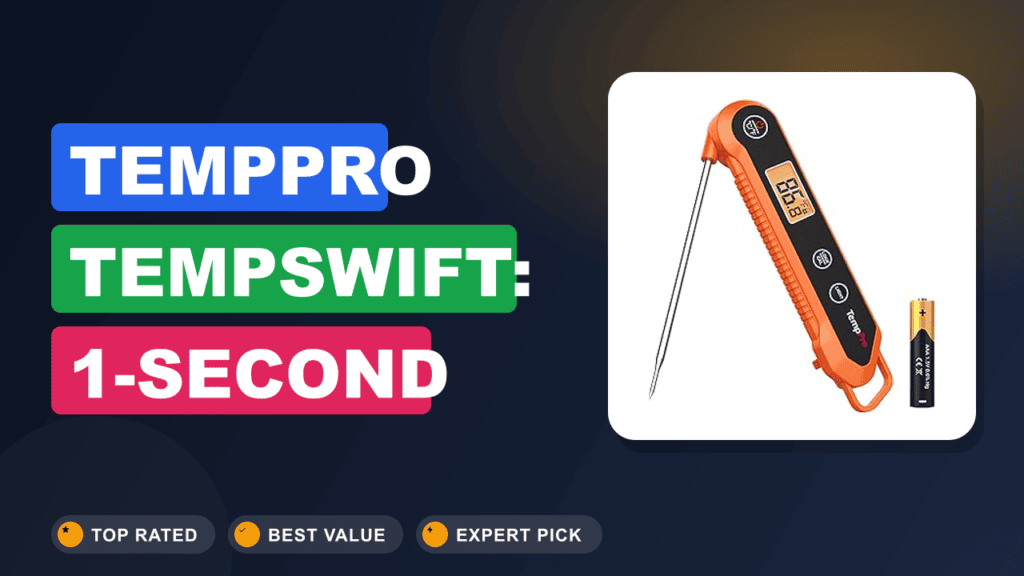
The USDA recommends that all ground meat, including beef, pork, and poultry, reach an internal temperature of 165°F (74°C) to ensure safety, as noted by the USDA Food Safety and Inspection Service. Using a digital meat thermometer is the only way to be 100% certain, especially since frozen meatballs vary wildly in thickness and density.
Step-by-step instructions for perfect air-fried meatballs
Achieving the right texture requires a few simple steps. You do not need to defrost your meatballs beforehand; in fact, the air fryer is specifically designed to handle them straight from the freezer bag.
- Preheat the air fryer: While some models don’t strictly require it, preheating for 3 minutes at 400°F ensures the cooking process starts the moment the meatballs hit the basket.
- Arrange in a single layer: Do not crowd the basket. If the meatballs are touching or stacked, the air cannot circulate properly, and you will end up with unevenly cooked, steamed meatballs rather than crispy ones.
- Shake the basket: Halfway through the cooking time, give the basket a good shake. This redistributes the meatballs and ensures that all sides are exposed to the hot air.
- Check for doneness: Once the timer goes off, use a fork to press one of the largest meatballs. If it feels firm and the edges are browned, you are likely finished. If you are serving these to children or want to be absolutely sure, use a probe thermometer to confirm they have hit the safe 165°F mark.
- Resting: Let the meatballs sit in the basket for 1 or 2 minutes before transferring them to a bowl. This allows the juices inside to redistribute, which prevents the first bite from being scalding hot and keeps the meat moist.
Dealing with sauce and glazing
Many people want to know if they can add sauce directly into the air fryer. The answer is generally no. Adding bottled marinara or BBQ sauce to the basket will create a messy, burnt disaster that is difficult to clean.
The sugar content in most BBQ sauces will char and smoke long before the meatballs finish cooking.
Instead, cook the meatballs plain or lightly tossed in a tiny bit of olive oil and dried herbs. Once they are fully cooked, transfer them to a saucepan on the stove to simmer in your chosen sauce for 5 minutes, or toss them in a microwave-safe bowl with warmed sauce. This maintains the crispy texture of the meatball while still getting that delicious sauce coating you want.
Factors that change your cooking time
Even though 10 to 12 minutes is the standard, a few variables might force you to adjust your timing. The most common factor is the volume of meatballs in the basket. If you are cooking a massive batch for a party, you will have to cook in multiple cycles.
Trying to cram two bags into one basket will lead to inconsistent results and significantly longer cooking times.
Another factor is your specific air fryer model. Some units, especially larger toaster-oven style air fryers, have fans that are less powerful than the smaller, pod-style units. If you are using a toaster-oven model, you may need to add 2 to 3 minutes to the total time because the airflow is less concentrated.
If you are using frozen meatballs that are glazed or breaded, watch them closely. The breading can burn quickly at 400°F. If you notice them getting too dark after 6 or 7 minutes, reduce the temperature to 375°F for the remainder of the time to avoid a burnt taste.
Common mistakes to avoid
One common error is using non-stick spray directly on the basket grate. While it seems helpful, many aerosol sprays contain additives that can build up a sticky, gummy residue on the non-stick coating of your air fryer basket over time. Instead, if you are worried about sticking, toss the frozen meatballs in a teaspoon of high-smoke-point oil like avocado or grapeseed oil before putting them in the basket.
Another mistake is forgetting to clean the bottom of the air fryer after a few rounds of cooking. Frozen meatballs contain fat, and that fat renders out during the cooking process. If you have a layer of old grease sitting at the bottom of your air fryer, it will begin to smoke as soon as it heats up, which can impart a bitter, acrid flavor to your food.
Always wipe out the bottom of the drawer or check the drip tray if you are cooking multiple batches.
Finally, do not rely on color alone. Some pre-cooked meatballs are dark brown straight out of the freezer due to manufacturing processes. Do not assume that because they look “brown,” they are done.
Always use your timer and, whenever possible, check the center temperature.
Troubleshooting typical issues
If your meatballs come out hard or dry, you have likely overcooked them. This often happens if you leave them in the air fryer to “keep warm” after the timer goes off. The residual heat in a closed air fryer is significant, and it will continue to cook the food.
As soon as the timer dings, remove the food from the machine.
If your meatballs are cold in the center, you likely overcrowded the basket or didn’t cook them long enough. If you find yourself in this situation, do not just turn the machine back on for 5 more minutes at the same temperature. Lower the heat to 350°F and cook for 3 to 4 more minutes to ensure the heat penetrates the center without burning the already-crisp exterior.
If the meatballs are sticking to the basket even though you didn’t overcook them, the grate might be worn. You can purchase parchment paper liners specifically made for air fryers. These have holes to allow air circulation while preventing the food from making direct contact with the metal.
This is especially helpful for meatballs that have a high cheese content, as that cheese can melt and create a sticky bond with the basket.
Using the air fryer for meal prep
Frozen meatballs are a fantastic staple for meal prepping because they hold up well in the refrigerator for up to 4 days. If you are cooking a batch on Sunday, pull them out when they are just barely done, perhaps 10 minutes rather than 12. When you reheat them later in the week, they won’t dry out.
To reheat, put them in the air fryer at 350°F for 3 to 4 minutes. This restores the crispness of the outside without overcooking the meat. Avoid microwaving them, as this will inevitably result in a soft, soggy texture that loses all the benefits of the air fryer method.
Safety and handling guidelines
When dealing with frozen meat products, hygiene is vital. Always wash your hands thoroughly after touching the frozen meatballs and before touching the air fryer controls. Since the air fryer is a food-contact surface, keep the interior of the basket clean.
According to the University of Minnesota Extension, maintaining clean surfaces is a critical step in preventing cross-contamination when handling raw or partially cooked meat products. While frozen meatballs are usually pre-cooked, they should still be treated with the same care as raw proteins, especially if they have been sitting in the freezer for an extended period where freezer burn or ice crystal accumulation has occurred.
Frequently asked questions
Should I thaw frozen meatballs before putting them in the air fryer?
No, there is no need to thaw them. Placing them in the air fryer while frozen is perfectly safe and actually helps maintain the structure of the meatball. If you thaw them first, they are likely to become soft and fall apart when you shake the basket.
Can I stack the meatballs to fit more in the air fryer?
You should avoid stacking them if you want a uniform, crispy exterior. If you pile them up, the ones in the middle will steam and stay cold, while the ones on top might overcook. It is much better to cook in two separate batches rather than trying to fit everything in at once.
Do I need to add oil to the air fryer?
You do not strictly need oil because most frozen meatballs contain enough fat to brown on their own. However, a light toss in a small amount of oil can help them get a more even golden-brown color and a crispier crust. If your meatballs are very lean, a tiny bit of oil is recommended.
How do I know when the meatballs are fully cooked?
The best way is to use a digital meat thermometer to reach 165°F in the center. If you do not have a thermometer, cut one in half. It should be hot throughout, and the juices should run clear.
If the center is still frosty or cold to the touch, you need to add more time.
Why do my meatballs smell like they are burning?
This is usually caused by grease buildup at the bottom of the air fryer drawer from a previous use. As the air fryer heats up, that old fat reaches its smoke point and creates an acrid smell. Clean your basket thoroughly between uses to prevent this issue.
Is it safe to cook homemade meatballs in the air fryer?
Yes, this method works for both store-bought and homemade frozen meatballs. If you have made a batch of meatballs and frozen them yourself, the cooking time will be similar, but keep a closer eye on them. Homemade meatballs might be slightly less uniform in shape, which can affect the cooking time.
The bottom line on air frying meatballs
Cooking frozen meatballs in an air fryer is a straightforward, reliable process that yields much better results than an oven or a microwave. By sticking to a temperature of 400°F and keeping an eye on the clock between the 10 and 12-minute mark, you ensure a safe, tasty meal. Remember that the key is airflow; keep the basket from being overcrowded, shake the meatballs halfway through, and remove them promptly when they are done to prevent them from drying out.
Whether you serve them on their own, with a side of dipping sauce, or added to a pasta dish, the air fryer is easily the most efficient tool for the job.