Reheating fried chicken in the air fryer is the best way to get that crispy, fresh-from-the-fryer texture back without dealing with a soggy mess. Because air fryers use intense, circulating heat, they are far more effective at bringing fried chicken back to life than a microwave or a conventional oven. If you have leftovers, this is the most reliable way to make them taste like they just came out of the kitchen.
Most fried chicken pieces need about 4 to 8 minutes at 375°F to 400°F. The exact time depends on the size of the piece and how cold it is when you start. You generally want to avoid overcrowding the basket, as airflow is the secret to getting the skin crispy again.
Why the air fryer is superior for leftovers
When you reheat fried chicken in a microwave, the moisture inside the meat turns to steam, which gets trapped by the breading. This creates a rubbery, soft coating that ruins the experience. An oven can work, but it takes a long time to preheat and often dries out the meat before the skin gets crispy.
The air fryer bridges this gap. It works like a powerful convection oven. The high-speed fan forces hot air all around the chicken, which evaporates excess moisture from the surface of the breading.
This quick blast of heat locks in the juices inside the meat while restoring that crunch on the outside.
Setting your air fryer for success
To get the best results, start by taking your leftover chicken out of the refrigerator about 15 minutes before you plan to reheat it. Letting the meat lose its deep fridge chill helps it heat more evenly. If you toss a freezing-cold drumstick directly into the air fryer, the outside might get dark while the bone-in middle stays cold.
Preheating your air fryer for 3 minutes at the target temperature is a helpful step, even if your machine doesn't explicitly require it. A hot basket ensures the crisping process begins the moment the chicken touches the surface. If you don't preheat, you may need to add an extra minute or two to your total cook time.
How to reheat fried chicken: step-by-step
Reheating is a straightforward process, but you have to monitor the heat to avoid burning the breading. Follow these steps to ensure the best outcome for your leftovers.
- Prep the chicken: Take the pieces out of the fridge and let them sit on the counter for 10 to 15 minutes.
- Preheat the unit: Set your air fryer to 375°F and let it run empty for 3 minutes.
- Arrange the pieces: Place the chicken in the air fryer basket in a single layer. Make sure the pieces do not touch or overlap. If the basket is too crowded, the air cannot circulate properly, and the chicken will steam rather than crisp.
- Heat it up: Cook the chicken for 4 minutes.
- Flip or rotate: Open the basket and turn the chicken pieces over using tongs. This helps ensure both sides get equal exposure to the heat.
- Finish: Cook for another 2 to 4 minutes. Check the color of the breading; it should look golden brown and crispy.
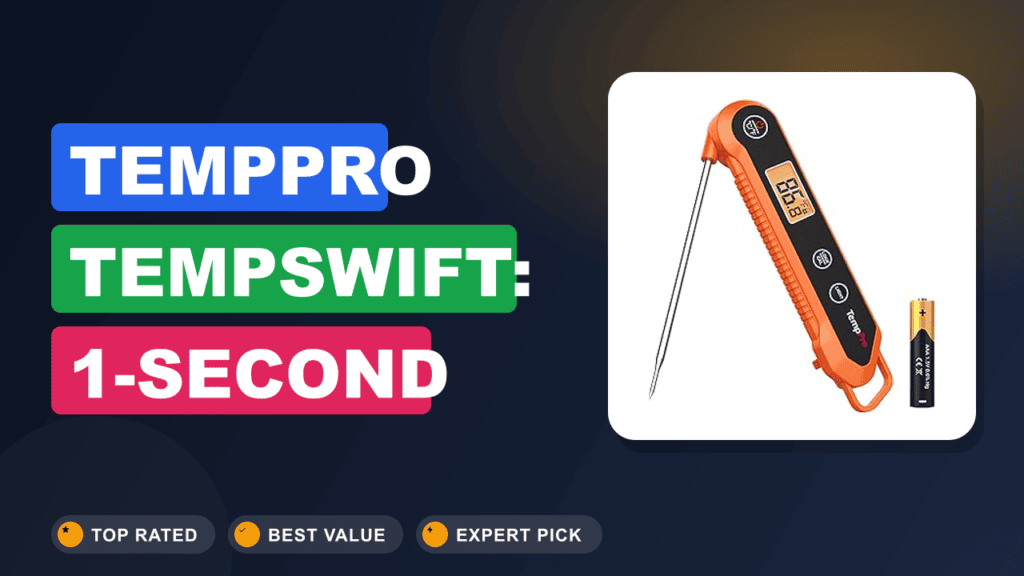
- Check the temperature: If you want to be certain, use a food thermometer. The USDA recommends that leftovers be reheated to an internal temperature of 165°F to ensure food safety.
- Rest: Let the chicken sit for about 1 minute after taking it out of the basket. This allows the heat to stabilize and makes the crust firmer.
Timing guide based on chicken cuts
Different pieces of chicken have different thicknesses, which changes how they absorb heat. Small pieces like wings reheat faster than large breasts or thighs.
| Chicken Part | Temperature | Estimated Time |
|---|---|---|
| Wings | 375°F | 4–5 minutes |
| Drumsticks | 375°F | 5–6 minutes |
| Thighs | 375°F | 6–7 minutes |
| Breasts | 375°F | 7–8 minutes |
| Tenders/Strips | 360°F | 3–4 minutes |
Managing batch sizes and airflow
If you have a large amount of chicken to reheat, you might be tempted to stack the pieces to get it all done at once. Do not do this. Air fryers rely on the movement of hot air around every square inch of the food.
If you stack a drumstick on top of a breast, the area where they touch will remain soft and cold.
It is much better to cook in multiple small batches. Since each batch only takes about 5 to 7 minutes, you can get through a significant amount of food in roughly 15 minutes. If you find your air fryer is drying out the meat, you can place a small piece of foil or a light spray of oil on the chicken, but usually, the residual fat in the breading is enough to handle the reheat.
Common mistakes to avoid
Reheating fried chicken seems simple, but there are a few common pitfalls that can ruin the texture or leave you with uneven results.
- Setting the heat too high: Many people jump to 400°F thinking it will be faster. While it is faster, it often burns the spices and breading before the inside warms through. Stick to 375°F for a more controlled, even result.
- Neglecting to flip: Air fryer heat mostly comes from the top. If you don't flip the chicken halfway through, the bottom side will remain soggy while the top gets very dark.
- Using the microwave first: Some people think they should "nuke" it for 30 seconds to get the middle warm, then air fry it to crisp it up. This almost always results in mushy breading. The microwave softens the crust, and it is very hard to fix that texture once it happens.
- Overloading the basket: As mentioned earlier, air circulation is the primary tool for crispiness. If you can't see the bottom of the basket through the gaps between pieces, you have too much chicken in there.
How to know when it is done
The best indicator of perfectly reheated chicken is the appearance of the crust. It should look dry and feel firm when poked with tongs. If it still looks slightly greasy or soft, add another minute.
If you are concerned about the internal temperature, a probe thermometer is your best friend. Insert the tip into the thickest part of the meat, avoiding the bone. Since the chicken was already cooked, you are really just looking for the meat to be piping hot all the way through, which usually happens once the breading reaches that ideal golden-brown color.
Frequently asked questions
Can I reheat fried chicken more than once?
It is not recommended to reheat food more than once. Every time you heat and cool food, you create a window where bacteria can grow. Try to reheat only the amount of chicken you plan to eat in that sitting.
Should I add oil to the chicken before reheating?
Usually, no. Fried chicken already contains plenty of fat in the skin and breading. Reheating it releases this fat, which essentially fries the chicken a second time.
Adding extra oil often just makes the chicken greasy rather than crispy.
Can I use the air fryer to reheat frozen fried chicken?
Yes, but you need to adjust your time. If the chicken is frozen, increase the reheat time by 3 to 5 minutes. You may also want to lower the temperature slightly to 350°F to ensure the middle thaws and heats through before the outer crust burns.
Why did my breading fall off during the process?
This usually happens if you are using metal tongs with a rough grip or if the chicken was extremely soft before you put it in. Try using silicone-tipped tongs to turn the pieces, and handle them gently. If the crust is already loose when you take it out of the fridge, there is not much you can do to save it, but the air fryer is generally gentle enough to keep most of it intact.
How long can I keep fried chicken in the fridge before it shouldn't be reheated?
The general rule for leftovers is that they should be consumed within 3 to 4 days. If your fried chicken has been in the refrigerator for longer than that, it is best to discard it rather than trying to reheat it, regardless of the method you choose.
Is it better to reheat in the air fryer or a toaster oven?
The air fryer is generally better for fried chicken because its fan is much more powerful than that of a standard toaster oven. This extra airflow is exactly what helps remove moisture and restore the crunch of the breading. While a toaster oven will work, the result is often closer to a conventional oven than the crispness you get from an air fryer.
Dealing with different types of breading
Not all fried chicken is the same. Southern-style, flour-based breading behaves differently than a thin, tempura-style crust or a naked, skin-on piece.
If you have heavily breaded or buttermilk-dipped chicken, it will take longer to reheat because the layer of breading is thicker. Use the 375°F setting but keep an eye on it after the 6-minute mark. If you are reheating thin-skinned chicken or strips, these are much more susceptible to drying out.
Keep a closer watch on them and pull them out as soon as they are hot, which might be as quickly as 3 or 4 minutes.
The importance of the resting period
Many home cooks pull the chicken out of the air fryer and bite into it immediately. This is a mistake. When the chicken comes out, the moisture is still agitated and the breading is at its most fragile.
If you let it rest on a wire rack or a plate for about 60 seconds, the breading will firm up significantly as it cools slightly. This small window makes a huge difference in the final texture of your bite.
If you put the hot chicken on a solid plate, the bottom might get a little soft from the steam it creates. If you have a wire cooling rack, placing the chicken on that for the minute of resting will allow air to hit the bottom side, keeping the crust crisp all the way around.
Troubleshooting cold spots
If you find that your chicken consistently has cold spots in the middle, it might be due to the size of the pieces. If you have a particularly large breast or a thick thigh, turn the air fryer down to 350°F and increase the time by 2 or 3 minutes. This allows the heat to penetrate the center of the meat without scorching the exterior.
Another trick for thick pieces is to ensure they are at room temperature before they go into the basket. This is the most effective way to eliminate cold centers. If you are in a rush and have to pull them straight from the fridge, just plan for a slightly longer, lower-temperature cook.
Balancing convenience and quality
The reason people love the air fryer for reheating is that it strikes the perfect balance between speed and quality. While a traditional deep fryer might get the crust even crisper, the amount of oil required and the cleanup involved make it impractical for a handful of leftover wings. The air fryer provides about 90% of the quality of fresh-fried food with none of the hassle.
When you are deciding on the exact timing, always err on the side of caution. You can always put the chicken back in for another 60 seconds if it is not hot enough, but you cannot fix a piece of chicken that has been scorched by excessive heat. Start with the lower end of the recommended time ranges, check the progress, and adjust based on the specific power of your air fryer.
Understanding your equipment
Not all air fryers are built the same. Some units with a basket design focus heat differently than "oven-style" air fryers with racks. If you have an oven-style unit, try to place your chicken on the middle rack.
This provides the most balanced airflow.
If you have a basket-style air fryer, try to keep the pieces toward the center but not touching. If you have a very powerful unit that tends to run hot, subtract 10 to 15 degrees from the recommended temperature and check your food one minute earlier than you normally would. Once you learn how your specific machine handles heat, you will find it incredibly easy to get reliable results every time you reheat your favorite leftovers.
Storing for the best reheat
If you know you are going to have leftovers, how you store the chicken in the first place matters. If you leave it in a plastic container with a tight lid while it is still warm, the steam will condense on the lid and drip back onto the chicken, making it soggy.
Wait for the chicken to cool completely to room temperature before putting it in a container. If possible, use a container that allows for a little bit of airflow or place a paper towel in the bottom of the container to absorb any excess moisture. This preparation makes the reheating process in the air fryer much more successful, as the breading won't be as compromised before you even start.
The impact of sauces
If your fried chicken is already coated in a heavy sauce like buffalo or barbecue, the air fryer will essentially "bake" that sauce onto the chicken. This can be delicious, as it caramelizes the sugars in the sauce, but it also makes the chicken more prone to burning.
If you are reheating sauced chicken, keep the temperature at 350°F and watch it closely. The sugar in the sauce will turn dark very quickly. If you want the best of both worlds, reheat the chicken plain and toss it in fresh sauce once it comes out of the air fryer.
This keeps the breading crunchy and ensures the flavor of the sauce is bright and fresh rather than cooked-down and potentially bitter.
When to admit defeat
Sometimes, if the fried chicken has been left out for too long or stored improperly, the crust will have lost its integrity entirely. If the breading feels slimy or the chicken has an off-smell, don't try to save it. Food safety is always the priority.
However, if the chicken is just soft and cold, the air fryer is essentially a miracle worker. By using the right temperature and allowing for proper airflow, you can reclaim that crispy, satisfying texture that makes fried chicken a classic. It takes a little practice to get your timing perfect, but once you master the process, you will never look at leftover chicken as a chore again.
Final takeaways
Reheating fried chicken comes down to three main factors: temperature, time, and airflow. Keep your temperature steady at 375°F, respect the need for space between your pieces, and always give them a minute to rest after they leave the heat. This approach ensures your leftovers are just as enjoyable as the meal you had the first time around.
By paying attention to these simple variables, you get the best possible outcome without any unnecessary effort or complicated equipment.