How long do Hot Pockets go in the air fryer? If you want the crispiest crust and the most even filling temperature, you should cook them for 12 to 14 minutes at 375 degrees Fahrenheit. While many people rely on the microwave for speed, the air fryer is superior for texture, turning a potentially soggy pastry into something actually crunchy.
This guide covers everything you need to know to get the timing right, from adjusting for different wattages to handling frozen versus thawed pockets.
Why the air fryer changes the game
The primary reason you would choose an air fryer over a microwave for a frozen snack is the circulation of hot air. A microwave works by agitating water molecules, which creates steam. This steam is what makes a Hot Pocket crust turn soft or chewy.
An air fryer, however, uses a convection fan to blast the surface with heat, effectively drying out the outer layer of dough to create a crisp finish while keeping the inside hot.
When you cook a frozen pocket in an air fryer, you aren't just heating it; you are baking it in a high-intensity environment. This mimics a traditional oven but does so in a fraction of the time. Because air fryers are compact, they reach their target temperature almost instantly, which means the dough begins to set and crisp up within the first two minutes of cooking.
Recommended cooking times by temperature
The most reliable way to cook a standard Hot Pocket in an air fryer is at 375 degrees Fahrenheit. This temperature is high enough to brown the exterior without burning the dough before the cheese inside has fully melted.
| Cooking Method | Temperature | Time | Texture Result |
|---|---|---|---|
| Air Fryer (Standard) | 375°F | 12–14 minutes | Crispy, golden brown |
| Air Fryer (High Heat) | 400°F | 10–12 minutes | Very crispy, risky burn |
| Microwave | N/A | 2 minutes | Soft, chewy crust |
| Conventional Oven | 350°F | 28–30 minutes | Even, flaky crust |
If you are using a smaller basket-style air fryer, you might find that you can pull the pocket out a minute or two earlier because the heat is more concentrated. If you have a larger oven-style air fryer with a tray, it may take the full 14 minutes to get that perfect golden color.
Step-by-step to the perfect air fryer pocket
Cooking a Hot Pocket in your air fryer is simple, but there are a few specific techniques that ensure you don't end up with a lava-hot filling and a cold center. Follow these steps for the best results.
- Preheat if necessary: Most modern air fryers don't strictly require a long preheat, but running the unit for 3 minutes at 375°F helps.
- Remove the sleeve: Throw away the silver crisping sleeve that comes in the box. That sleeve is specifically designed for microwave use. Placing it in an air fryer can be a fire hazard because the air circulation will cause it to blow around inside the unit.
- Arrange the pockets: Place the pockets in the basket with enough space between them for air to flow. Do not stack them. If you are cooking more than two, cook them in batches to ensure the crust doesn't end up steamed.
- Set the time and temperature: Program the air fryer for 13 minutes at 375°F.
- Flip halfway: Halfway through the cook time (at the 6 or 7-minute mark), open the basket and use tongs to flip the pockets. This ensures the bottom side gets just as much exposure to the heat as the top.
- Rest for two minutes: This is the most ignored step. When you remove the pockets, they will be extremely hot inside. Let them sit on a plate for 2 minutes. The heat will distribute evenly, and the cheese will firm up slightly so it doesn't immediately pour out when you take the first bite.
Troubleshooting temperature issues
It is a common frustration to pull a pocket out of the air fryer only to find the outside is perfectly golden but the middle is still frozen. This usually happens because the air fryer was set to too high of a temperature.
If you jump straight to 400°F, the exterior cooks in about 8 or 9 minutes. By that time, the heat has not had enough time to penetrate the thick, doughy center. If you struggle with cold spots, drop your temperature to 350°F and increase the time to 16 minutes.
This lower, slower approach allows the center to thaw and heat up fully before the exterior darkens too much.
Dealing with different models and sizes
Not all air fryers are built the same way. The style of your unit will dictate how effective it is at browning.
Basket-style units
These units circulate air very aggressively. Because the food sits close to the heating element, you need to be careful with thinner crusts. If you notice your Hot Pocket browning too fast, reduce the heat to 360°F.
Toaster-oven style units
These units usually have heating elements on the top and bottom. Because the unit is larger, it takes a bit longer for the air to stabilize. You may find that you need to add 2 minutes to the total time compared to a smaller basket-style unit.
The importance of internal temperature
For safety, especially when dealing with meat-filled products, the internal temperature of the filling should reach 165°F. According to guidelines from the United States Department of Agriculture, reaching this temperature is critical for destroying harmful bacteria. While these products are pre-cooked, treating them as raw-frozen goods helps you avoid the "lukewarm center" problem that ruins the experience.
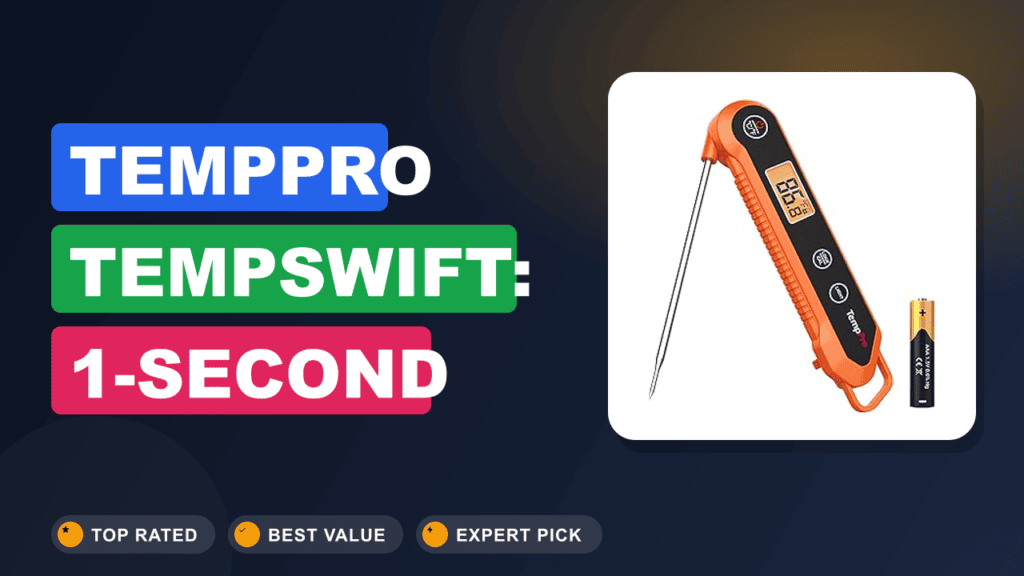
If you are unsure, use a digital meat thermometer. Just insert the probe into the center of the pocket; it should register at least 165°F.
Common mistakes to avoid
Even with a simple process, there are ways to ruin a Hot Pocket. Avoid these common errors to ensure your snack is consistently good.
- Using the microwave sleeve: As mentioned, this is a major safety risk. The sleeve is made of paper and thin foil that isn't intended for the intense airflow of an air fryer.
- Overcrowding the basket: If the pockets touch, the sides that are touching won't get any airflow. You will end up with soft, undercooked dough in those areas.
- Ignoring the flip: Without flipping, the top will look amazing, but the bottom will remain pale and potentially doughy.
- Cooking from thawed: These instructions are specifically for frozen pockets. If you accidentally thawed yours in the fridge, cut the cook time by 4 or 5 minutes and keep a close eye on the browning.
- Skipping the resting period: If you bite in immediately, you risk burning your mouth, and the filling will be so liquid that it lacks the savory texture it gets after a short rest.
Frequently asked questions
Should I spray the Hot Pocket with oil before air frying?
You don't need to. The crust of a Hot Pocket already contains enough fat that it will brown perfectly on its own without adding extra oil. Adding spray can actually make the crust taste greasy rather than flaky.
Can I cook multiple Hot Pockets at once?
You can, as long as they aren't touching. If your air fryer basket is small, it is better to cook in batches. If you crowd them, the moisture from the pockets will get trapped, leading to a steamed, soft crust instead of a crispy one.
Is it better to cook them on a piece of parchment paper?
You can use parchment paper, but make sure it is specifically labeled for air fryer use and that it has holes for airflow. If you use a solid sheet of paper, you block the bottom air circulation, which defeats the purpose of the air fryer.
What if my air fryer does not have a 375°F setting?
Most air fryers go in 5 or 10-degree increments. If yours only has 350°F and 400°F, go with 350°F and add 3 minutes to the total time. It is safer to go slightly lower and longer than to burn the exterior at 400°F.
Why does my Hot Pocket crust crack during air frying?
Cracking usually happens if the pocket was slightly freezer-burned or if the transition from frozen to high heat is too sudden. It does not affect the taste, but it does mean your cheese is more likely to leak out. To prevent this, make sure the pockets are kept in a sealed bag in the freezer.
How do I know when they are officially done?
Aside from the 12 to 14-minute timer, look for a deep golden brown color on the crust. You should also see slight browning at the crimped edges. If you see the filling starting to bubble out, it is definitely ready to come out.
Getting the most out of your air fryer
Mastering how long a Hot Pocket goes in the air fryer isn't just about avoiding a mess; it's about elevating a simple frozen snack into a satisfying meal. The air fryer provides a level of texture that other appliances simply cannot reach. By following the 375-degree rule and remembering to flip your snacks halfway through, you ensure that every bite has that signature crunch.
Whether you are looking for a quick lunch or a late-night snack, the extra few minutes spent waiting for the air fryer to do its job is worth the result. Just remember to let them rest for those final two minutes, and you will have a consistent, perfectly cooked pocket every single time. As you experiment with your specific air fryer model, you might find that you prefer a slightly lighter or darker crust, but these guidelines serve as the perfect starting point for achieving the best possible quality.