Cooking a 1-inch strip steak in an air fryer is a reliable way to get a professional-quality crust without heating up your kitchen. For a 1-inch thick New York strip steak, the ideal cook time is typically 8 to 12 minutes at 400°F (200°C), depending on your preferred level of doneness. Because air fryers act like powerful convection ovens, they circulate heat rapidly, which helps develop a deep brown sear on the exterior while keeping the center tender.
Understanding the timing and temperature requirements is crucial for success with this specific cut. Since the air fryer is essentially a high-powered fan, it dries the surface of the meat quickly, which is exactly what you want for a good crust. This guide covers the precise techniques to handle your strip steak, how to adjust for thickness, and the internal temperatures you should track to ensure your steak is safe and cooked to your liking.
The Importance of Preheating and Preparation
Before you even turn on your air fryer, the condition of the steak dictates how well it will turn out. A cold, wet steak will steam rather than sear, leading to a gray, unappealing exterior. You should always pull your steak out of the refrigerator 30 to 45 minutes before cooking.
This allows the internal temperature to rise slightly, which promotes more even cooking throughout the center of the meat.
Patting the steak dry with paper towels is the most critical step in the entire process. Surface moisture is the enemy of a good sear. If the surface is damp, the air fryer will use all its energy evaporating that water before it can start browning the proteins through the Maillard reaction.
Use two or three paper towels until the meat is bone dry.
Preheating your air fryer is equally important. While many modern models reach temperature in under three minutes, running the air fryer empty for 3 to 5 minutes at 400°F ensures that the cooking surface is hot the moment the steak goes in. This initial blast of heat is necessary to jump-start the crust formation.
Recommended Cook Times for a 1-Inch Strip Steak
Timing in an air fryer is rarely an exact science because every machine has different airflow dynamics and heating element proximity. However, for a standard 1-inch thick New York strip steak at 400°F, you can follow these general guidelines to reach your target internal temperature.
| Doneness Level | Internal Temp (Post-Rest) | Estimated Time at 400°F |
|---|---|---|
| Rare | 120°F–125°F | 7–8 minutes |
| Medium-Rare | 130°F–135°F | 9–10 minutes |
| Medium | 140°F–145°F | 11–12 minutes |
| Medium-Well | 150°F+ | 13–14 minutes |
These timeframes assume you are flipping the steak halfway through the cooking process. If your steak is closer to 1.25 inches thick, add one to two minutes to the total time. Conversely, if your steak is slightly thinner than an inch, check for doneness two minutes before the suggested time ends.
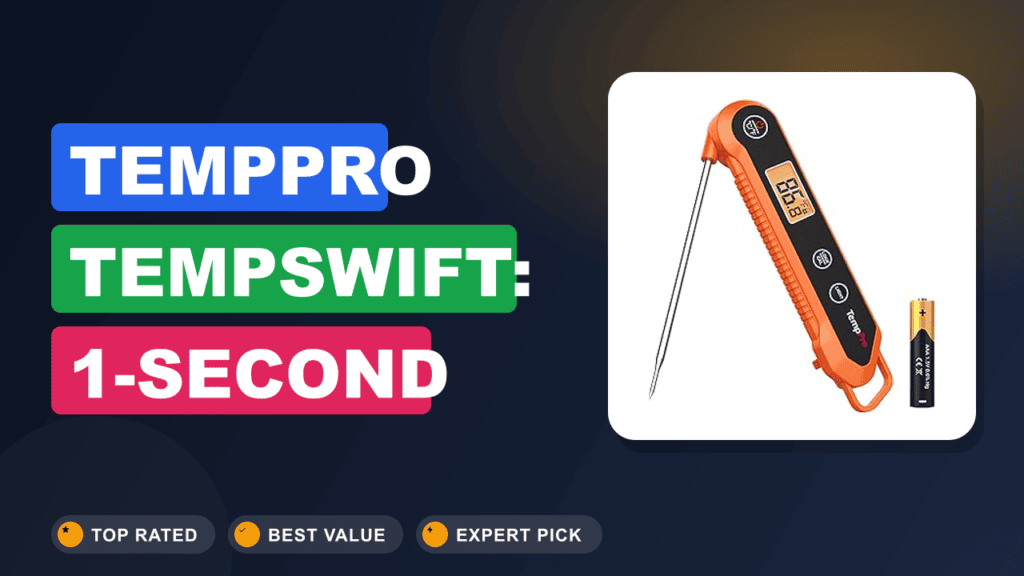
Always rely on a digital meat thermometer rather than just the clock, as the thickness of the fat cap and the specific density of the cut will influence the rate of heat penetration.
Proper Seasoning and Oil Application
Strip steaks have a natural, bold beef flavor, so keep the seasoning simple. Kosher salt and coarse black pepper are the gold standards. Apply the salt generously on all sides, including the thin fat strip on the edge.
You can use a light coating of a high-smoke-point oil, like avocado or grapeseed oil, to help the seasoning adhere and to facilitate heat transfer.
Avoid butter or oils with low smoke points, such as extra virgin olive oil, as they will likely smoke and burn in the intense airflow of the air fryer. Rub the oil into the steak with your hands, making sure to get it into the nooks and crannies of the meat. If you want to use dry herbs like rosemary or thyme, apply them right before the steak goes into the basket so they don't burn to ash during the long cooking cycle.
How to Cook Your Strip Steak Step-by-Step
Cooking a 1-inch strip steak in an air fryer is a straightforward task when you follow a consistent workflow. Start by gathering your tools, which should include your digital meat thermometer, high-heat tongs, and your prepared steak.
- Prep the meat: Remove the steak from the fridge, pat it completely dry, and let it sit at room temperature for 30 minutes.
- Preheat the unit: Set your air fryer to 400°F and let it run for at least 3 minutes.
- Seasoning: Rub the steak with a small amount of avocado oil and season both sides liberally with salt and pepper.
- Placement: Place the steak in the center of the air fryer basket. Ensure it isn't touching the sides to allow for maximum airflow.
- First half: Cook for 4 to 5 minutes, depending on your goal for doneness.
- The flip: Open the basket, flip the steak over, and ensure the fat cap is positioned to render.
- Second half: Cook for another 3 to 6 minutes, checking with a thermometer as you approach the end of the time.
- Resting: Remove the steak from the basket and place it on a warm plate or cutting board. Tent it loosely with foil for 5 to 8 minutes.
Resting is non-negotiable. During the cooking process, the muscle fibers contract and push the juices toward the center of the steak. If you cut into the steak immediately after removing it from the air fryer, those juices will run out onto your cutting board, leaving the meat dry.
Resting allows the fibers to relax and reabsorb the juices, ensuring every bite is moist.
Managing the Air Fryer Environment
The air fryer environment is much more intense than a standard oven. Because it utilizes a powerful fan, it can easily overcook the exterior of the steak before the center reaches your desired temperature. If you find your steak is browning too quickly, you may need to reduce the temperature to 375°F and extend the cooking time by a minute or two.
Airflow is the secret to a great result. Never crowd your air fryer basket. If you are cooking more than one strip steak, ensure they have at least an inch of space between them.
If they are touching, they will steam rather than sear, and you will lose that nice crust you are working toward. If you have a small air fryer, it is better to cook the steaks in separate batches than to overcrowd the basket.
The thickness of the fat cap on a strip steak also requires attention. If the fat cap is very thick, it may not render fully in the short time it takes to cook the lean part of the meat. You can try to stand the steak on its side with the fat cap facing up for the last minute of cooking, using tongs to hold it steady, to help crisp up that layer.
Using a Meat Thermometer Properly
A digital meat thermometer is the most important tool in your kitchen for this task. The USDA recommends cooking raw beef to a minimum internal temperature of 145°F, followed by a rest time of at least three minutes. While many people prefer their steak at medium-rare, which is around 130°F to 135°F, the thermometer is the only way to be certain of what is happening inside the meat.
Insert your thermometer probe into the thickest part of the steak, away from any bone or large pockets of fat. Avoid pushing the probe all the way through to the basket, as this will give you a false reading. Since the steak continues to cook after you take it out of the air fryer, you should pull it when the temperature is about 5 degrees lower than your target.
This is called carry-over cooking, and it is a natural part of the process.
Common Mistakes When Cooking Steak in an Air Fryer
Even experienced cooks can run into issues with air fryer steak. The most common mistake is failing to account for the speed of the machine. An air fryer is not a slow cooker, and it will change the state of the meat very quickly.
- Leaving the steak wet: If you don't pat the steak dry, you will not get a crust, regardless of the temperature.
- Neglecting the preheat: Starting with a cold basket means the steak begins cooking before the air is actually hot, which leads to uneven results.
- Overcrowding the basket: Air circulation is what makes an air fryer work. If the air can't flow around the meat, it won't cook evenly.
- Guessing the doneness: Using a timer instead of a meat thermometer is the fastest way to accidentally overcook a good cut of meat.
- Cutting too soon: If you skip the rest time, you lose all the moisture that makes a strip steak enjoyable.
If you find that your steak is unevenly cooked, it might be due to the shape of your air fryer basket. Some baskets are deeper than others, which affects how far the meat is from the heating element. You may need to adjust your rack position if your air fryer has an adjustable tray, or simply be more diligent about flipping the meat to ensure both sides receive equal exposure to the heating element.
Edge Cases and Adjustments for Steak Thickness
Not every strip steak is exactly 1-inch thick. If you have a thinner cut, perhaps 0.75 inches, you will need to reduce the cooking time significantly. A steak that thin can easily go from rare to well-done in just six minutes total.
Keep a close eye on your thermometer.
For a thicker cut, such as a 1.5-inch steak, you are dealing with a different set of challenges. At that thickness, the center will take much longer to heat up, which increases the risk of the exterior becoming too dark. For thick-cut steaks, use a lower temperature of 375°F for a slightly longer duration.
This allows the heat to penetrate to the center of the meat more gradually without burning the outside.
If your steak is marble-heavy, it might cook slightly differently than a leaner cut. Fat renders at a specific rate, and a well-marbled steak will feel more tender at the same internal temperature as a leaner, tighter-grained steak. Treat these premium cuts with care and err on the side of checking the temperature more frequently.
Frequently Asked Questions
Do I need to flip my strip steak while it cooks?
Yes, flipping is essential. The air fryer heats primarily from the top, so flipping the steak ensures both sides brown evenly. It also helps manage the internal heat distribution so the steak doesn't end up with one side overcooked and the other side raw.
Can I use frozen strip steak in the air fryer?
While you can, it is not recommended for a 1-inch strip steak. Frozen meat will not sear properly, and you will likely end up with a gray, rubbery exterior by the time the center is safe to eat. Always thaw your steak completely and pat it dry before cooking.
What is the best temperature setting for a strip steak?
400°F is the standard for most steaks because it provides the intense heat necessary to create a crust. If you find your steak is browning too fast or if you are working with a thicker piece of meat, dropping the temperature to 375°F is a common adjustment that provides more control.
How do I know if my steak is done without a thermometer?
While some people use the "touch test," where you compare the feel of the steak to the muscle at the base of your thumb, it is not accurate. A digital meat thermometer is the only reliable way to ensure you hit your desired level of doneness. Because steaks vary in thickness and fat content, guessing based on texture or timing often leads to disappointing results.
Is it safe to eat medium-rare steak?
The National Institute of Standards and Technology and various food safety bodies emphasize that reaching proper internal temperatures is the key to safety. While many culinary traditions accept medium-rare beef, you should always be aware that higher internal temperatures are more effective at eliminating surface bacteria. If you are serving individuals who are at higher risk for foodborne illness, the FDA guidelines suggest aiming for a minimum of 145°F.
Why is my steak smoking in the air fryer?
Smoke is usually caused by fat or oil hitting the heating element. Ensure you are not using too much oil on the steak and that the fat trimmings aren't excessive. If the air fryer is particularly dirty, grease buildup from previous meals can also smoke, so ensure the basket and the unit are clean before you start.
The Bottom Line
Achieving a restaurant-quality strip steak in an air fryer is all about controlling the surface moisture and using a thermometer to track the interior. Start with a dry, room-temperature steak, preheat your unit, and flip halfway through the process. Once you reach your target internal temperature, the mandatory rest period will do the final work to ensure your steak is tender and juicy.
By focusing on these fundamentals, you can bypass the need for a grill or a cast-iron skillet while still producing a high-quality meal. Consistency comes from tracking your results, so don't be afraid to adjust your timing slightly as you learn the specific tendencies of your air fryer.