Reheating leftover wings in an air fryer is the best way to get them crispy again without drying out the meat. Most chicken wings take between 5 and 8 minutes at 350°F to reach the perfect temperature and texture. Unlike a microwave, which often makes breaded or skin-on wings soggy and rubbery, the rapid hot air circulation of an air fryer mimics the original frying process.
Whether you have classic buffalo, garlic parmesan, or honey barbecue wings, the goal is to warm the center through while restoring that crunch to the skin. This guide covers exactly how to time your reheat, which temperature settings work best, and how to keep your wings from burning.
Why the air fryer is superior for wings
When you reheat wings in a microwave, the moisture in the meat turns to steam, which gets trapped by the skin. This results in a texture that feels more like steamed chicken than a crispy appetizer. An oven is better but often takes too long to preheat, and the wings can easily dry out during the extended cooking time.
The air fryer bridges this gap because it operates like a powerful convection oven. The fan pushes air directly against the surface of the skin, evaporating excess moisture and crisping up the exterior quickly. Because the cooking chamber is small, it reaches the target temperature almost immediately.
This efficiency means your wings stay juicy on the inside while becoming hot and crispy on the outside in under ten minutes.
Ideal temperature and timing for a perfect reheat
The general rule for reheating wings is a temperature between 350°F and 375°F. If you go too low, the wings spend too much time in the machine and lose their internal moisture. If you go too high, the sauce or breading will char before the meat is warm.
Most air fryers need a quick preheat or a slightly longer cook time if they are cold. Here is a general breakdown of time based on the state of your wings:
| Wing Type | Temp Setting | Cook Time |
|---|---|---|
| Naked / Fried | 350°F | 5 to 6 minutes |
| Breaded / Sauced | 350°F | 6 to 8 minutes |
| From Frozen | 375°F | 12 to 15 minutes |
Keep in mind that these times are estimates. Your specific air fryer model, its wattage, and the amount of food you pack into the basket will change the final outcome. Always check the wings at the 4-minute mark to ensure the sauce isn't burning.
Step-by-step: Reheating wings the right way
Following a consistent process helps you avoid common pitfalls like burnt skin or cold centers. You do not need any special equipment beyond the air fryer itself.
- Bring to room temperature: If possible, let the wings sit on the counter for about 10 minutes before putting them in the basket. Starting with ice-cold meat forces the air fryer to work much harder to warm the center, which often leads to the outside getting too dry.
- Arrange in a single layer: Do not stack the wings. Air needs to circulate around every piece. If the wings are touching or piled on top of each other, the parts that touch will stay soft and soggy.
- Set the temperature: Preheat the air fryer to 350°F. If your model doesn't have a specific preheat button, just let it run empty for 2 minutes.
- The reheat cycle: Place the wings in the basket. Cook them for 3 minutes, then pause the machine and shake the basket or use tongs to flip the wings. This ensures even heating on both sides.
- Check for doneness: Continue cooking for another 2 to 4 minutes. You are looking for bubbling sauce and skin that looks crisp when you press it with a fork.
- The final touch: Remove them immediately. If the sauce has dried out significantly, you can brush on a tiny bit of fresh sauce or toss them in a bowl with a spoonful of melted butter or hot sauce before serving.
Managing saucy wings
Wings that are heavily coated in sticky sauces, like honey BBQ or Korean-style glazes, require more attention than dry-rubbed wings. Sugar in these sauces burns quickly when exposed to high-velocity hot air.
If you are reheating very sticky wings, lower your temperature to 325°F and increase the time slightly to 8 or 9 minutes. The lower heat prevents the sugar from turning into a bitter, blackened crust. If you notice the edges darkening too fast, pull them out immediately.
You can also place a small piece of parchment paper designed for air fryers at the bottom of the basket to make cleanup easier, as sticky sauce can be stubborn to scrub off.
Dealing with frozen wings
If you are reheating wings that have been stored in the freezer, you cannot skip the defrosting step if you want a good result. While you can technically put frozen food straight into an air fryer, the internal temperature will be dangerously low by the time the skin gets hot.
If you are short on time, use your microwave on the defrost setting for 2 minutes to take the chill off. After that, follow the standard air fryer reheat instructions at 375°F for about 10 to 12 minutes. Because the wings have been exposed to moisture during the microwave step, the air fryer will have to work a bit longer to crisp that surface back up.
Common mistakes when reheating
Even with a simple process, a few errors can ruin your leftovers. Here are the most frequent mistakes to watch out for:
- Overcrowding the basket: This is the most common error. When the basket is too full, you essentially turn the air fryer into a steam chamber rather than a crisping machine.
- Using too much oil: Your wings already have rendered fat from the first cook. You rarely need to add more oil for a reheat. Adding extra oil can just result in a greasy, heavy texture.
- Forgetting to flip: Air fryers blow air from the top. If you don't flip the wings, the bottom side will never get as crispy as the top.
- Using a temperature that is too high: Many people think "faster is better," but 400°F will often burn the skin of a wing that is already cooked, leaving the meat inside lukewarm at best.
Safety considerations
According to the United States Department of Agriculture, leftover poultry should be reheated to an internal temperature of 165°F to ensure it is safe to eat. While most wings will reach this internal temp well within the 6-to-8-minute window, it is a good practice to use a digital meat thermometer if you are unsure.
The quality of the leftovers also depends on how you stored them initially. Wings should be stored in an airtight container in the refrigerator and consumed within 3 to 4 days. If the wings have been sitting out at room temperature for more than two hours, they should be discarded regardless of how you plan to reheat them.
Handling different breadings and coatings
The type of coating on your wings changes how they react to the heat. A traditional "naked" fried wing is the most resilient. It handles the air fryer beautifully and rarely loses its texture.
Breaded or floured wings, like those found in many fast-food restaurants, can get very dry if you reheat them for too long. If you notice them drying out, you can spritz them with a tiny amount of water or vegetable oil before putting them in the basket. This tiny bit of surface moisture helps the breading rehydrate slightly without becoming mushy, while the hot air crisps it back up.
For wings with a dry rub, they are arguably the easiest to handle. There is no sauce to burn and no breading to get soggy. You can often get away with a slightly higher heat, around 375°F for 5 minutes, to really drive that crispness home.
Comparing reheating methods
While the air fryer is often the winner, it is worth understanding how it stacks up against other common kitchen tools.
| Method | Speed | Texture Result | Best For |
|---|---|---|---|
| Air Fryer | Fast | Very Crispy | All wing types |
| Oven | Slow | Crisp | Large batches |
| Microwave | Instant | Soft / Rubbery | Quick snacks |
| Skillet | Medium | Uneven | Sticky sauces |
If you are hosting a party and have twenty or thirty wings to reheat, the air fryer might become an inconvenience because you have to work in small batches. In that scenario, the oven is more practical. Spread the wings on a wire rack over a baking sheet and bake at 400°F for about 15 to 20 minutes.
The wire rack allows the air to circulate underneath the wings, which prevents the bottom from getting soggy, mimicking the effect of the air fryer on a larger scale.
Troubleshooting common issues
Sometimes, despite your best efforts, the wings just don't come out right. Here is how to handle the most common issues:
The wings are dry: This happens when you cook them too long or at too high a temperature. In the future, reduce your heat by 25°F and check them a minute or two earlier. You can save dry wings by tossing them in fresh sauce immediately after removing them from the air fryer.
The wings are still cold in the middle: You likely had the basket too full or your temperature was too high, which caused the outside to crisp before the heat could penetrate the bone. Let the wings come to room temperature before you start, and ensure they are spread out in a single layer.
The sauce is burnt: This is almost always a result of too much heat. Sticky, sugary sauces are delicate. If you find your sauce is burning, drop the temperature to 300°F and cook for a longer duration.
It will take more time, but the sugars will caramelize rather than burn.
Frequently asked questions
Do I need to add oil to the wings before reheating?
No, you generally do not need to add oil. Wings are naturally fatty, and that fat will render out again as they heat up, which helps crisp the skin. If the wings look exceptionally dry or were frozen, a very light mist of cooking spray is optional, but it is rarely necessary for a good result.
Can I reheat wings from frozen without thawing?
You can, but the texture is usually worse. When you reheat from frozen, the outside often turns dark before the center is hot enough. If you have the time, let the wings thaw in the refrigerator overnight or on the counter for 30 minutes before using the air fryer.
How do I know when the wings are done?
The best indicator is the sound and look of the skin. It should look vibrant and slightly sizzling. If you want to be precise, use an instant-read meat thermometer to ensure the thickest part of the wing reaches 165°F.
Is it possible to overcook wings in the air fryer?
Yes, and it happens faster than you might think. Once the skin reaches the desired level of crispness, pull the wings out. Leaving them in for an extra minute can turn perfectly juicy meat into something tough and stringy.
Should I put sauce on the wings before or after reheating?
Always reheat the wings first, then toss them in sauce if they need it. If you put sauce on before putting them in the air fryer, the sauce will either burn, dry out, or drip off into the bottom of the basket. If you like the sauce "baked on," toss them for the final 60 seconds of cooking, but watch them closely to avoid charring.
What if I don't have an air fryer?
If you don't have an air fryer, the best alternative is using a conventional oven with a wire rack. Place the wings on the rack and heat them at 400°F until they are hot and crispy. Avoid the microwave if you value the texture of the chicken skin.
Final advice for the best result
The most successful way to reheat wings is to treat the process as a crisping session rather than a cooking session. You are not trying to change the state of the chicken; you are simply returning it to its peak texture. Keep your wings in a single layer, don't rush the temperature, and flip them halfway through.
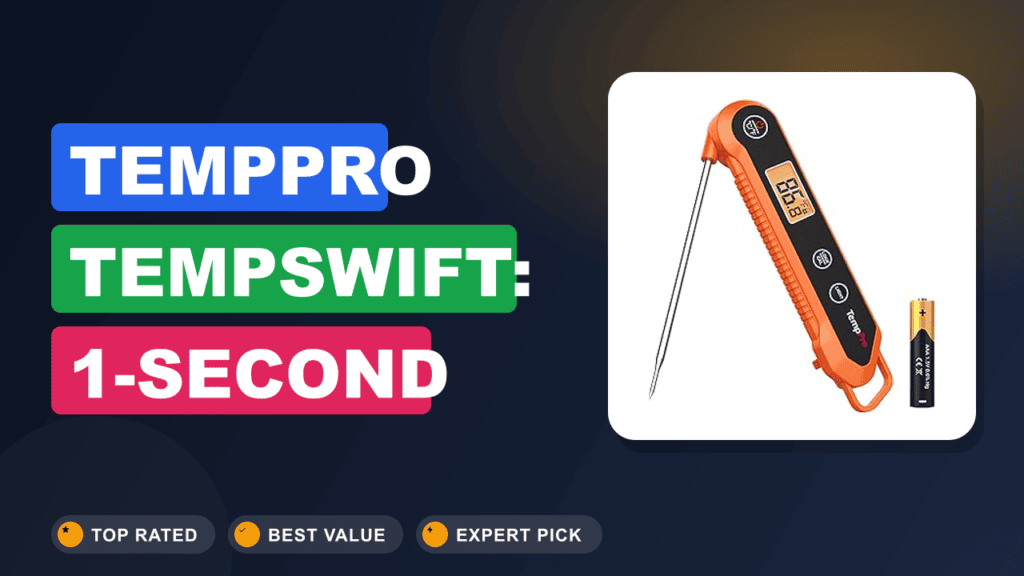
When the skin looks back to its original state, the wings are ready to be served. If you find yourself reheating wings often, keeping a digital thermometer handy will take the guesswork out of the timing and ensure you never serve wings that are cold in the center again. Focus on the texture of the skin, and you will get the best results every time.