You don’t strictly need to preheat an air fryer for every meal, but doing so often makes a noticeable difference in how your food turns out. If you are aiming for a crispy exterior or need to cook something that relies on immediate, high heat to set properly, preheating is a smart move. In general, running your air fryer empty for three to five minutes is all it takes to get the internal temperature where it needs to be.
Whether or not you should bother with this step depends largely on what you are cooking and how much time you have. While an air fryer is essentially a high-powered countertop convection oven, its small chamber heats up much faster than a traditional wall oven. Understanding the mechanics of that heat transfer will help you decide when to wait and when to start cooking immediately.
Why Preheating Matters for Texture and Timing
The primary reason to preheat is consistency. When you place frozen or raw food into a cold air fryer, the appliance begins a ramp-up phase where the air inside gradually rises to your target temperature. During those initial minutes, the food is essentially sitting in lukewarm air, which can lead to soggy results or uneven browning.
By preheating, you ensure the cooking environment is already at the optimal heat, which triggers the Maillard reaction, the chemical process that creates flavor and crispiness, the moment the food touches the basket.
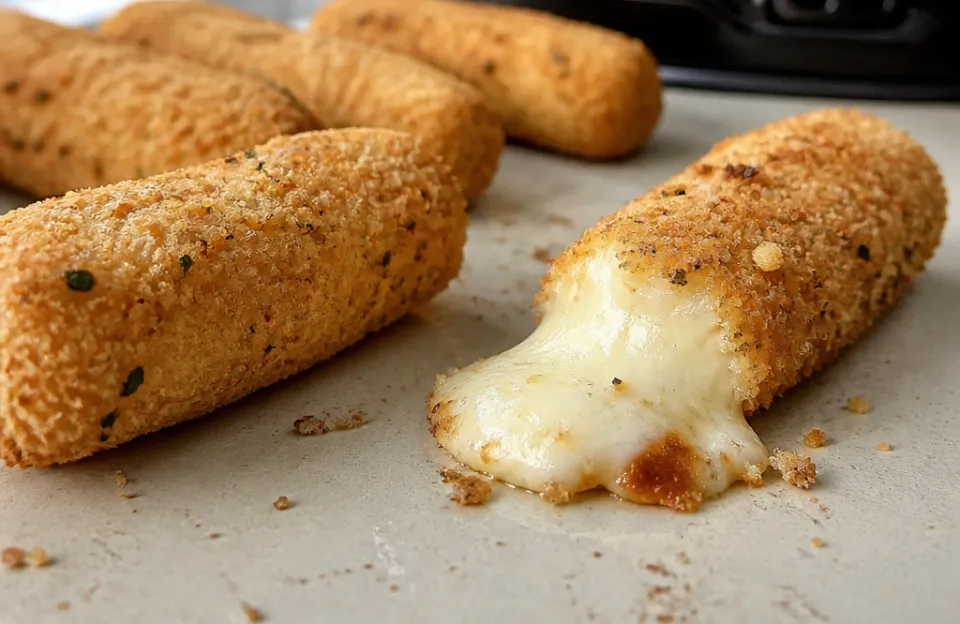
This becomes especially important when you are dealing with moisture-heavy foods or items that need a quick sear. If you are roasting vegetables, preheating ensures the edges get charred rather than steamed. If you are cooking breaded items, it helps the breading crisp up before the heat has a chance to soak into the interior and soften the crust.
Another factor is timing accuracy. Most recipes for air fryers are written with the assumption that the device is already hot. If a recipe says to cook chicken wings for 20 minutes, that clock assumes the appliance is already at temperature.
If you start from a cold state, your food might end up undercooked by the time the timer dings, forcing you to guess how much extra time is needed.
When You Can Skip the Preheat
There are plenty of scenarios where preheating is an unnecessary step. If you are cooking simple, forgiving items like frozen chicken nuggets, fries, or leftovers that you just need to reheat, the preheat cycle won't offer a massive improvement. In these cases, the food is often already pre-cooked or designed to handle the gradual ramp-up in temperature without sacrificing quality.
Another reason to skip it is convenience. One of the main selling points of an air fryer is its speed compared to a full-sized oven. If you are in a rush and need a quick meal, adding five minutes of preheating time might feel like a chore.
If you do skip it, simply add two or three minutes to your total cooking time to account for the initial warm-up. Keep a closer eye on your food toward the end of the process to ensure it reaches your desired level of doneness without burning.
How to Preheat Effectively
If you decide that your dish requires a preheated basket, the process is straightforward. Because air fryers lack the mass of a traditional oven, you don't need a long preheat.
- Turn your air fryer on and set it to the temperature required by your recipe.
- Let it run empty for 3 to 5 minutes.
- Once the time is up, open the basket, add your food, and start your main cooking timer.
Many modern air fryers have a dedicated "Preheat" button. This function automates the process by running the machine for a set time before signaling that it is ready for the food. If your model doesn't have this, use a kitchen timer or just keep an eye on the clock.
You will notice that the air fryer becomes quite hot to the touch during this process, so handle the basket with care when you go to add your ingredients.
Comparing Heat-Up Methods and Needs
To help you decide when to wait, consider the nature of your ingredients. The following table breaks down common air fryer scenarios and whether preheating provides a meaningful benefit.
| Food Category | Is Preheating Necessary? | Reasoning |
|---|---|---|
| Frozen Processed Foods | No | Designed for convenience; heat-up lag doesn't affect results significantly. |
| Raw Proteins (Steak, Wings) | Yes | Requires immediate high heat to sear the surface and seal in juices. |
| Vegetables (Broccoli, Brussels Sprouts) | Yes | Prevents steaming; helps achieve a roasted, crispy texture. |
| Baked Goods (Cookies, Muffins) | Yes | Stable, high heat is needed for a proper rise and set. |
| Reheating Leftovers | No | You are warming, not cooking, so temperature precision is less critical. |
The Role of Airflow and Capacity
The efficiency of your air fryer depends on airflow. An air fryer is a convection device, meaning it relies on a powerful fan to circulate hot air around the food basket. When you preheat the unit, you are not just warming the air; you are also warming the walls of the basket and the rack.
This helps maintain a stable temperature even after you open the drawer to add your food, which inevitably causes some heat loss.
If you have a larger air fryer or one with a thicker metal basket, preheating becomes slightly more important. These units have more thermal mass, meaning they hold onto heat better once they are warm, but they also take a bit longer to reach that initial temperature. Conversely, smaller, lighter baskets reach their target temperature very quickly, sometimes in under two minutes.
Always ensure your air fryer is placed on a heat-resistant surface with plenty of clearance, as the exterior can get quite hot during this cycle, a detail often noted in safety manuals from organizations like the National Institute of Standards and Technology.
Factors That Influence Preheating Times
Your air fryer’s wattage is the biggest factor in how quickly it preheats. High-wattage models (typically 1500 watts and above) can reach 400 degrees Fahrenheit in a very short span. Lower-wattage models may struggle to hit higher temperatures quickly, making a slightly longer preheat cycle more beneficial.
You should also consider your ambient room temperature. If your kitchen is cold, or if the air fryer is sitting near a drafty window, it will naturally take a bit longer for the machine to get up to speed. Conversely, if you have been running the air fryer in batches, the unit will already be hot for your second or third round of food.
In that case, you can skip the preheat entirely for subsequent batches.
Addressing Common Misconceptions
One common myth is that preheating is required to protect the air fryer’s non-stick coating. This is generally false. Most modern air fryers are built to handle the heat of an empty basket for short durations.
The concern is usually about food quality rather than appliance longevity.
Another misconception is that you must always preheat for the same amount of time regardless of the temperature. If you are cooking something low and slow, like dehydrating fruit or warming a pastry, a very short preheat, or even none at all, is sufficient. Save the longer preheat times for high-heat recipes like air-frying wings, which often require temperatures of 375 to 400 degrees Fahrenheit.
Troubleshooting Your Cooking Process
If your food is consistently coming out undercooked or not as crisp as you expected, you might be tempted to blame the air fryer. However, the fix is often simpler. If you aren't preheating, try adding that step for a week to see if it changes the outcome.
Alternatively, you might be overcrowding the basket. Even with a perfect preheat, air cannot circulate if the food is stacked on top of itself. Ensure there is a single layer of food in the basket with enough space for the air to flow between pieces.
If you are cooking a large quantity, work in smaller batches. If you find the top of your food is burning while the bottom remains pale, it’s not a preheating issue; it’s an airflow issue. Try flipping your food halfway through the cooking process.
When You Might Need Professional Guidance
For most users, air frying is a process of trial and error. However, if you are concerned about the technical performance of your unit or suspect it isn't maintaining temperature, consulting the manufacturer's manual is the best first step. They provide specific guidance on how their unique heating element and fan configuration are designed to work.
If you are having recurring issues with the device not turning on or failing to heat up, contact the manufacturer's support line rather than trying to fix the internal wiring yourself.
Frequently Asked Questions
Is it safe to run an air fryer empty?
Yes, it is perfectly safe to run an air fryer empty for the few minutes required to preheat. The internal components are designed to withstand the heat they produce. Just ensure the basket is securely closed so the heat stays inside the chamber.
Can I preheat my air fryer with the rack inside?
You should definitely preheat with the rack inside. The rack itself needs to reach the same temperature as the air. If you put the rack in after preheating, it will act as a heat sink, immediately drawing heat away from your food.
Do all air fryers have a preheat setting?
No, many basic or analog models do not have a specific preheat button. If your model lacks this, simply set the desired temperature and run the machine empty for 3 to 5 minutes before adding your food.
Does preheating use a lot of electricity?
Preheating uses electricity, but because air fryers are small and heat up in just a few minutes, the energy usage is relatively low. It is significantly more efficient than preheating a large conventional oven, which can take 15 to 20 minutes to reach high temperatures.
Will preheating prevent food from sticking?
A hot basket can help prevent food from sticking, but it is not a replacement for oil. If you are cooking lean proteins or items prone to sticking, you should still use a light coating of oil or a piece of parchment paper designed for air fryers.
How do I know if my air fryer has reached the set temperature?
If your air fryer doesn't have a "ready" light, you can rely on the time. Most units reach their target temperature within 5 minutes. If you are still unsure, you can use an infrared thermometer pointed at the interior of the basket, though this is rarely necessary for home cooking.
A Balanced Approach to Air Frying
Finding the right balance for your cooking habits comes down to knowing your equipment. You don't need to overthink the preheat process. Use it when you are cooking items that rely on high, immediate heat for texture, like meats or roasted vegetables.
For everyday snacks or simple reheats, you can jump straight into the cooking process without missing much.
By keeping your basket clean and ensuring your food has room to breathe, you will get the best results regardless of whether you preheated or not. The more you use your air fryer, the better you will get at gauging when that extra five minutes of waiting is worth the effort for the final plate.